
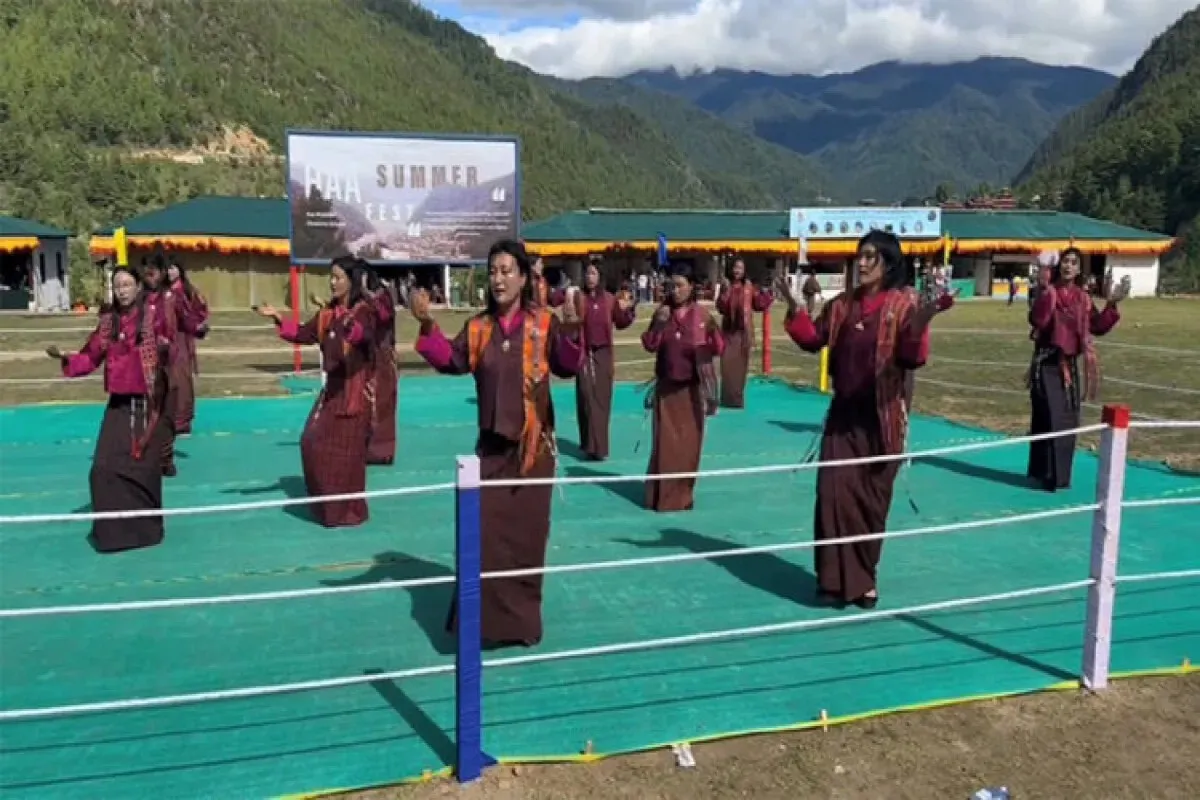
Thimphu Tsechu is one of the biggest festivals in Bhutan. It draws thousands of visitors to the capital every year. In 2027, the festival returns to Tashichho Dzong with sacred mask dances and grand celebrations. This guide covers the exact 2027 dates, the best viewing spots, and the correct dress code. It also explains what to expect at each stage of the event.
What Is Thimphu Tsechu?
Tsechu means tenth day in Dzongkha, the national language of Bhutan. Each tsechu is held on the tenth day of a month in the Bhutanese lunar calendar. The date honors Guru Rinpoche, the saint credited with bringing Buddhism to the Himalayas.
Thimphu Tsechu is the largest and most attended tsechu in the country. It takes place inside the courtyard of Tashichho Dzong, the fortress that also houses the throne room of the King. Locals travel from nearby villages to attend, often dressed in their finest traditional clothing. For many Bhutanese families, the festival is a chance to gather, pray, and gain religious merit.
Thimphu Tsechu 2027 Exact Dates
Based on the current Bhutanese lunar calendar, Thimphu Tsechu 2027 is scheduled for October 10 to October 12, 2027. The festival runs for three full days at Tashichho Dzong in the capital. Tsechu dates are set by senior lamas using the lunar calendar, not the standard solar calendar. This means the exact days can shift slightly as the year gets closer. Bhutan tour operators and the Department of Tourism usually confirm final dates around six months in advance. Travelers planning a trip around the festival should reconfirm the schedule before booking flights or nonrefundable hotels.
A related preparatory event often precedes the main tsechu. The Thimphu Drubchen, a ritual reserved mainly for monks, happens in the days just before the public festival begins. It sets the spiritual tone for the mask dances that follow. This earlier ritual draws far fewer visitors than the main event.
History and Significance of the Festival
Thimphu Tsechu was established in 1670 by Tenzin Rabgye, the fourth temporal ruler of Bhutan. He introduced the festival as a way to spread Buddhist teachings through sacred dance rather than text alone. Over the centuries, it grew into the most important social and religious event in the capital.
The dances performed during the tsechu are called cham. Monks and trained laypeople wear elaborate masks and costumes representing deities, protectors, and historical figures. Each dance tells a story rooted in Buddhist teachings or the life of Guru Rinpoche. Watching a cham is considered an act of spiritual merit, not just entertainment.
Dances to Watch For at Thimphu Tsechu
A few specific cham dances draw special attention from locals and visitors alike. The Dance of the Black Hats, known as Shanag, opens with dramatic drumbeats and dark ceremonial robes. It shows guardian deities driving negative forces away from the festival grounds.
The Dance of the Judgment of the Dead is another highlight during the tsechu. It reenacts a soul facing judgment based on good and bad deeds done in life. Performers dressed as Shinje, the Lord of Death, weigh these deeds using black and white stones.
Near the end of the festival, the Dance of the Eight Manifestations of Guru Rinpoche often appears. Dancers wear costumes representing different forms taken by Guru Rinpoche during his life in the Himalayas. Watching this dance offers useful context before the grand Thongdrel scroll is revealed at dawn.
Day by Day Schedule at Thimphu Tsechu
The three days of Thimphu Tsechu each carry their own rhythm and highlights. Day one opens with formal dances performed by monks from the central monastic body. These early dances set a calm and reverent tone before the crowds grow larger.
Day two usually features livelier dances, including comic interludes performed by atsaras, the festival clowns. Atsaras keep order in the crowd and provide light relief between the more serious rituals. Their jokes and antics are a beloved part of the experience for local families.
Day three is the most important morning of the festival. Before sunrise, monks unfurl a giant sacred scroll called the Thongdrel inside the dzong courtyard. The Thongdrel depicts Guru Rinpoche and is believed to cleanse the sins of anyone who sees it. It is displayed only briefly, then rolled away before direct sunlight touches it. Visitors who want to witness this moment should arrive at the dzong well before dawn.
What Else to Expect at the Festival
Beyond the dances, Thimphu Tsechu carries a lively atmosphere around the dzong grounds. Local vendors set up stalls selling snacks, tea, and small handicrafts near the main entrance. Families often bring young children dressed in miniature versions of the gho and kira.
Each day of dancing typically runs from mid morning until early afternoon, with short breaks between dances. The exact order of dances can shift slightly from year to year, based on decisions made by the monastic body. A printed program, when available, helps visitors follow along and understand what each dance represents.
Crowds are largest on day three because of the Thongdrel unfurling at dawn. Many travelers treat this final morning as the highlight of their entire Bhutan trip. Arriving early, and staying patient with the crowd, makes the whole experience far smoother.
Best Viewing Spots for Thimphu Tsechu 2027
Choosing the right spot inside Tashichho Dzong makes a real difference to the experience. The main courtyard, where the dances take place, offers the most direct view of the cham performances. Seating here fills up fast each morning, especially on the final day. Arriving at least one hour before the first dance begins helps secure a clear line of sight.
Raised platforms and steps along the edges of the courtyard give a slightly elevated view over the crowd. These spots work well for photography, since they avoid having other spectators blocking the frame. Local families often claim these areas early, so patience and politeness go a long way.
For the Thongdrel unfurling on the final day, position matters even more. The scroll is hung on the south wall of the dzong, so spots facing that wall offer the clearest view. Because the ceremony happens at dawn and only lasts a short time, being seated in advance is essential.
Outside the dzong, the Tashichho Dzong Viewpoint gives a wider panoramic view of the fortress. It sits along the road toward Tango Monastery, north of the city. This spot does not show the dances themselves. It is still a popular stop for photos of the dzong before or after the festival. It also gives a sense of how the fortress sits against the Thimphu valley.
Travelers joining an organized Bhutan tour often get reserved seating arranged by their guide. This can be worth considering for the final day, when crowds are at their largest.
Dress Code for Thimphu Tsechu
Bhutanese festivals are religious occasions, not public performances staged for tourists. The dress code reflects that seriousness.
Local men typically wear the gho, a knee length robe tied at the waist. A woven belt called a kera holds it in place. Local women wear the kira, a long wrapped garment paired with a jacket called a toego. Seeing the crowd dressed in these colorful traditional outfits is part of what makes the festival so visually striking.
Tourists are not required to wear a gho or kira, though doing so is welcomed and often appreciated by locals. What matters most is modest and neat clothing. Shoulders and knees should be covered at all times inside the dzong grounds. Long trousers or ankle length skirts work well, paired with a full sleeved top.
Avoid shorts, sleeveless tops, and clothing with large logos or slogans. Bright colors are fine, but overly casual beachwear or gym clothing looks out of place at a sacred event. A light jacket or shawl is useful, since mornings in Thimphu can be cold in October.
Comfortable closed shoes are recommended, since the courtyard has stone flooring and visitors often stand or sit for long stretches. Sunglasses and a hat can help during the brighter midday hours. Sun at this altitude can feel strong even on a cool day.
Photography and Festival Etiquette
Photography is generally allowed during Thimphu Tsechu, but a few rules apply. Flash photography is discouraged near the dancers, since it can distract performers mid ritual. Visitors should avoid stepping onto the dance ground itself, which is considered sacred space. Staying behind ropes or marked boundaries keeps the ceremony undisturbed for everyone.
Pointing feet toward monks, dancers, or shrines is considered disrespectful in Bhutanese culture. Sitting cross legged or with feet tucked away is the polite alternative. Eating or drinking during the dances is also best avoided, particularly during the more solemn rituals.
Donations are welcome at designated offering boxes near the shrines. Handing cash directly to a monk or performer is not the usual custom. If unsure about a specific rule, asking a guide or a local nearby is always appreciated.
Weather and What to Pack for October in Thimphu
October in Thimphu brings clear skies and cool, comfortable weather, making it one of the best months to visit. Daytime temperatures usually range between 15 and 20 degrees Celsius. Mornings can dip closer to 5 degrees Celsius, especially before sunrise on festival days.
Layered clothing works best for this kind of weather swing. A warm jacket for early mornings, a light sweater for midday, and a scarf for the evening cover most conditions. Since dawn viewing of the Thongdrel means standing outside before sunrise, extra warm layers are worth packing.
Comfortable walking shoes are essential, since the dzong grounds involve some standing and walking on uneven stone. A reusable water bottle and sunscreen are also useful for the brighter festival hours.
Getting to Thimphu Tsechu and Where to Stay
Thimphu is reached by road from Paro International Airport, roughly a one hour drive. Most visitors combine the tsechu with a wider Bhutan itinerary that includes Paro, Punakha, and the Taktsang hike.
All tourists visiting Bhutan travel through a licensed Bhutanese tour operator. This operator also arranges the required Sustainable Development Fee. Booking early for the festival period is strongly recommended, since hotels near Thimphu fill up quickly during tsechu week.
Staying within a short drive of Tashichho Dzong makes the early morning Thongdrel viewing much easier to manage. Many hotels in central Thimphu are within ten to fifteen minutes of the festival grounds.
Several attractions near the dzong pair well with a festival visit. The Buddha Dordenma statue overlooks the valley from a nearby hillside. The National Memorial Chorten and the Centenary Farmers Market are both a short drive away. Visitors with an extra day often add these stops before or after the tsechu.
Frequently Asked Questions
Is Thimphu Tsechu Free to Attend?
Watching the festival at Tashichho Dzong does not require a separate ticket for tourists already traveling with a licensed operator. The Sustainable Development Fee covers most costs tied to a Bhutan visit, including access to the festival grounds.
How Long Does Thimphu Tsechu Last?
The main public festival runs for three days at Tashichho Dzong. A shorter preparatory ritual, the Thimphu Drubchen, takes place just before it for monks.
Can Tourists Take Photos During the Dances?
Photography is generally allowed from designated seating areas around the courtyard. Visitors should avoid flash near performers and stay behind marked boundaries during every dance.
What Is the Best Day to Visit If Attending Only Once?
Day three is considered the most significant, because of the Thongdrel unfurling at dawn. Visitors with only one day to spare often choose this final morning.
Do I Need to Book Thimphu Tsechu 2027 in Advance?
Yes, since Bhutan requires travel through a licensed tour operator for all visitors. Hotels and internal transport near Thimphu also sell out quickly during festival week.