
Packing for Bhutan can feel confusing without clear guidance on local dress expectations. Rules differ noticeably between religious sites and everyday town settings. This guide breaks down exactly what women should wear in each situation.
Bhutan blends deep spiritual tradition with a relatively relaxed everyday culture. Understanding this balance helps you pack appropriately without overthinking every outfit. Here is a complete dress code guide for female travelers.
General Dress Expectations in Bhutan
Outside of religious and official sites, Bhutan has no strict clothing requirements. Many Bhutanese people wear Western style clothing in daily life. Jeans, t-shirts, and casual outfits are entirely acceptable in towns.
Modesty still matters as a general guideline throughout the country. Overly revealing or flashy outfits tend to draw unwanted attention. Simple, neat, and comfortable clothing works well for most everyday situations.
Your guide will always inform you in advance of any temple or dzong visits. This gives you time to adjust your outfit accordingly during the day. Planning around this rhythm makes packing significantly easier.
Dress Code for Temples, Dzongs, and Monasteries
Religious and official sites in Bhutan follow noticeably stricter dress standards. These spaces are considered living centers of worship, not simple tourist attractions. Dressing appropriately shows genuine respect for local traditions.
Shorts are not permitted for any visitor, regardless of gender. Skirts or dresses must extend below the knee at minimum. Many guides recommend ankle length skirts for the safest, most respectful option.
Shoulders must always be covered when entering temples or dzongs. Tank tops, strappy tops, and sleeveless shirts are not appropriate here. A collared shirt can have half sleeves, while collarless shirts need full sleeves.
Tight or transparent clothing should also be avoided at religious sites. Even long garments should fit modestly rather than clinging closely. Loose, breathable fabrics tend to work best for both comfort and appropriateness.
Hats and caps must be removed before entering courtyards or interior spaces. Sunglasses are also typically removed as a sign of respect. Your guide will usually prompt you at the appropriate moment.
Shoes are commonly removed before entering a shrine room or temple interior. Packing a pair of clean socks makes this transition much more comfortable. Floors can be cold, especially during cooler months.
What to Pack for Temple Visits Specifically
A few key items make temple visits far easier to navigate. A long skirt or full length trousers should be a packing priority. Choose fabrics that move easily and layer well underneath a jacket.
Bring at least one collared shirt or blouse with sleeves for these visits. A lightweight cardigan or shawl also works well over short sleeved tops. This allows quick coverage without needing a full outfit change.
A simple scarf is genuinely useful throughout your trip. It can cover shoulders, wrap around your head if needed, or add warmth. Many women find this one accessory solves several dress code situations at once.
Comfortable, easy to remove shoes are worth prioritizing for temple heavy days. Slip on shoes saves time and effort when entering and exiting religious buildings repeatedly. Flip flops are generally discouraged at these sacred sites.
Everyday Wear in Towns Like Thimphu and Paro
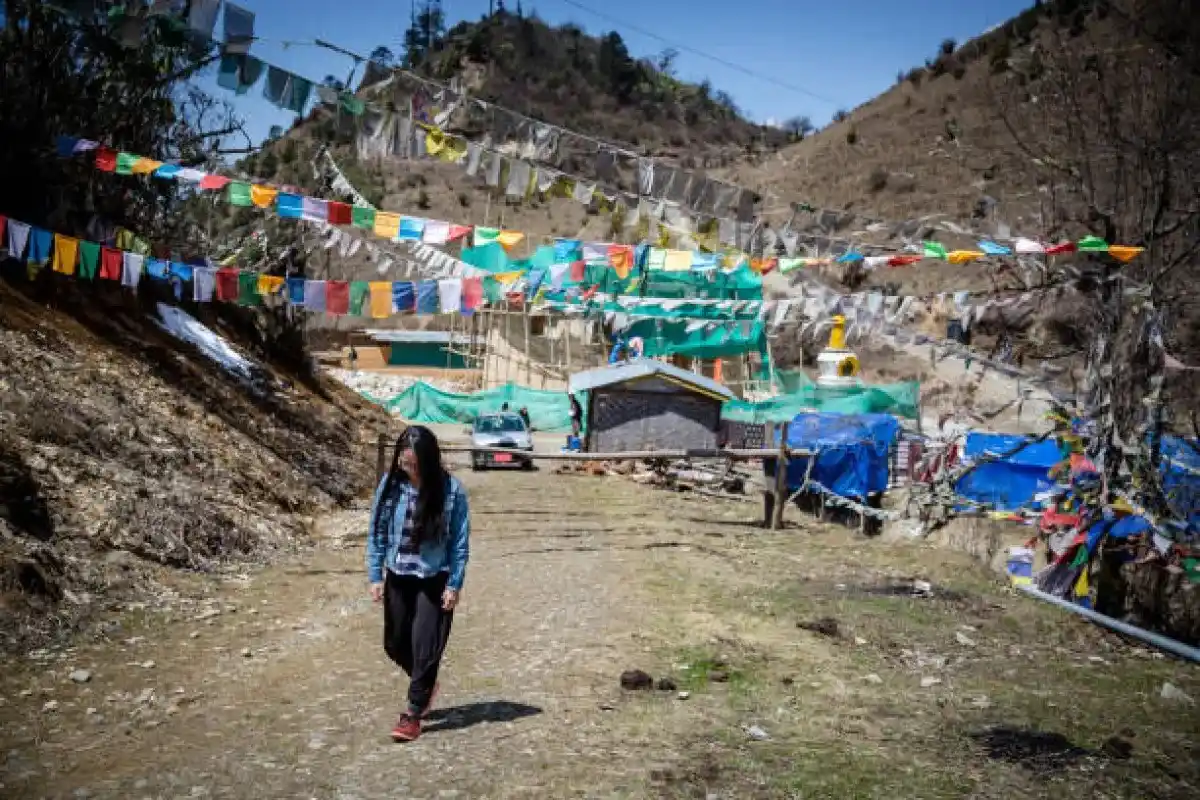
Daily life in Bhutan's towns allows for far more relaxed clothing choices. Comfortable jeans, casual dresses, and layered outfits all work well here. Locals frequently mix traditional and modern clothing throughout the week.
Sturdy, soft soled walking shoes are essential for exploring towns and markets. Streets can involve uneven terrain, hills, and occasional cobblestones. Comfort should take priority over fashion for daily sightseeing.
Bhutan's weather shifts quickly, especially in valleys like Thimphu and Paro. Mornings and evenings tend to be noticeably cooler than midday. Layering remains the most practical approach across nearly every season.
Seasonal Packing Considerations
Spring, running from March through May, brings mild weather and blooming rhododendrons. Light layers work well, with a warmer jacket for cooler mornings. This season remains popular, so pack versatile, easy to layer pieces.
Autumn, spanning September through November, offers clear skies and cooler temperatures. Warmer layers become more important, especially for early morning temple visits. A proper jacket is highly recommended during this period.
Winter, from December through February, brings genuinely cold temperatures across most regions. Down jackets, woolen sweaters, and thermal layers are strongly advised. Hot stone baths become especially appreciated during this chilly season.
Summer months bring monsoon rains and higher humidity to southern regions. Northern areas like Thimphu and Paro stay comparatively milder and drier. A lightweight rain jacket is a smart addition during these months.
Trying the Kira: A Cultural Option
Some tour operators offer the chance to wear a kira during special occasions. This traditional dress consists of a wrapped skirt, blouse, and short jacket. Wearing one is both respectful and often a memorable experience.
You are never required to wear traditional dress as a tourist. However, many women enjoy the opportunity during festivals or cultural visits. Ask your guide if this experience interests you during your trip.
Quick Packing Checklist for Women
Pack one or two long skirts or full length trousers for temple visits. Include several collared or sleeved tops that pair easily with layers. A versatile scarf and lightweight cardigan round out your temple ready essentials.
Add comfortable walking shoes suitable for both towns and light hiking. Bring clean socks for frequent shoe removal at religious sites. Layer seasonal outerwear based on your specific travel months.
Keep flashy, transparent, or overly casual pieces to a minimum overall. Simple, neat clothing consistently works best across nearly every setting in Bhutan. When unsure, modest and comfortable is always the safest choice.
Dressing appropriately in Bhutan is less about strict rules and more about genuine respect. With a few key pieces packed thoughtfully, navigating both temples and towns becomes effortless. Most travelers find the dress code far easier than expected once they arrive.
Frequently Asked Questions
What is the general everyday dress code for women in Bhutanese towns?
Everyday clothing in towns like Thimphu and Paro is relatively relaxed, and modern Western attire like jeans, t-shirts, and casual dresses are widely accepted. However, modesty remains a good guideline, so simple, neat, and non-revealing outfits work best.
What are the specific dress requirements for visiting temples and dzongs?
Religious sites require modest coverage: shorts are forbidden, skirts or dresses must fall below the knee (ankle-length is ideal), and shoulders must be completely covered. Tops with collars can have short sleeves, but collarless tops must have full-length sleeves.
Do female visitors need to remove shoes and accessories at sacred sites?
Yes. Hats, caps, and sunglasses must be removed before entering sacred courtyards or shrine rooms. Shoes must also be removed before stepping inside temples, so packing clean socks is recommended to keep feet warm on cold floors.
What essential items should women pack specifically for temple visits?
Key items include one or two long skirts or full-length trousers, collared or sleeved blouses, a lightweight cardigan or shawl, a versatile scarf for quick shoulder coverage, and easy slip-on shoes paired with clean socks.
What type of footwear is best for a trip to Bhutan?
Sturdy, soft-soled walking shoes are essential for navigating uneven town streets, hills, and cobblestones. For temple-heavy days, comfortable slip-on shoes save time and effort when frequently removing footwear at shrine entrances.
Are foreign women required to wear the traditional Bhutanese kira?
No, female tourists are never required to wear a kira. However, many tour operators offer travelers the opportunity to try one during festivals or cultural visits, which many women enjoy as a memorable cultural experience.
How should women adjust their packing based on the season?
Pack light layers and a jacket for mild spring weather; warmer layers and a proper jacket for autumn; down jackets, sweaters, and thermals for cold winter months; and a lightweight rain jacket for the summer monsoon season.