
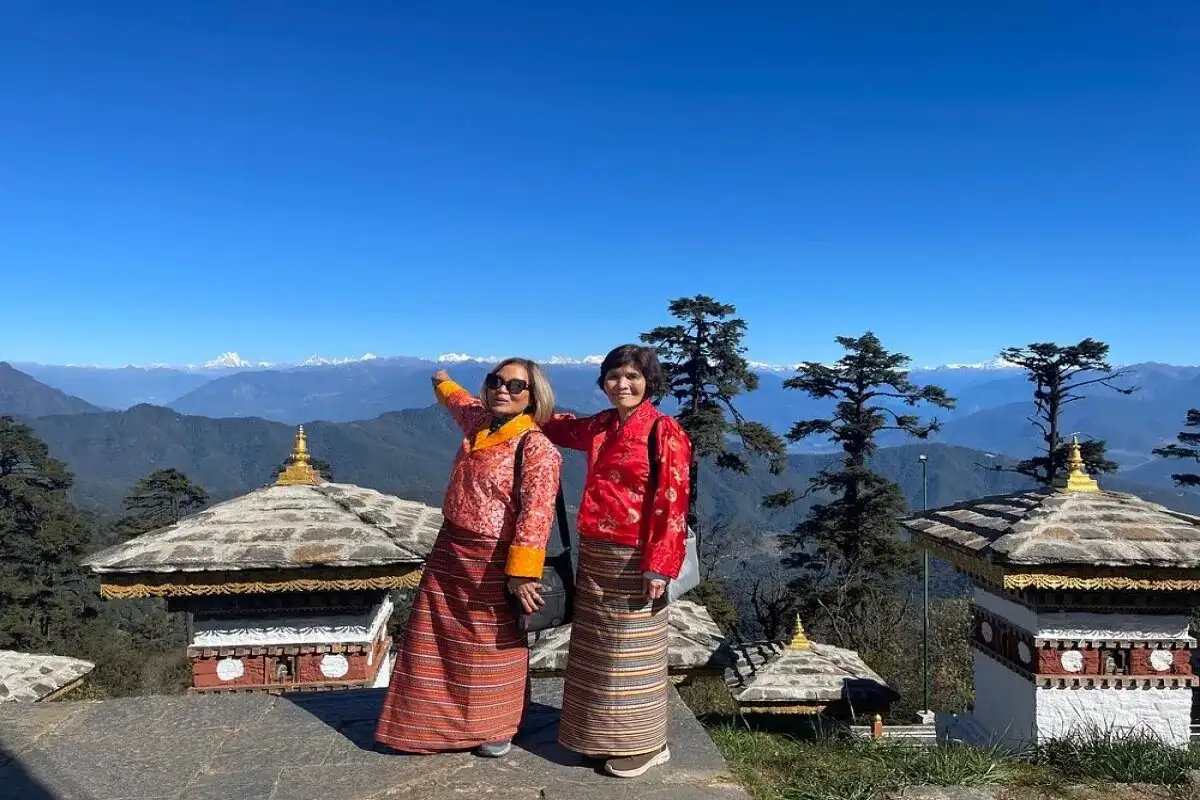
Bhutan is famous for its dramatic monasteries and dzongs perched on cliffs and hillsides. Less known are its nunneries, home to Bhutanese Buddhist nuns called anim. These living communities offer travelers a quieter, deeply personal side of Bhutanese spirituality.
Unlike large monastic institutions built primarily for monks, nunneries in Bhutan feel intimate and human scale. Visiting one offers insight into daily religious life rather than grand architecture alone. This guide introduces the country's most notable nunneries and how to visit them respectfully.
Understanding the Role of Anim in Bhutan
In Bhutan, Buddhist nuns are respectfully called anim, sometimes anglicized as ani. These women dedicate their lives to prayer, study, and meditation within their monastic communities. Many enter as young girls and remain for life.
Historically, nunneries received less institutional support than monasteries for monks. In recent years, that balance has been shifting meaningfully. Organizations like the Bhutan Nuns Foundation now support education and training for nuns nationwide.
This shift reached a major milestone with full Bhikkhuni ordination ceremonies. In 2022, one hundred and forty two nuns received full ordination in Paro. A second historic ceremony followed later, with over two hundred sixty nuns participating.
These ceremonies mark a significant moment for Buddhist nuns across the Himalayan region. For centuries, full ordination access was limited or unavailable to many women. Bhutan has become a notable center for this evolving religious milestone.
Kila Nunnery, Paro
Kila Nunnery is widely considered Bhutan's oldest, dating back to the ninth century. It sits dramatically along a cliff face between Paro and Haa valley. Reaching it typically involves a scenic downhill hike from Chele La Pass.
Around fifty nuns currently live and study at Kila, pursuing higher Buddhist education. The setting feels remote and untouched, without souvenir stalls or large tourist crowds. Small stone and timber structures cling directly to the mountainside.
This is very much a living religious community, not a preserved historical site. Visitors are welcome to explore certain areas respectfully during their visit. Note that winter conditions here can be harsh, so check timing with your guide.
Zilukha Nunnery, Thimphu
Also known as Thangthong Dewachen Nunnery, Zilukha sits just above the capital city. It was founded in 1976 and remains one of Bhutan's most visited nunneries. Around sixty to seventy nuns currently reside there.
The nunnery holds a connection to Thangtong Gyalpo, a renowned Tibetan engineer and lama. He is remembered for building chain link bridges across Bhutan and Tibet centuries ago. His legacy is honored throughout the site.
Zilukha functions as both a spiritual home and an educational institution for young nuns. Many residents are the daughters or sisters of local Bhutanese families. After completing their studies, nuns often dedicate themselves to community service.
Visitors often describe the atmosphere here as calm rather than crowded. Prayer chants and incense fill the courtyard during daily rituals. The nunnery also offers pleasant views over the surrounding Thimphu hills.
Sangchen Dorji Lhendrub Choling, Near Thimphu
Located above Wolakha on the way toward Dochula Pass, this nunnery functions as a Buddhist college. It houses around one hundred twenty resident nuns pursuing formal religious education. The site includes a distinctive ridge top chorten visible from the main road.
Nuns here sometimes generate income by weaving and selling simple bracelets. Purchasing one is a small, meaningful way to support the community directly. This nunnery offers a slightly less visited alternative to Zilukha for interested travelers.
Thangthong Dewachen Dupthop Nunnery, Thimphu
Tucked into a quieter part of the capital, this nunnery often surprises first time visitors. Unlike grand dzongs, it offers a more personal glimpse into everyday spiritual life. Visits here tend to be brief, often lasting around thirty minutes.
Traditional Bhutanese architecture defines the site, with painted windows and whitewashed walls. A peaceful courtyard surrounded by prayer wheels adds to its reflective atmosphere. Visitors frequently hear prayer recitations before even entering the grounds.
This nunnery focuses attention on people rather than monuments or history. For many travelers, that human centered experience becomes the most memorable part of their visit.
What to Expect When Visiting a Nunnery
Nunneries in Bhutan remain active places of worship, not museums for tourists. Daily prayer sessions, chanting, and rituals continue regardless of visitor presence. Witnessing these moments offers a rare, authentic glimpse into monastic routine.
Some nunneries welcome visitors to sit quietly and observe ongoing prayers. Others allow limited interaction, depending on the community's current schedule. Your guide can help clarify what is appropriate at each specific site.
Facilities remain simple at most nunneries, reflecting a life centered on discipline. Do not expect gift shops, cafes, or extensive tourist infrastructure. This simplicity is part of what makes these visits feel genuine.
Etiquette Tips for Visiting Women's Monasteries
Dress modestly when visiting any nunnery, covering shoulders and knees respectfully. This applies to all visitors, regardless of gender. Appropriate dress shows basic respect for an active religious community.
Keep your voice low and movements calm throughout the visit. Since prayer and study continue during your presence, quiet behavior matters. Avoid interrupting nuns who are engaged in ritual or study.
Ask permission before taking photographs of nuns or interior spaces. Some areas may be off limits to visitors entirely. Your guide can help you understand which spaces are open for photography.
Consider a small, respectful donation if the opportunity arises. Many nunneries operate with limited resources compared to larger monasteries. Purchasing handmade items, where offered, is another meaningful way to contribute.
Approach the visit with humility rather than as a simple sightseeing stop. These are homes and workplaces for women who have dedicated their entire lives to practice. Treating the space accordingly makes for a far more meaningful experience.
Visiting a nunnery in Bhutan offers something different from the country's grander landmarks. It reveals a quieter, more personal side of Bhutanese Buddhism, shaped by discipline and devotion. For travelers seeking depth over spectacle, these visits often become the most memorable part of the trip.
Frequently Asked Questions
Who are the anim in Bhutan?
In Bhutan, Buddhist nuns are respectfully called anim. These women dedicate their entire lives to prayer, study, and meditation within intimate monastic communities, with many entering as young girls.
What recent historical milestone did Bhutanese nuns achieve?
In 2022, 142 nuns received full Bhikkhuni ordination in Paro. A second ceremony later ordained over 260 nuns, marking a major shift in a region where full ordination for women was historically limited or unavailable.
Which nunnery is considered the oldest in Bhutan?
Kila Nunnery is considered the oldest in the country, dating back to the ninth century. It is dramatically perched along a cliff face between the Paro and Haa valleys and is accessible via a scenic hike from Chele La Pass.
What makes Zilukha Nunnery in Thimphu special?
Founded in 1976, Zilukha Nunnery honors Thangtong Gyalpo, a famous Tibetan lama and bridge-builder. It functions as a spiritual home and educational center for around seventy nuns, many of whom are from local Bhutanese families.
Where can visitors see a dedicated Buddhist college for nuns?
Sangchen Dorji Lhendrub Choling, located near Thimphu on the way toward Dochula Pass, serves as a formal Buddhist college. It houses around 120 nuns who sometimes weave and sell simple bracelets to directly support their community.
What is the atmosphere like at a Bhutanese nunnery?
Nunneries are deeply personal, active places of worship rather than grand tourist sites. Visitors will experience a calm, reflective environment focused on daily prayer, chanting, and discipline, with very simple community facilities.
What is the proper etiquette when visiting a nunnery?
Visitors of all genders must dress modestly, ensuring their shoulders and knees are covered. You should keep your voice low, avoid interrupting active prayer sessions, ask permission before taking photographs, and consider leaving a small donation.