
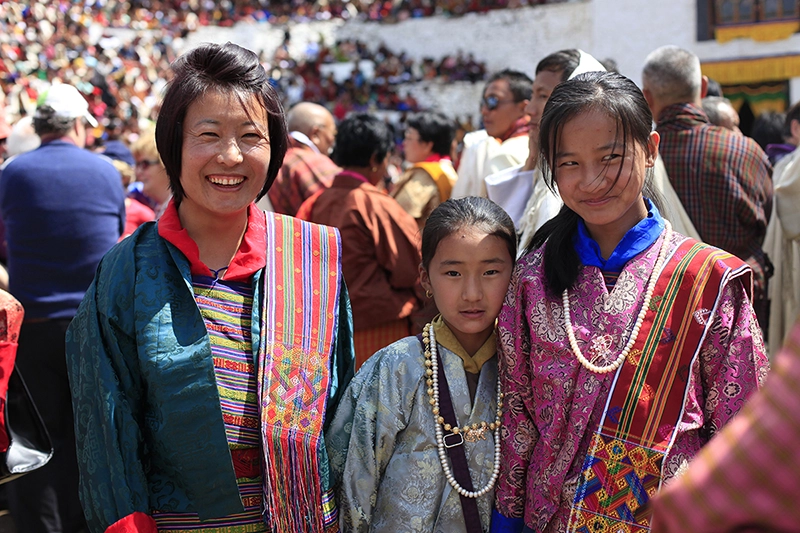
Trashigang is a beautiful district in eastern Bhutan. It hosts a spectacular annual festival every single year. This grand festival is called the Trashigang Tsechu. It stands as a major religious and cultural event. Thousands of devoted people gather to witness this celebration. The festival honors the great Indian saint Guru Rinpoche. He brought Buddhism to Bhutan in the eighth century. Locals believe attending this festival cleanses their many sins. It brings incredible spiritual blessings for the year ahead. Tourists also visit to experience this vibrant mountain culture. The atmosphere is filled with pure joy and devotion. It is truly a remarkable sight to behold.
The Majestic Venue of the Trashigang Dzong
The festival takes place inside the grand Trashigang Dzong. A Dzong is a massive traditional Bhutanese stone fortress. This particular fortress sits high on a steep cliff. It overlooks the powerful and fast flowing Drangme Chhu river. The fortress was successfully built in the seventeenth century. It served as an important regional administrative center. It also defended the region against various Tibetan invasions. Today it remains a vital spiritual and administrative hub. During the festival the inner courtyard transforms completely. It becomes a lively stage for sacred religious performances. Colorful Buddhist banners decorate the ancient white stone walls. Monks chant prayers in the beautifully decorated prayer halls.
The Spiritual Importance of Bhutanese Festivals
The word Tsechu literally translates to the tenth day. These festivals always occur on the tenth lunar day. This specific date follows the complex Bhutanese lunar calendar. Every major district in Bhutan holds its own Tsechu. However the Trashigang Tsechu is particularly famous and unique. It actively unites many remote eastern farming communities. Nomadic tribes from Merak and Sakteng also attend faithfully. These unique nomads bring special traditions to the grand event. The festival acts as a massive regional social gathering. Families happily reunite after very long periods apart. Spiritual devotion blends perfectly with joyful local social celebration. It strengthens the communal bonds of the entire eastern region.
Preparation for the Grand Event
Preparing for the Tsechu requires massive communal effort. Monks rehearse the sacred dances for many long weeks. They must perfect every single complex step and gesture. Mistakes during the dance are considered terrible bad luck. Local village communities also prepare their absolute finest clothes. Artisans spend months repairing the sacred wooden dance masks. Musicians practice their traditional religious instruments every single day. Women weave intricate silk textiles for their extended families. Everyone wants to look their absolute best for this occasion. The entire town buzzes with great excitement and devotion. The preparation is as important as the festival itself.
Understanding the Sacred Cham Dances
The absolute core of the festival is the Cham. Cham refers to the highly traditional sacred masked dances. These special dances are deeply spiritual and highly symbolic. Monks and specially trained laymen perform these ancient dances. They wear colorful silk robes and incredibly heavy masks. The dances depict various important Buddhist teachings and ancient stories. They clearly show the ultimate victory of good over evil. The loud music is hypnotic, rhythmic, and incredibly powerful. Cymbals, drums, and long religious horns provide the steady rhythm. Each physical movement has a very specific spiritual meaning. Viewers watch the amazing performers in complete awe and silence.
The Powerful Black Hat Dance
The Black Hat Dance is highly significant and very ancient. Performers do not wear wooden masks for this specific dance. Instead they wear elaborate and wide brimmed black felt hats. They dress in rich and incredibly colorful heavy silk garments. This specific energetic dance pacifies evil spirits in the area. It creates a highly protected space for the holy festival. The dancers represent powerful and fearless tantric Buddhist yogis. Their stomping feet cleanse the ground of negative energy. This is always one of the very first performances. It prepares the courtyard for further sacred spiritual blessings.
Dance of the Lords of the Cremation Grounds
This fast paced dance is a huge local crowd favorite. Performers wear terrifying white skull masks on their heads. Their tight costumes closely resemble human skeletal body parts. They represent the fierce protectors of the cremation grounds. In Buddhism death is just a transition to another life. It is not something to be feared or hated. These dancers remind the audience of physical human impermanence. They vividly show that all physical life must eventually end. Their movements are surprisingly acrobatic, energetic, and extremely fast. They protect the vulnerable souls of the recently dead. This performance teaches true acceptance of our shared human mortality.
The Dance of the Terrifying Deities
This amazing performance features extremely wrathful and scary masks. The dancers represent angry but highly protective Buddhist deities. Do not misunderstand their terrifying and fierce outer appearance. These specific deities are actually fierce protectors of the holy faith. They use their intense wrath to destroy human ego. They also banish ignorance, greed, and dark evil forces. The heavy masks feature sharp fangs and bulging eyes. The dancers wield symbolic magical weapons in their hands. They cut through difficult spiritual obstacles with these wooden weapons. Watching this highly energetic dance provides great spiritual merit.
Dance of the Eight Manifestations of Guru Rinpoche
This is the most important historical dance of all. It tells the epic life story of Guru Rinpoche. Guru Rinpoche took eight different distinct forms during his life. Each form helped him defeat specific evil local demons. The dancers passionately enact these legendary historical magical battles. Different masks beautifully represent each of the eight forms. Some sacred forms are completely peaceful and very calm. Other forms are highly wrathful, bloody, and extremely frightening. This comprehensive dance takes several long hours to complete. It is a profound spiritual journey for all attending spectators.
The Intricate Art of Sacred Wooden Masks
The masks are the brilliant visual highlight of the festival. Bhutanese artisans carefully carve these masks from local wood. They strongly prefer using tough, durable, and lightweight timber. Carving a proper mask takes immense skill and patience. Only highly trained master craftsmen can create them properly. They must follow strict religious guidelines for facial proportions. Once carved the masks are brightly painted with great care. The vivid colors used have deep and ancient symbolic meanings. Finally a senior lama blesses the finished wooden mask. This vital blessing gives the newly carved mask its spiritual power.
Symbolism of Colors in Bhutanese Masks
Colors play a vital and sacred role in mask design. Red masks usually represent fierce and highly wrathful protective deities. They symbolize raw power, active energy, and protective anger. Blue masks represent vastness, open space, and deep spiritual depth. White masks indicate pure peace, innocence, and ultimate calmness. Yellow masks symbolize wealth, rich prosperity, and spiritual growth. Green masks show active compassion and very swift action. The bright paint is traditionally made from crushed natural pigments. These vivid and bright colors stand out brilliantly in sunlight.
Animal Masks and Their Spiritual Meanings
Many sacred dances feature intricate and beautiful animal masks. You will easily spot stags, birds, and mythical creatures. The beautiful Dance of the Stags is very highly popular. The stag beautifully represents the taming of wild nature. Birds closely symbolize swift messengers between earth and heaven. Mythical white snow lions represent absolute fearlessness and pure joy. Garudas are powerful bird like creatures from ancient mythology. They powerfully symbolize the complete destruction of human jealousy. Animal masks deeply connect the natural and spiritual worlds. They remind all humans to respect every living being.
The Vital Role of the Atsaras
You absolutely cannot discuss Tsechus without mentioning the Atsaras. Atsaras are the highly entertaining traditional clowns of the festival. They wear highly distinctive bright red wooden carved masks. These masks have long noses and exaggerated funny features. Atsaras often carry wooden phalluses to give special blessings. They joke constantly with the crowd and the dancers. Their wild behavior might seem highly inappropriate to foreign outsiders. However they hold a very sacred and vital religious role. They represent highly advanced and fully enlightened ancient spiritual masters. They show that true enlightenment transcends rigid social rules.
Keepers of Order and Bringers of Joy
Atsaras actively help maintain order during the busy festival. They gently keep the massive crowds back from the dancers. They quickly fix the heavy costumes of the performers. If a tired dancer forgets a step they offer help. They mock human vanity and fragile ego continuously. Their clever jokes bring much laughter to serious religious ceremonies. This joyous laughter balances the heavy spiritual festival atmosphere. Atsaras remind people not to take normal life too seriously. They bless people by gently tapping them on the head. Everyone loves receiving a lucky blessing from an Atsara.
The Nomads of Merak and Sakteng
The Trashigang Tsechu attracts very unique and special visitors. Nomads from Merak and Sakteng attend every single year. These highland regions are extremely remote and highly elevated. The fascinating nomads are locally known as the Brokpa people. They wear completely different traditional clothing made of thick wool. Their unique hats are made of twisted black yak hair. These hats feature distinct spider like protruding fuzzy legs. Their arrival adds immense color and life to the festival. It highly highlights the vast cultural diversity of eastern Bhutan.
A Time for Trade and Regional Connection
For the nomadic Brokpas the festival is crucially important. It is definitely not just about deep spiritual devotion. It is also a very major regional trading opportunity. They bring high quality yak butter and cheese to sell. In return they buy rice and basic valley goods. They happily interact with people from the lower river valleys. The Tsechu effectively bridges geographical and cultural mountain gaps. Old friendships are warmly renewed over cups of hot butter tea. This vital social interaction strengthens the entire eastern region. It builds a very strong sense of deep national unity.
Traditional Dress at the Tsechu
Bhutanese people dress their absolute best for the Tsechu. Traditional clothing is strictly mandatory for entering the Dzong. Men wear a comfortable knee length garment called a Gho. Women wear an elegant ankle length dress called a Kira. These fine garments are woven with highly intricate patterns. Eastern Bhutan is incredibly famous for its exceptional weaving. The local fabrics feature bright silks and raw spun cotton. Wearing fine clothes is a vital sign of respect. It shows deep devotion to Guru Rinpoche and the deities.
The Importance of the Kabney and Rachu
Traditional accessories are just as important as the woven clothes. Men must wear a long silk scarf called a Kabney. The specific color of the Kabney indicates formal social rank. Ordinary male citizens wear a simple pure white Kabney. Women wear a beautifully woven patterned cloth called a Rachu. The Rachu is draped gracefully over the left shoulder. These specific items show deep respect for holy sacred spaces. Foreign visitors must also follow strict local dress codes. Showing respect for local customs is always highly appreciated.
The Hypnotic Sounds of the Festival Music
The traditional music of the Tsechu is completely unique. There are absolutely no modern electronic instruments used here. Monks play large traditional circular drums using curved wooden beaters. They crash large heavy brass cymbals to set the pace. Long beautiful copper horns produce deep echoing and powerful sounds. Short wooden flutes add high beautiful and piercing melodic sounds. The rhythmic chanting of monks blends with the loud instruments. This creates a mesmerizing highly meditative and magical soundscape. The music safely guides the complex footwork of the dancers. It perfectly elevates the spiritual energy of the entire courtyard.
The Symbolism of Ritual Instruments
Every single instrument holds a deep and ancient spiritual meaning. The large drums represent the powerful voice of the Buddhist teachings. Beating the drum awakens sleeping minds from deep worldly ignorance. The brass cymbals represent the ultimate purity of spiritual emptiness. Their sharp crashing sound cuts through useless human mental distractions. The long horns mimic the deep sounds of angry protective deities. These sounds scare away wandering ghosts and negative evil spirits. The sweet flutes represent the joyful voices of heavenly angels. Together they create a perfect balance of fierce and peaceful energy.
Experiencing Local Bhutanese Festival Cuisine
Delicious food is a major part of the grand celebration. Families bring large packed lunches to the crowded Dzong courtyard. They sit together and share warm meals between dance performances. Nutritious red rice is a vital staple food in Bhutan. Ema Datshi is the very famous and beloved national dish. It mostly consists of spicy chili peppers and local cheese. Rich pork and savory beef dishes are also very common. Sweet hot milk tea is served continuously throughout the day. Sharing good food brings the local community much closer together.
The Importance of Local Textile Weaving
Eastern Bhutan is widely celebrated for its amazing textile arts. Women spend countless long winter hours weaving beautiful complex patterns. They use natural dyes extracted from local mountain plants. These colorful textiles are worn proudly during the religious festival. Weaving is a highly respected and sacred art form here. Mothers pass these precious weaving skills down to their young daughters. Every family displays their best woven garments at the Tsechu. It creates a stunning visual ocean of bright moving colors. The festival celebrates both spiritual devotion and local artistic mastery.
The Role of the Head Lama
The Head Lama oversees the entire complex religious festival procedure. He is the most senior and respected spiritual teacher present. He sits on a highly decorated wooden throne during the dances. He blesses all the performers before they enter the courtyard. The Lama holds a small brass bell and a thunderbolt scepter. The bell beautifully represents deep spiritual wisdom and feminine energy. The scepter powerfully represents skillful action and strong masculine energy. His continuous prayers keep the spiritual energy of the space pure. The crowd bows to him to receive his valuable holy blessings.
Preparing the Sacred Altar Offerings
Monks carefully prepare beautiful offerings for the main temple altar. They create highly intricate sculptures using colored butter and roasted flour. These specific sculptures are locally called Torma in the Bhutanese language. The Torma take many days of intense focus to build properly. They are offered to the protective deities during the long ceremonies. Monks also offer bowls of pure water and sweet incense. The sweet incense smoke carries their prayers up to the heavens. Lighting butter lamps is another very important daily festival ritual. The bright warm light represents the dispelling of dark spiritual ignorance.
The Unfurling of the Great Sacred Thongdrol
The final concluding day of the festival is deeply emotional. The most sacred event happens long before actual sunrise. Monks carefully unfurl a giant religious scroll called a Thongdrol. This massive silk applique textile covers a whole building wall. It features a giant beautiful image of Guru Rinpoche. Simply viewing this huge Thongdrol cleanses all human worldly sins. People wait patiently in lines to receive its powerful blessing. The atmosphere is incredibly quiet and highly deeply reverent. It is the absolute spiritual climax of the entire festival.
A Sacred Race Against the Morning Sun
The delicate Thongdrol must not see the direct harsh sunlight. Monks roll it back up rapidly before dawn completely breaks. This strict tradition protects the ancient fragile and colorful silk threads. It also successfully adds a layer of deep spiritual mystery. Witnessing this incredibly brief display is considered very highly lucky. Many emotional locals cry tears of pure joy during this time. The brief viewing reminds people of physical and spiritual impermanence. The memory of the magnificent Thongdrol sustains them all year. It is a profoundly moving emotional experience for everyone present.
The Impact of Weather on the Festival
The mountain weather in November can be quite cold and unpredictable. However the devoted local people never let this stop their celebration. They wear heavy woven wool layers to stay warm outside. If light rain falls they consider it a highly lucky blessing. Rain represents the washing away of bad luck and human sins. The bright morning sun eventually warms the cold stone courtyard. The changing weather adds a very dramatic natural element to the event. The steep surrounding mountains look incredibly majestic against the cloudy sky. Nature and religion blend together perfectly in this high altitude valley.
The Economic Impact on the Trashigang District
The busy Tsechu greatly benefits the local district economy. Small regional businesses experience their busiest sales week of the year. Local hotels and cozy guesthouses are booked many months in advance. Local hardworking farmers sell their fresh produce very quickly. Handicraft vendors sell beautiful woven textiles and carved wooden souvenirs. Local transport services see a massive increase in paying customers. The religious festival provides vital income for many rural families. This great economic boost helps sustain many remote eastern villages. It clearly shows how culture can actively support economic survival.
Essential Guidelines for Tourists and Foreign Visitors
Attending the Trashigang Tsechu is a very great privilege. Tourists must be deeply and constantly respectful of local traditions. Never use bright flash photography during the sacred religious dances. Do not talk loudly during quiet and serious religious rituals. Always ask polite permission before photographing any local elderly people. Dress modestly and strictly follow your official tour guide instructions. Do not cross the sacred dance area under any circumstances. Respect the funny Atsaras if they interact with you playfully. Your highly respectful behavior ensures you are always totally welcome.
Why Choose Trashigang Over Paro or Thimphu
Thimphu and Paro host very beautiful and famous Tsechus. However those western festivals get extremely crowded with many tourists. Trashigang offers a much more authentic and quiet local experience. It takes several long days to drive to eastern Bhutan. This difficult long journey keeps heavy mass tourism far away. You will definitely be surrounded mostly by friendly rural locals. The spiritual energy is raw, pure, and very deeply authentic. It is the absolutely perfect choice for adventurous cultural travelers. You will witness the true beating heart of Bhutanese tradition.
The Crucial Role of Monks in the Community
Devoted monks are the true guardians of this sacred festival. They dedicate their entire peaceful lives to deep spiritual practice. Preparing for the Tsechu is a serious act of meditation. They definitely do not dance for worldly entertainment or money. They dance passionately to bring spiritual liberation to all beings. Their mental discipline and physical stamina are absolutely completely incredible. The grateful community supports these monks with daily food and donations. This clearly creates a beautiful cycle of mutual religious support. The sacred monastery and the local village depend on each other.
Preserving the Cultural Heritage of Eastern Bhutan
Rapid modernization is slowly changing daily life in beautiful Bhutan. However the Tsechu remains a very powerful and vital cultural anchor. It actively teaches ancient spiritual values to the younger generation. Small children watch the dances and learn their rich history. They clearly see the extreme importance of community and deep respect. The royal government actively supports the preservation of these amazing festivals. Local schools close completely so eager students can attend the event. This ensures the precious traditions will survive for centuries more. The Trashigang Tsechu is a living and vibrant historical museum.
The Architecture of the Sacred Trashigang Dzong
The physical structure of the Dzong is truly an architectural marvel. It was built without using a single iron nail anywhere. Highly skilled carpenters used complex interlocking wooden joints instead. The massive thick stone walls slant slightly inward for great stability. This brilliant ancient design technique protects against severe Himalayan earthquakes. The central tower is called the Utse in the local language. It houses the most sacred and important religious shrines and relics. The wooden windows are carved with beautiful traditional floral motifs. Walking through the Dzong feels like stepping back in time.
The Meaning of Sacred Hand Gestures
Dancers use very specific hand gestures during their energetic performances. These highly symbolic gestures are known as sacred mudras. Each mudra conveys a very specific meaning or spiritual teaching. One gesture might symbolize the giving of endless spiritual compassion. Another gesture might represent the total destruction of human ignorance. Monks study these precise hand movements for many long years. A dancer must execute each mudra with total mental focus. The crowd watches these hands closely to receive the blessings. It is a completely silent but very powerful spiritual language.
FAQs
1. What is the Trashigang Tsechu and where does it take place?
The Trashigang Tsechu is a major annual religious and cultural festival in eastern Bhutan that honors Guru Rinpoche, who brought Buddhism to the country in the eighth century. It takes place inside the grand Trashigang Dzong, a historic stone fortress built in the seventeenth century that sits high on a steep cliff overlooking the fast-flowing Drangme Chhu river.
2. Who are the Brokpa people, and why are they significant to the festival?
The Brokpa are nomadic tribes from the remote, high-elevation regions of Merak and Sakteng who attend the Tsechu every year. They are easily recognized by their distinct thick wool clothing and unique hats made of twisted black yak hair featuring spider-like protruding fuzzy legs. Their presence adds vibrant color to the event and highlights the cultural diversity of eastern Bhutan, while also serving as a major regional trading opportunity.
3. What are Cham dances, and what role do they play in the celebration?
Cham refers to traditional sacred masked dances performed by monks and specially trained laymen wearing colorful silk robes and heavy wooden or felt masks. These dances depict important Buddhist teachings, such as the ultimate victory of good over evil, human impermanence, and the epic life story of Guru Rinpoche through performances like the Black Hat Dance and the Dance of the Eight Manifestations.
4. What is the purpose of the Atsaras during the festival?
Atsaras are the traditional festival clowns who wear bright red carved wooden masks with long noses and exaggerated features. Although their playful and humorous behavior provides comic relief to balance the heavy spiritual atmosphere, they hold a sacred role representing fully enlightened ancient masters. They help maintain order, assist performers, and bless attendees by gently tapping them on the head.
5. What is the significance of the Great Thongdrol ceremony?
The Thongdrol is a massive silk applique religious scroll featuring an image of Guru Rinpoche that serves as the spiritual climax of the festival. It is unfurled on the final morning before sunrise, as simply viewing it is believed to cleanse all human worldly sins. Because the delicate silk cannot be exposed to direct harsh sunlight, monks rapidly roll it back up before dawn breaks.
Final Thoughts
The Trashigang Tsechu is definitely not just a simple event. It is a profound and life changing spiritual and cultural experience. The sacred painted masks perfectly hide the faces of mortal men. They clearly reveal the true faces of powerful divine forces. The highly energetic dances tell brilliant stories of profound ancient wisdom. The beautifully vibrant colors paint a picture of deeply enduring faith. Visiting this magical festival changes your perspective on daily life entirely. You will leave with a deeper understanding of true human devotion. The rich blessings of Trashigang will positively stay with you forever.