
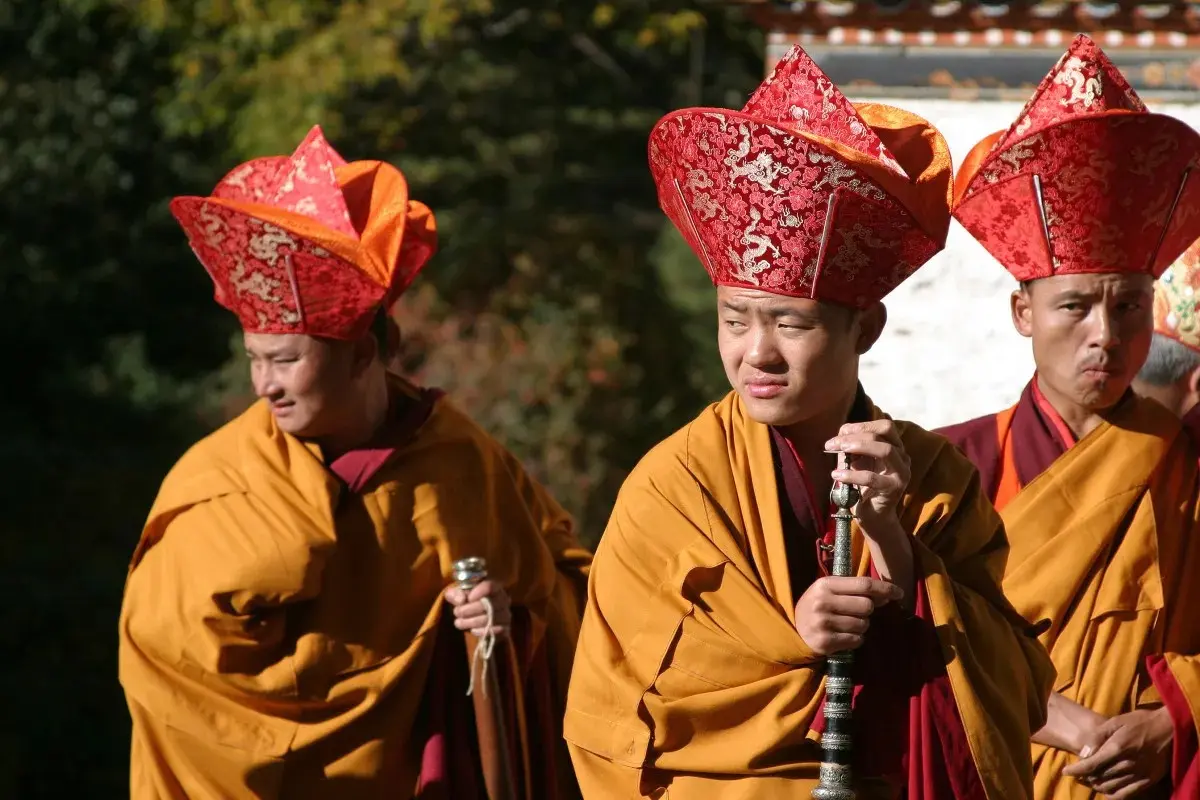
Mongar Tsechu is one of the most authentic festivals in Bhutan. Unlike Paro or Thimphu, this eastern celebration rarely appears on typical tourist routes. Held inside the courtyard of Mongar Dzong, the festival stays largely local. Few outside visitors make the long journey east to attend. That distance, though inconvenient, is exactly what keeps the festival so genuine. This guide explains the history of Mongar Tsechu, its rituals, and why crowds remain small. It also covers practical tips for travelers who want to experience it firsthand.
Quick Facts About Mongar Tsechu
- Location: Mongar Dzong, Mongar town, eastern Bhutan
- Origin: Present dzong built in 1930 by the Second King, Jigme Wangchuck
- Duration: Three days, following the Bhutanese lunar calendar
- 2026 dates: November 17 through 19 (subject to confirmation)
- Signature moment: Unfurling of the Guru Tshengye Thongdrel
- Best for: Travelers seeking authentic culture and fewer crowds
What Is Mongar Tsechu
Mongar Tsechu is an annual religious festival held in eastern Bhutan. Like other tsechus, it honors Guru Rinpoche, who brought Buddhism to the region. The festival takes place in the courtyard of Mongar Dzong. Monks and local performers present a series of sacred mask dances. Villagers travel from Trashigang, Trashiyangtse, and Lhuentse to attend. For many, the festival marks one of the most important events of the year. It offers blessings, community bonding, and a break from daily farm work.
The People and Culture of Mongar
Mongar district borders Bumthang, Lhuentse, Pemagatshel, and Trashigang. The landscape ranges from low subtropical valleys to high alpine ridges. Two main groups, the Tshanglas and the Kurtoeps, call this region home. They speak distinct languages known as Tshanglakha and Kurtoepkha. Mongar is especially known for fine wood carving and traditional craftsmanship. This deep local culture shapes every part of the tsechu experience. Visitors often notice details found nowhere else in Bhutan.
The History Behind Mongar Tsechu
From Zhongar to Mongar
The story of Mongar begins with an older fortress called Zhongar Dzong. Built in the 17th century, Zhongar Dzong once stood on a nearby hill. Local rulers known as Dzongpons governed the eastern region from this stronghold. The area was considered a powerful force in eastern Bhutan at the time. In the late 19th century, fire and a major earthquake destroyed the fortress. Ruins of Zhongar Dzong can still be seen near Lingmethang today.
The Legend of the Master Architect
Local legend adds mystery to the story of Zhongar Dzong. A master architect named Zochhen Bala is said to have built the fortress. According to legend, the ruling king had him killed afterward. This was meant to prevent an equal fortress from being built elsewhere. Before dying, Bala is said to have cursed the dzong. Locals link this curse to the fire and earthquake that followed centuries later.
The Present Mongar Dzong
In 1930, the Second King of Bhutan, Jigme Wangchuck, built a new dzong. This structure replaced the ruined Zhongar Dzong as the regional center. Builders used only wood, stone, and clay, without a single nail. The central tower still contains relics carried over from the original fortress. Today, Mongar Dzong serves as both an administrative and religious hub. Every year, its courtyard becomes the stage for Mongar Tsechu.
Why Mongar Tsechu Has the Smallest Crowds
Several factors combine to keep Mongar Tsechu one of the least crowded festivals in Bhutan. Geography, infrastructure, and tourism habits all play a role. Understanding these reasons helps explain what makes the festival feel so different.
Distance From the Main Tourist Circuit
Most Bhutan itineraries focus on Paro, Thimphu, Punakha, and Bumthang. These four destinations form what many call the western tourist circuit. Mongar sits far beyond this circuit, deep in eastern Bhutan. Reaching it requires extra days that many short trips simply do not allow. As a result, most travelers never make it this far east.
Limited Flight and Road Access
Bhutan has only one international airport, located in Paro. From there, reaching Mongar means a long drive or a domestic flight. The road from Bumthang crosses Thrumshing La, the highest pass in the country. This journey alone can take a full day of travel. Weather and landslides can add further delays during certain seasons.
Fewer Marketed Tour Packages
Tour operators tend to promote festivals that are easier to reach and sell. Paro Tsechu and Thimphu Tshechu dominate marketing materials and travel guides. Mongar Tsechu receives far less attention in mainstream Bhutan travel promotion. Many travelers simply do not know this festival exists until later. This lack of visibility naturally limits how many people attend.
A Legacy of High Value, Low Volume Tourism
Bhutan has long followed a tourism model built around limited visitor numbers. For years, this approach kept overall tourist volume low nationwide. Eastern districts received even fewer visitors than the popular western sites. Even as national tourism grows, eastern Bhutan still lags behind in numbers. Mongar benefits from this gap by staying quiet and uncrowded.
Infrastructure Still Catching Up
Compared to Paro or Thimphu, Mongar offers fewer large hotels and resorts. Accommodation options remain smaller and more modest across the region. This keeps group sizes naturally limited during festival season. Many travelers who do visit describe the experience as refreshingly personal. The absence of big infrastructure is part of the appeal for some.
Rituals and Highlights of Mongar Tsechu
Indigenous Mask Dances
Mongar Tsechu features mask dances unique to the eastern region of Bhutan. Many of these dances differ from those performed in Paro or Thimphu. Performers wear elaborate costumes representing deities, protectors, and historical figures. Each dance carries symbolic meaning tied to Buddhist teaching and local legend. Watching these dances offers insight into traditions rarely seen by outsiders.
The Guru Tshengye Thongdrel
One of the most anticipated moments is the unfurling of a giant Thongdrel. This applique image depicts the Guru Tshengye, or eight manifestations of Guru Rinpoche. The Thongdrel is displayed only briefly, usually at dawn on the final day. Bhutanese believe simply viewing it can cleanse sins and bring blessings. Crowds gather early to receive this rare spiritual moment.
Community Participation
Unlike larger festivals dominated by monastic performers, Mongar feels community driven. Local villagers take an active role in organizing and performing. Families dress in their finest clothing and gather as extended communities. Vendors sell local produce, textiles, and snacks around the dzong courtyard. The atmosphere feels closer to a village gathering than a staged event.
What Makes Mongar Tsechu Worth the Journey
Smaller crowds mean visitors can stand close to the dancers themselves. There is little pushing or competing for space along the courtyard edges. Interactions with local families and monks tend to feel more personal. Photographers benefit from cleaner sightlines and fewer obstructed shots. The overall pace of the festival feels slower and more reflective. For travelers seeking authenticity over spectacle, Mongar delivers a rare experience.
Photography Tips for Mongar Tsechu
Preparing for the Shoot
Bring a versatile zoom lens, since space in the courtyard can be tight. A camera with strong low light performance helps during early morning ceremonies. Extra batteries are essential, since charging options are limited in eastern Bhutan. Pack a lens cloth, since dust is common on mountain roads. Comfortable shoes matter, since you may stand for long stretches.
Capturing the Moment
Because crowds stay small, you can shoot from multiple angles with ease. Arrive early to photograph the dzong before the courtyard fills. Focus on facial expressions of elders watching the dances closely. The unfurling of the Thongdrel offers a dramatic wide angle shot. Always ask permission before photographing monks or performers up close. Avoid flash near murals or inside temple shrine rooms.
How to Get to Mongar
Travelers typically fly into Paro before continuing on to eastern Bhutan. From Paro, some choose a domestic flight toward Yongphulla or Bumthang airport. Others prefer the scenic overland route through central Bhutan. The drive from Bumthang to Mongar passes through Ura valley and Thrumshing La. Expect winding mountain roads, dramatic viewpoints, and several hours of travel. Hiring a licensed local guide is required for all international visitors.
Best Time to Visit and Festival Dates
Mongar Tsechu follows the Bhutanese lunar calendar, so dates shift yearly. It typically falls in November, sometimes stretching into early December. In 2026, the festival is expected to run from November 17 through 19. Always confirm exact dates with the Tourism Council of Bhutan beforehand. Autumn offers clear skies, cool temperatures, and excellent mountain visibility.
Travel Tips for Visiting Mongar Tsechu
Pack warm layers, since eastern Bhutan turns cold quickly in November. Bring motion sickness remedies, since mountain roads involve constant winding turns. Book accommodation early, as options in Mongar remain limited compared to western towns. Carry cash, since card payment options are limited in smaller eastern towns. Respect local customs by dressing modestly and behaving quietly during rituals. Arrive early on festival days to secure a good viewing spot.
Nearby Attractions in Eastern Bhutan
A trip to Mongar pairs well with visits to nearby Trashigang and Lhuentse. Trashigang Dzong sits dramatically above the Gamri River, offering striking views. Lhuentse is known for Kishuthara weaving, among the finest textiles in Bhutan. The ruins of Zhongar Dzong near Lingmethang make an interesting historical stop. Aja Ney, a sacred pilgrimage site, also lies within the Mongar region. These attractions extend a festival trip into a richer eastern Bhutan journey.
Frequently Asked Questions
When is Mongar Tsechu held?
The festival follows the lunar calendar and usually falls in November. In 2026, it is expected to run from November 17 through 19. Always confirm current dates before planning your trip.
Why does Mongar Tsechu have fewer visitors than Paro Tsechu?
Mongar sits far from the main western tourist circuit in Bhutan. Long travel times and limited marketing keep visitor numbers naturally low. This makes the festival feel more local and less crowded.
How do I get to Mongar from Paro?
Most travelers fly into Paro, then continue by domestic flight or road. The overland route passes through Bumthang and the Thrumshing La pass. A licensed guide will help arrange the best route for your trip.
Is Mongar Tsechu worth visiting despite the distance?
Many travelers find the journey rewarding because of the intimate atmosphere. Smaller crowds allow closer views of dances and easier interaction with locals. The surrounding scenery and culture add further value to the trip.
Do I need a guide to attend Mongar Tsechu?
Yes, all international travelers to Bhutan must book through a licensed guide. Guides help arrange permits, transport, and accommodation across the region. They also explain local customs and etiquette during the festival.
What should I wear to Mongar Tsechu?
Modest clothing is expected, covering both shoulders and legs. Warm layers help during cool November mornings and evenings. Some visitors choose to wear a gho or kira out of respect.
Mongar Tsechu proves that Bhutan still holds festivals untouched by mass tourism. Its distance from the main circuit keeps the experience refreshingly authentic. Visitors willing to make the journey are rewarded with rare access and genuine warmth. From the unfurling of the Thongdrel to the indigenous mask dances, every moment feels personal. For travelers tired of crowded landmarks, Mongar offers something increasingly rare in Bhutan.