
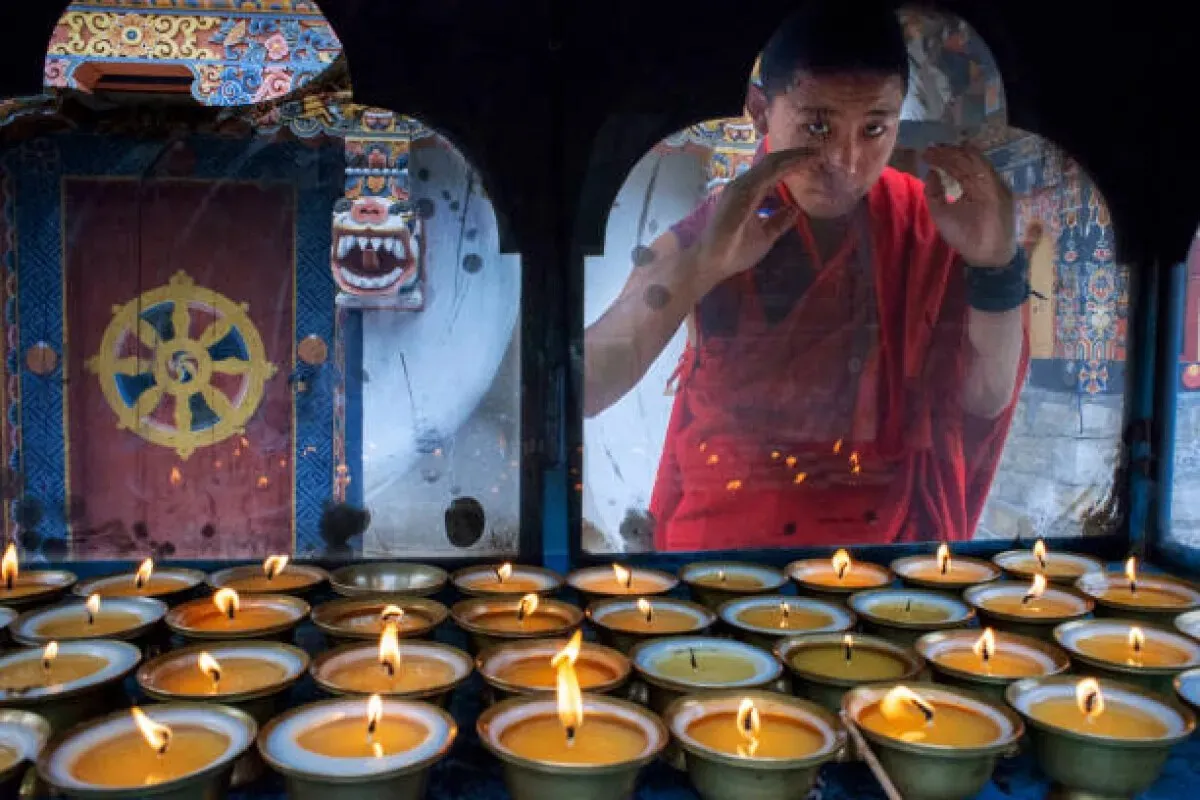
Bhutan holds two valleys that travelers often call its cultural heart. Paro welcomes most visitors first, thanks to its international airport. Bumthang sits further east, quieter and older in religious weight. This guide compares both valleys across history, sites, and travel logistics.
Many itineraries include both regions, but time is often limited. Knowing what each valley offers helps you plan a smarter trip. We look at temples, dzongs, landscapes, and festivals in both places. By the end, you will know which valley fits your priorities best.
Quick Facts: Bumthang vs Paro
- Paro sits at about 2,200 to 2,280 meters
- Bumthang valleys range from 2,600 to 4,500 meters
- Paro holds the only international airport in Bhutan
- Bumthang has a domestic airport called Bathpalathang
- Paro is home to the Tiger Nest Monastery
- Bumthang holds the oldest lhakhang in the country
- Paro to Thimphu is about 65 kilometers
- Thimphu to Bumthang is about 268 to 270 kilometers
Getting to Paro and Bumthang
Paro is almost always the first stop for international travelers. Every flight into Bhutan lands at Paro International Airport. From there, most itineraries continue by road to Thimphu and beyond. This makes Paro the practical gateway to the entire country.
Bumthang sits much further from this main entry point. The overland drive from Thimphu takes around nine to ten hours. This route passes through Wangdue Phodrang and Trongsa along winding mountain roads. A shorter option exists through Bathpalathang, a small domestic airport near Jakar town.
Flights between Paro and Bumthang take about thirty to forty minutes. This saves significant time compared to the long overland route. However, flights depend on clear weather and limited daily schedules. Many travelers still choose the scenic road trip despite the extra hours.
A Brief History of Paro
Paro Valley has supported settlement for more than two thousand years. Its most famous site, Paro Taktsang, sits on a cliff above the valley floor. Legend says Guru Rinpoche flew here on the back of a tigress. He meditated in a cave that later became the heart of the monastery.
Rinpung Dzong, built in 1644, has long served as the main fortress of the valley. It functioned as both a religious and administrative center for centuries. Kyichu Lhakhang, dating to the 7th century, ranks among the oldest temples in Bhutan. Paro International Airport opened in 1983, cementing the valley as the main gateway to the country.
A Brief History of Bumthang
Bumthang carries deeper religious roots than almost any other region in Bhutan. Jambay Lhakhang, built around 659 AD, is considered the oldest lhakhang in the country. Guru Rinpoche visited the valley in the 8th century, leaving several sacred sites behind. This visit helped establish Buddhism firmly across the wider kingdom.
The valley is also the birthplace of Pema Lingpa, a revered treasure discoverer. the first king of Bhutan, Ugyen Wangchuck, was also born in this region. Jakar Dzong, built in 1549, later became his first seat of power. These layered connections give Bumthang its reputation as the spiritual heartland of Bhutan.
Key Sites to See in Paro
Paro Taktsang, known as the Tiger Nest, is the most iconic site in the valley. Reaching it requires a steep hike to an elevation of about 3,120 meters. Rinpung Dzong offers a more accessible look at traditional Bhutanese architecture. The National Museum, housed in the circular Ta Dzong, adds useful historical context.
Kyichu Lhakhang provides a quieter, more intimate religious experience nearby. Drukgyel Dzong, though largely in ruins, offers striking mountain views at the valley head. Chele La Pass, at nearly 4,000 meters, ranks as the highest motorable pass in Bhutan. These sites together give visitors both spiritual depth and dramatic scenery.
Key Sites to See in Bumthang
Jambay Lhakhang anchors the religious landscape of the valley. Kurjey Lhakhang, built around a sacred cave, holds deep significance for pilgrims. Tamshing Lhakhang, founded in 1501, is known for its ancient murals and UNESCO recognition. Mebar Tsho, the Burning Lake, adds a striking natural and legendary element to the valley.
Jakar Dzong overlooks the town from a ridge above the Chamkhar river. Its tall central tower offers sweeping views across the Choekhor valley. Beyond the main valley, Ura, Tang, and Chumey each hold their own smaller sites. Chumey valley is especially known for traditional Yathra wool weaving.
Local Crafts in Each Valley
Paro is known more for its architecture and religious sites than local crafts. Small shops sell textiles, prayer wheels, and paintings, though much comes from elsewhere in Bhutan. The weekly Sunday market offers a good look at everyday local goods. Even so, Paro is not typically seen as a dedicated craft center.
Bumthang holds a stronger reputation for traditional textile production. The Chumey valley is particularly known for Yathra, a wool weaving technique. Local weavers produce colorful blankets, jackets, and cushion covers on wooden looms. Visiting a Yathra workshop offers a direct look at a craft passed through generations.
Food and Local Flavor
Paro offers a wide range of dining, from farmhouse meals to hotel restaurants. Ema datshi, red rice, and momos appear on most menus across the valley. Because Paro sees more visitors, restaurants here often cater to a broader range of tastes. This makes it an easier place for first time visitors to eat comfortably.
Bumthang leans toward heartier, buckwheat based cooking suited to its higher altitude. Local specialties include buckwheat noodles, pancakes, and rich cheese based dishes. Apple products, including juice and dried slices, are common thanks to the local orchards. Meals here often feel more rustic and closely tied to the surrounding farmland.
Landscape and Atmosphere
Paro feels compact, with most sites reachable within a short drive of town. The valley combines terraced rice fields with steep, forested mountainsides. Its single main street reflects a small but lively town center. Many travelers experience Paro as their first and final impression of Bhutan.
Bumthang feels broader and more spread out across four connected valleys. Apple orchards, dairy farms, and buckwheat fields define much of the landscape. The atmosphere here is generally quieter than in Paro or Thimphu. Many visitors describe Bumthang as more contemplative and less touristic overall.
Festivals in Paro and Bumthang
The Paro Tshechu takes place each spring inside Rinpung Dzong. Crowds gather to watch masked dances performed by monks and laypeople. The festival concludes with the unfurling of a massive sacred thongdrel. This event draws large numbers of both local and international visitors.
Bumthang hosts several notable festivals throughout the year. The Jambay Lhakhang Drup includes a striking midnight fire ritual and naked dance performances. The Jakar Tshechu brings colorful mask dances to the dzong courtyard each year. These festivals often feel more intimate than the larger events in Paro.
Which Valley Should You Visit First
Paro is the natural starting point for almost every Bhutan itinerary. Its airport, dzong, and Tiger Nest hike make it a practical first stop. Most short trips of five to seven days focus heavily on this region. It offers a strong introduction without demanding extra travel time.
Bumthang rewards travelers who have more time or a deeper interest in religious history. Reaching the valley takes real commitment, whether by long drive or short flight. Those interested in temples, treasure discoverers, and quieter travel often prefer Bumthang. Many longer itineraries add Bumthang as a second, more immersive chapter.
Trekking Options Near Each Valley
Paro connects directly to some of the most popular treks in western Bhutan. The Druk Path Trek links Paro to Thimphu across several high alpine lakes. This route typically takes four to five days and suits moderately fit trekkers. Many combine this trek with the Tiger Nest hike for a fuller mountain experience.
Bumthang offers gentler, more culturally focused trekking routes through its four valleys. The Bumthang Cultural Trek passes small villages, farmhouses, and remote temples over a few days. Trails here tend to be less strenuous than routes near Paro. This makes Bumthang a good option for travelers who prefer walking with a cultural focus.
Do You Need to Visit Both
Visiting only Paro still delivers a strong sense of Bhutanese culture and scenery. The valley alone justifies a multi day stay for most first time visitors. However, skipping Bumthang means missing some of the oldest temples in the country. Travelers focused purely on religious history may find this a significant gap.
Combining both valleys offers the fullest picture of Bhutanese heritage. Paro shows the accessible, iconic side of the country. Bumthang reveals a slower, more layered religious history. Together, they represent two very different but complementary heartlands.
Where to Stay in Paro and Bumthang
Paro offers the widest range of accommodation in the entire country. Options span simple guesthouses, mid range hotels, and several luxury properties near the valley floor. Because most itineraries begin and end here, availability is generally reliable year round. Booking is straightforward through most licensed Bhutanese tour operators.
Bumthang has fewer choices, though standards have improved significantly in recent years. Farmhouse style hotels and small lodges make up most of the available options. Rooms here tend to feel simpler, with a stronger focus on local character. Travelers seeking luxury may find Paro a more comfortable base for that purpose.
Best Time to Visit Each Valley
Spring and autumn suit both valleys well, though conditions differ slightly. In Paro, March through May brings mild weather and the main spring festival. September through November offers clear skies, ideal for both sightseeing and the Tiger Nest hike. Winter remains cold but manageable, with fewer crowds at major sites.
Bumthang follows a similar seasonal pattern, though temperatures run cooler due to higher altitude. Spring and autumn again offer the most comfortable conditions for travel. Winter can bring snow to higher points within the valley system. Many travelers time a Bumthang visit around one of its distinctive local festivals.
Practical Tips for Comparing a Visit
Book Bumthang flights early, since schedules remain limited and weather dependent. If driving instead, plan for a full day of travel each way. Pack layers for Bumthang, since valley altitudes run higher than in Paro. Comfortable shoes matter in both regions, especially for the Tiger Nest hike.
Set aside at least two full days in Paro to see its major sites. Give Bumthang three or more days if visiting multiple valleys within the region. Confirm festival dates with your guide, since timing varies by lunar calendar each year. Balancing both valleys usually requires ten days or more for a relaxed pace.
Ask your guide about combining Paro and Bumthang with central stops like Trongsa. This turns a two valley trip into a broader east to west journey. Even a short stop in Trongsa adds useful historical context between the two regions. Careful sequencing helps travelers appreciate how each valley connects to the wider country.
Frequently Asked Questions
What are the main differences in elevation and accessibility between Paro and Bumthang?
Paro sits at a lower altitude of 2,200 to 2,280 meters and houses Bhutan's only international airport, making it the primary entry point. Bumthang is located much higher (2,600 to 4,500 meters) and requires either a 30- to 40-minute domestic flight to Bathpalathang Airport or a 9- to 10-hour drive from Thimphu.
Which valley holds greater historical and religious significance in Bhutan?
While Paro holds world-famous sites like Tiger’s Nest, Bumthang is widely regarded as the spiritual heartland of Bhutan. Bumthang houses Jambay Lhakhang (the country's oldest temple built around 659 AD), numerous sacred sites linked to Guru Rinpoche, and serves as the ancestral home of the Wangchuck monarchy.
What are the top attractions to visit in each valley?
Paro features Paro Taktsang (Tiger’s Nest Monastery), Rinpung Dzong, Kyichu Lhakhang, the National Museum, and Chele La Pass. Bumthang features Jambay Lhakhang, Kurjey Lhakhang, Tamshing Lhakhang, Jakar Dzong, and Mebar Tsho (the Burning Lake).
How do local food and artisanal crafts differ between Paro and Bumthang?
Paro offers a wider variety of dining options catering to international tourists, alongside standard Bhutanese staples. Bumthang features rustic, buckwheat-based cuisine (such as buckwheat noodles and pancakes), local apple products, and is famous for Yathra wool weaving produced in the Chumey valley.
What are the key differences in trekking options near Paro versus Bumthang?
Paro is the starting point for high-alpine mountain treks like the 4- to 5-day Druk Path Trek to Thimphu. Bumthang offers gentler, culturally focused village-to-village walks (such as the Bumthang Cultural Trek) across its four interconnected valleys.
How many days should travelers allocate for Paro and Bumthang?
Plan for at least two full days in Paro to cover its major sights. Bumthang requires three or more days to properly explore its multiple valleys. Combining both regions comfortably into a single trip requires an itinerary of 10 days or more.
What types of accommodation are available in Paro compared to Bumthang?
Paro offers the widest selection of accommodations in Bhutan, ranging from budget guesthouses to luxury international resorts. Bumthang has fewer choices, primarily consisting of simple, character-filled lodges and farmhouse-style hotels.