
Introduction to the Sacred Site
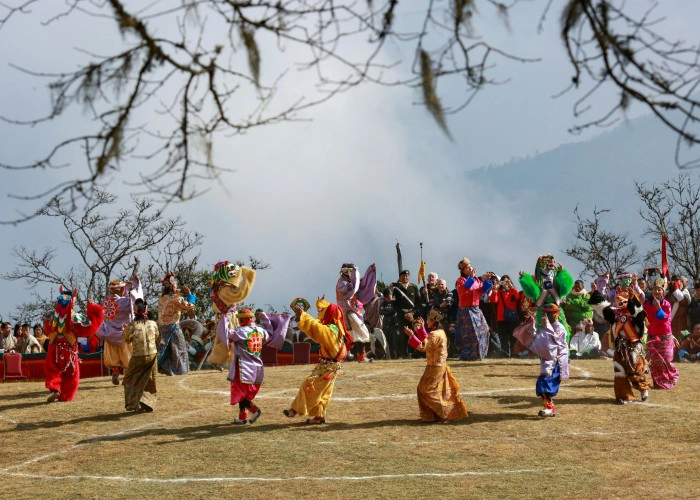
Gom Kora is a highly sacred site in eastern Bhutan. It rests peacefully beside the mighty Drangme Chhu river. This beautiful location attracts thousands of devoted pilgrims annually. Every spring a massive religious festival takes place here. The festival lasts for three full days and nights. Devotees travel from very distant mountain villages to attend. They bring their entire families to this holy gathering. The atmosphere is filled with pure joy and deep devotion. This is not just a standard religious temple visit. It is a massive outdoor camping and cultural celebration. People of all ages enjoy this amazing spiritual journey. The holy site brings immense peace to every visitor.
The Legend of the Great Guru
The history of this site dates back many centuries. It connects directly to the famous saint Guru Rinpoche. He is the founding father of Buddhism in Bhutan. Legends say an evil demon once terrorized this region. The demon hid inside a massive black rock here. Guru Rinpoche meditated near this very rock for days. He wanted to subdue the evil spirit completely forever. His intense meditation generated incredible spiritual power and heat. This divine power finally defeated the terrible dark demon. The victory brought lasting peace to the entire valley. The rock became a supreme symbol of divine triumph. Pilgrims still worship this incredible stone structure today.
The Meaning Behind the Name
The name of the site holds a very deep meaning. Gom translates to meditation in the local spoken language. Kora translates to circumambulation or walking in continuous circles. Therefore the name literally means walking around the meditation site. Pilgrims take this literal meaning very seriously every year. They walk around the holy rock countless times daily. Walking in circles shows deep respect for the deity. It is a physical form of intense spiritual prayer. Each step cleanses the mind of negative worldly thoughts. The name perfectly describes the main activity of visitors. The repetitive walking creates a powerful meditative trance state.
The Geography of the Holy Place
The location of the temple is truly incredibly stunning. It is located in the remote Trashigang district boundaries. The site sits in a very narrow river valley. Steep green mountains rise high on both parallel sides. The Drangme Chhu river flows rapidly past the temple. The sound of rushing water provides a soothing background. Agricultural fields surround the immediate holy temple area closely. The altitude is much lower than the main town. This lower altitude brings a warmer and pleasant climate. The warm weather is perfect for outdoor spring camping. The natural beauty enhances the deep spiritual experience immensely.
The Three Day Spring Festival
The main festival happens during the warm spring season. It usually falls in late March or early April. The exact dates depend on the complex lunar calendar. The entire event spans three consecutive days and nights. These three days are extremely busy and highly energetic. Day one focuses heavily on arrival and camp setup. Day two features intense prayer and continuous rock circumambulation. Day three concludes with special blessings from senior monks. The schedule is completely packed with beautiful religious rituals. Sleep is highly limited during these three festive days. The vibrant energy keeps every single pilgrim fully awake. Anyone planning to attend the celebrations can experience the festival through the Gomkora Tsechu Festival Tour, which also includes visits to other cultural sites across Bhutan.
The Tradition of Camping Together
Camping is the most unique aspect of this festival. There are no large hotels near the sacred site. Therefore pilgrims must sleep outside in temporary fabric tents. Hundreds of colorful tents cover the surrounding green fields. Families set up their temporary homes very close together. This close proximity creates a wonderful sense of community. Neighbors share hot meals and sweet tea with everyone. Children play freely among the many crowded tent rows. The campsite looks like a massive temporary vibrant village. The shared hardship of camping builds very strong bonds. This specific tradition has survived for many long centuries.
Pilgrims from Across the Border
The festival attracts many people from outside of Bhutan. Devotees travel from the neighboring Indian state of Arunachal Pradesh. The border is relatively close to this eastern district. These international pilgrims share very similar religious cultural beliefs. They walk for many long days across steep mountains. Their incredible dedication is a true testament to faith. They bring unique customs to the Bhutanese festival grounds. Their presence highlights the strong regional Buddhist cultural ties. The festival acts as a powerful international meeting point. Borders completely disappear in the face of pure devotion.
The Unique Dakpa Tribe
The pilgrims from India mostly belong to the Dakpa tribe. They are incredibly easy to spot in the crowd. They wear very distinctive and unique black woolen hats. These hats feature five protruding fuzzy legs on top. Their traditional clothing is woven from thick yak hair. The Dakpa people speak a totally different local dialect. However they communicate easily through shared spiritual religious practices. They are highly respected by the local Bhutanese hosts. The Dakpa consider this site extremely sacred and important. Their annual arrival is a highly anticipated festival highlight.
Nighttime Festivities and Joy
The holy festival never truly stops when the sun sets. The nighttime brings a completely different kind of energy. Pilgrims light hundreds of small glowing butter lamps carefully. These warm lamps illuminate the giant sacred black rock. Monks continue their deep rhythmic chanting into the night. Young people gather around small warm campfires to sing. They sing beautiful traditional folk songs about mountain life. The sound of happy laughter echoes across the dark valley. The river reflects the bright light of the white moon. The entire atmosphere becomes incredibly magical and deeply romantic. Nobody wants to sleep during these special beautiful nights.
The Ancient Art of Matchmaking
This festival is highly famous for local romantic matchmaking. In ancient times isolated villages offered few marriage prospects. This grand gathering allowed young people to finally meet. Young men and women dress in their absolute finest clothes. They use traditional songs to flirt with each other. A boy might sing a clever poetic verse loudly. A girl will sing a sharp witty response back. This vocal competition is highly entertaining for the crowds. Many happy marriages have started at this exact site. This specific tradition remains very popular among rural youth. It adds great social value to the religious event.
The Act of Circumambulation
Walking around the giant rock is the main ritual. Pilgrims walk in a clockwise direction without ever stopping. They carry small wooden prayer beads in their hands. They mutter sacred mantras continuously with every single step. Some highly devoted individuals perform full body prostrations instead. They lay their entire bodies flat on the dusty ground. They stand up and repeat this for every single step. This requires immense physical strength and extreme mental dedication. The walking path becomes incredibly polished from many feet. People walk around the rock all day and night.
The Ultimate Sin Test
There is a very famous physical test held here. The giant rock features an extremely narrow vertical crevice. Pilgrims believe they must squeeze through this tight space. Passing through successfully proves you have a pure heart. Getting completely stuck means you have too many sins. People of all sizes attempt this very difficult challenge. Friends push and pull each other through the gap. There is much loud cheering when someone succeeds finally. It is a highly fun but deeply meaningful activity. It reminds people to live a good moral life. It is the most popular activity of the day.
Holy Water for Deep Cleansing
Sacred water flows near the base of the rock. This natural spring is believed to hold magical properties. The water was blessed by the great Guru himself. Pilgrims wait in very long lines to drink it. They cup their hands to catch the cold drops. They also sprinkle this holy water on their heads. The water cures physical illnesses and painful mental distress. Parents carefully wash the faces of their young children. Many people fill small plastic bottles to take home. They give this holy water to sick elderly relatives. It is a highly cherished and valuable natural resource.
The Beautiful Traditional Dress
Everyone wears their absolute best traditional clothing right here. Men wear a knee length robe called a Gho. Women wear an elegant ankle length dress called a Kira. These beautiful garments are woven with highly intricate patterns. Eastern Bhutan is incredibly famous for its weaving skills. The raw silk textiles display bright and vibrant colors. Red blue and yellow patterns completely dominate the crowds. Wearing fine clothes shows deep respect for the deities. It also helps young people attract potential romantic partners. The festival is a spectacular display of local fashion.
Delicious Food at the Campsite
Food plays a massive role in the overall camping experience. Families cook large heavy meals over open wood fires. The smell of wood smoke and spices fills the air. Red rice is the absolute main staple carbohydrate here. Ema Datshi is the famous spicy national chili dish. It is made with very hot chilies and cheese. People also eat dried beef and rich fatty pork. Copious amounts of hot butter tea are consumed constantly. Sweet local rice wine is shared among adult friends. Sharing delicious food brings everyone much closer together happily.
The Role of the Monks
Buddhist monks manage all the complex official religious ceremonies. They travel from the main district monastery to attend. The senior monks sit inside the main temple building. They read sacred ancient texts aloud for many hours. They play loud large drums and heavy brass cymbals. They blow beautiful long copper horns to summon deities. Their traditional music guides the spiritual energy of the crowd. The monks also perform special purification rituals for campers. They ensure the entire space remains holy and clean. Their dedicated presence elevates the importance of the event.
Trade and the Local Economy
The large gathering creates a booming temporary local market. Smart traders set up small wooden stalls absolutely everywhere. They sell a massive variety of essential daily goods. You can buy fresh clothes and cheap plastic toys. Many vendors sell religious items like holy prayer flags. Food stalls sell hot noodles and sweet fried bread. Nomads sell hard dried cheese and fresh yak butter. This temporary market is vital for the remote local economy. It provides essential yearly income for many rural families. The grand festival is highly beneficial for local businesses.
Travel Route to the Site
Reaching the holy temple requires some careful prior planning. From the main town of Trashigang, the road passes through eastern Bhutan, revealing deep river gorges, tall waterfalls and dramatic mountain scenery along the way. The drive takes about one hour on winding roads. The mountain road is quite narrow and very steep. Drivers must navigate very sharp turns with extreme caution. Shared taxis are the most common form of motorized transport. Many young strong locals prefer to walk the distance. The long journey itself is a beautiful part of the pilgrimage.
Weather During the Festival
The weather in early spring is generally very pleasant. The days are usually bright, sunny and quite warm. The lower altitude keeps the valley floor perfectly comfortable. However the temperature drops significantly during the dark night. Campers must prepare for this sudden sharp evening chill. Thick woolen blankets are absolutely essential for nighttime sleeping. Sudden light rain showers are also somewhat highly possible. Rain is considered a very lucky sign of divine blessing. The clean fresh mountain air makes breathing completely effortless. The weather truly perfectly complements the outdoor camping lifestyle.
What Tourists Should Pack
Foreign visitors must pack very carefully for this trip. A sturdy sleeping bag is absolutely the top priority. Good strong walking shoes are needed for the rocky terrain. Warm heavy layers of clothing will combat the cold nights. A good reliable flashlight is essential for the dark campsite. Modest formal clothing is strictly required inside the temple grounds. Wet wipes and hand sanitizer are highly recommended hygiene items. Visitors should bring a reusable water bottle to drink. Extra camera batteries are needed due to limited electricity. Packing light but smart will ensure a comfortable trip.
Guidelines for Foreign Visitors
Tourists are always very welcome at this local festival. However strict cultural respect is completely and utterly mandatory. Visitors must never climb on the giant sacred rock. They must walk clockwise just like the local pilgrims. Smoking is strictly banned in all holy temple areas. Modest dressing is absolutely required for both men and women. Do not interrupt the monks during their chanting sessions. Always ask for polite permission before taking portrait photos. Hiring a local guide helps avoid cultural misunderstandings easily. Respectful behavior earns you many warm smiles from locals.
Photography Rules and Etiquette
This beautiful festival is a dream for keen photographers. The bright vibrant colors create absolutely stunning visual images. The beautiful faces of the pilgrims tell amazing stories. However strict rules apply inside the main temple building. Photography is completely forbidden inside the inner religious sanctum. You can freely photograph the outdoor rock and campsite area. Photographers must not block the main circumambulation walking path. Using bright flashes at night can disturb the meditating monks. Capturing the genuine joy requires immense patience and respect. Good photos will preserve these amazing memories forever.
The Architecture of the Temple
The main temple structure is small but very beautiful. It was built perfectly to complement the natural rock. The temple features a traditional golden curved sloping roof. The thick white stone walls are painted with bright colors. Intricate wood carvings decorate the heavy main entrance door. The temple interior is filled with amazing historical statues. Religious artwork like this can also be found throughout Bhutan's historic sites, where centuries-old traditions continue to be preserved. Guru Rinpoche is the main central figure displayed prominently. The sturdy building has survived many centuries of harsh weather. It perfectly showcases traditional Bhutanese ancient architectural design skills. It provides a highly safe shelter for the sacred relics.
Preserving Ancient Buddhist Traditions
Modernization is slowly changing the entire country of Bhutan. Smartphones and internet access have reached remote eastern villages. However this specific festival strongly resists modern cultural changes. The traditional clothing rules remain strictly enforced every single year. The ancient camping tradition is still highly honored today. Parents constantly teach their children the importance of the rock. The royal government actively protects this site as national heritage. Preserving this grand event requires constant dedication and intense effort. It is a living breathing museum of ancient religious faith. The deep roots of tradition remain incredibly strong here.
Overcoming Modern Distractions
The festival offers a perfect escape from modern life. There is very limited cell phone reception down here. This forces people to actually talk to each other. Families completely disconnect from their busy stressful digital lives. They reconnect with nature and their deep spiritual roots. The slow pace of walking brings immense mental clarity. The simple act of camping removes worldly material desires. People realize they need very little to be completely happy. This digital detox is highly refreshing for mental health. The ancient traditions provide a perfect modern mental cure.
Spiritual Peace in Busy Times
Finding deep inner peace is the ultimate goal of pilgrims. The continuous rhythmic chanting calms the anxious human mind. The loud rushing river washes away lingering negative thoughts. The collective positive energy of the crowd is highly infectious. Sitting quietly by the giant rock brings profound stillness. Many troubled people find the clear answers to their problems. The physical exhaustion of walking leads to deep total relaxation. This grand festival heals both the human body and mind. It is a powerful spiritual medicine for modern daily stress. Every single pilgrim leaves with a much lighter heart.
A Journey of Deep Faith
Attending this event requires immense physical and mental effort. The long difficult travel tests the patience of pilgrims. Sleeping on the hard ground tests their physical endurance. However their unwavering deep faith makes it all highly worthwhile. They endure these severe hardships with pure joyful bright smiles. The strong belief in divine blessings pushes them constantly forward. This pure faith is truly inspiring to easily witness. It clearly shows the incredible strength of the human spirit. Religion is not just a simple belief here but action. The entire festival is a beautiful physical manifestation of faith.
Frequently Asked Questions
1. What is Gom Kora and where is it located?
Gom Kora is a deeply sacred site located in the remote Trashigang district of eastern Bhutan, resting peacefully beside the rushing Drangme Chhu river. It is famous for its lower valley climate, stunning mountain scenery, and a massive annual spring festival that attracts thousands of pilgrims.
2. What is the legend behind Gom Kora and its name?
The site is tied to Guru Rinpoche, who meditated near a giant black rock to subdue an evil demon that once terrorized the region. The name combines "Gom" (meditation) and "Kora" (circumambulation or walking in circles), reflecting the primary ritual of walking continuously around the holy rock to cleanse negative thoughts.
3. What happens during the three-day spring festival and camping tradition?
Held in late March or early April, the festival features intense prayer rituals, butter lamp offerings, monk ceremonies, and a vibrant temporary market. Because hotels are scarce near the site, pilgrims sleep in hundreds of colorful outdoor fabric tents, creating a massive, communal village atmosphere.
4. Who are the Dakpa tribe, and what role do they play in the festival?
The Dakpa are pilgrims who travel across the border from the neighboring Indian state of Arunachal Pradesh. Easily recognized by their distinctive black woolen hats with five protruding fuzzy legs and traditional yak-hair clothing, their participation highlights strong cross-border Buddhist cultural ties.
5. What is the famous "Ultimate Sin Test" at Gom Kora?
The Ultimate Sin Test is a popular physical challenge where pilgrims attempt to squeeze through an extremely narrow vertical crevice in the giant sacred rock. Passing through successfully is believed to prove a pure heart, while getting stuck playfully indicates having too many sins.
6. How does the festival function as a traditional matchmaking event?
Historically, the isolated region offered few marriage prospects, making this grand gathering a vital social hub. Young men and women dress in their finest silk gho and kira to engage in witty, poetic vocal singing competitions to flirt and find potential romantic partners.
7. What essential etiquette and packing tips should foreign visitors keep in mind?
Visitors must respect local customs by wearing modest attire (covering shoulders and legs), walking strictly clockwise around the sacred rock, never climbing on it, and avoiding photography inside the main temple. Essential packing items include a sturdy sleeping bag for the cold nights, warm layers, walking shoes, and a reusable water bottle.
Final Thoughts
Gom Kora is truly a magnificent and highly unique festival. It perfectly blends religious devotion with lively social celebration. The massive black rock stands as a silent holy guardian. The holy river flows endlessly past the colorful camping tents. The deep ancient traditions bind the entire eastern community together. The grand festival proves that ancient faith remains highly alive. Visitors leave with incredible lifelong memories and pure cleansed souls. It is a perfect shining example of rich Bhutanese culture. Everyone should absolutely witness this incredible massive gathering at least once. The powerful blessings of the Guru will protect you forever.