
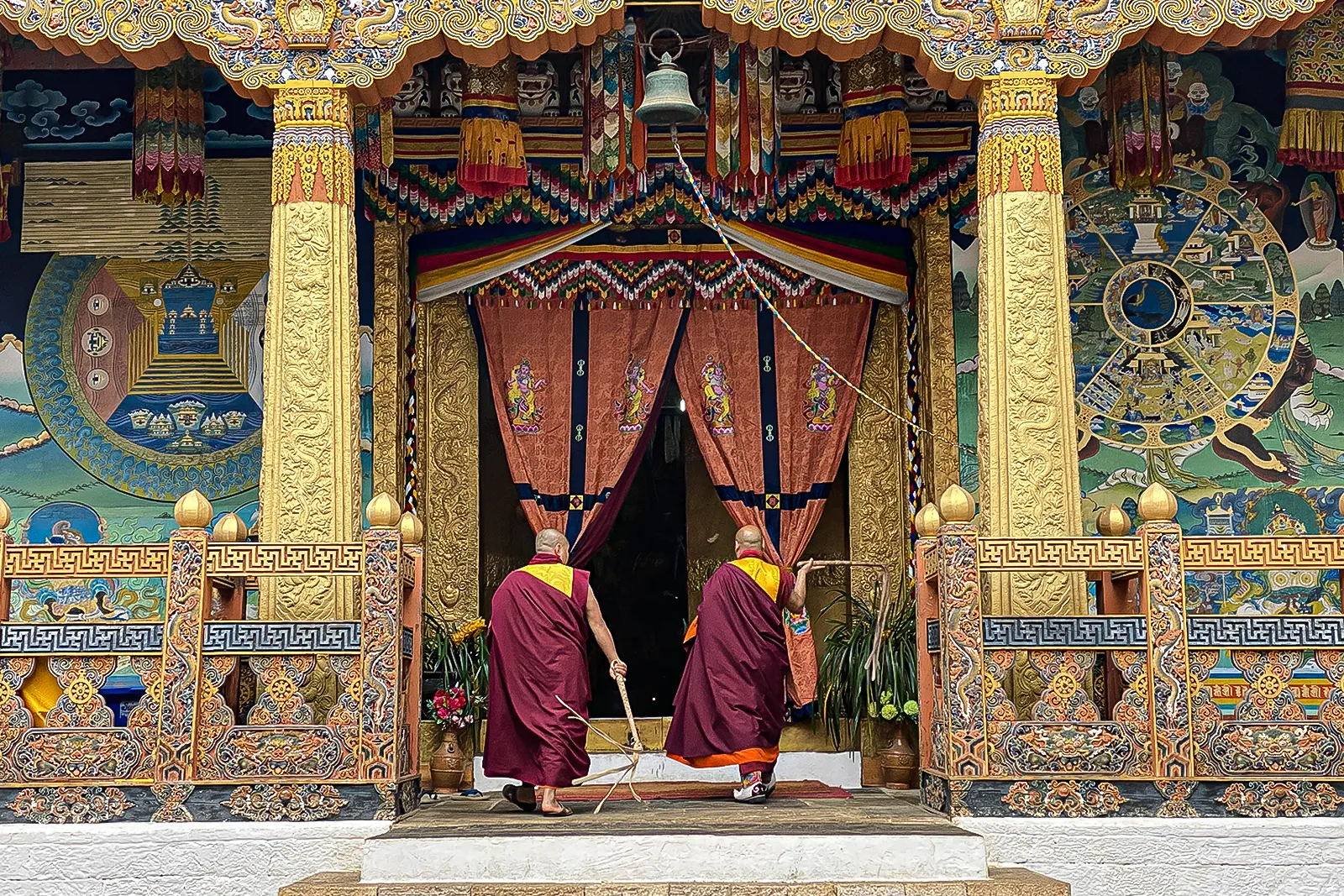
Introduction to the Wangdue Phodrang Festival
The Wangdue Phodrang festival is a deeply sacred event. It takes place in the beautiful central valleys of Bhutan. This grand event is locally known as a Tshechu. Thousands of devoted people gather here every single autumn. They come to witness highly sacred masked religious dances. The festival honors the great Buddhist saint Guru Rinpoche. People believe attending this festival cleanses their many sins. It brings incredible spiritual blessings for the entire year. Tourists also visit to experience this vibrant mountain culture. The atmosphere is always filled with pure positive energy. It is truly a remarkable sight to behold.
The Historic Importance of the Fortress
Wangdue Phodrang Dzong is a massive traditional stone fortress. A visionary leader built the original structure long ago. It served as a vital regional administrative center. It also defended the region against various historical invasions. Today it remains a vital spiritual and administrative hub. The fortress sits high on a steep mountain ridge. It overlooks a powerful and fast flowing river below. For centuries the festival happened in its stone courtyard. The fortress holds the deep cultural identity of Bhutan. The people of Wangdue love this noble fortress deeply. The history of Wangdue Phodrang Dzong reveals why the fortress remains such an important part of the region's heritage.
The Tragic Fire of Two Thousand Twelve
A terrible tragedy struck this beautiful district very recently. In the year two thousand twelve the fortress burned. A massive fire destroyed the entire ancient stone structure. The beautiful wooden carvings turned completely to dark ash. Many sacred ancient religious relics were sadly lost forever. The local people wept bitterly as their fortress fell. It was a massive cultural loss for all citizens. The devastating fire shocked the entire Himalayan nation completely. The grand autumn festival lost its ancient historical home. It was a time of great sorrow and mourning.
A Decade of Patience and Grand Reconstruction
The resilient people of Bhutan did not lose hope. The royal government immediately planned a massive rebuilding project. Reconstructing the giant fortress took over ten long years. Thousands of skilled artisans and carpenters worked very hard. They used traditional building methods without any iron nails. They successfully carved intricate wooden beams totally by hand. The entire nation donated money to support the rebuild. Monks prayed daily for the success of the project. The massive reconstruction effort was finally finished very recently. The majestic fortress rose from the ashes once again.
The Tshechu During the Rebuilding Years
The religious festival never stopped during the long rebuild. The resilient local community moved the event completely away. They held the dances at a nearby military ground. This temporary ground is known as Tencholing army camp. The military ground provided enough space for the crowds. However the temporary location lacked true ancient spiritual energy. The flat field did not feel like a sacred fortress. People missed the towering white walls of the dzong. They missed the beautiful painted wooden balconies very much. The festival survived but the atmosphere felt very different.
Returning to the Sacred Fortress
The new fortress finally opened its heavy wooden doors. The grand festival officially returned to its rightful home. This highly anticipated return brought immense joy to everyone. The entire district celebrated this massive historic milestone together. Monks chanted special prayers to bless the new ground. Returning to the fortress felt like a true miracle. The local people wore their absolute finest woven clothes. They walked up the steep hill with great pride. The spiritual energy of the festival was completely restored. It was a deeply emotional and beautiful cultural homecoming.
Architectural Marvels of the Rebuilt Dzong
The new fortress is a true architectural masterpiece today. It perfectly replicates the majestic original ancient stone design. However the builders added massive hidden structural improvements inside. The thick walls slant slightly inward for great stability. This brilliant ancient design protects against severe Himalayan earthquakes. The central religious tower stands taller than ever before. It houses the most sacred and important new shrines. The wooden windows feature beautiful traditional painted floral motifs. Walking through the new structure feels absolutely incredibly magical. It perfectly showcases traditional Bhutanese ancient building skills safely.
Enhanced Safety and Modern Facilities
The original fortress had very narrow and steep stairs. It lacked modern fire safety and proper crowd control. The new design carefully fixes all these old problems. There are wide emergency exits and better stone walkways. Modern fire suppression systems are completely hidden from view. These vital systems protect the sacred temple from danger. The new courtyards can safely handle much larger crowds. Public restrooms are now clean and highly easily accessible. Tourists and locals feel much safer inside the walls. These modern changes make the long festival very comfortable.
The Grand Courtyard and Better Viewing
The festival happens inside the main central stone courtyard. The new courtyard features perfectly leveled flat stone floors. This makes dancing much safer for the energetic monks. The surrounding wooden balconies are wider and very strong. People can sit comfortably and watch the complex dances. The line of sight is much better than before. Everyone gets a clear view of the sacred performances. The acoustics of the new enclosed space are amazing. The loud traditional music echoes beautifully off the walls. The new space greatly enhances the overall viewing experience.
The Famous Raksha Mangcham Dance
The Wangdue festival is highly famous for one dance. This unique performance is called the Raksha Mangcham locally. It translates to the sacred dance of the ox. This specific dance is unique to the Wangdue district. It tells a very complex ancient Buddhist spiritual story. The dancers wear terrifying heavy wooden animal head masks. The main dancer wears a giant black ox mask. Other dancers portray fierce judges of the spiritual afterlife. The loud music is hypnotic and extremely powerful constantly. It is the absolute core highlight of the festival.
Understanding the Sacred Dance of the Ox
The dance depicts the judgment of a human soul. In Buddhism death is just a transition phase entirely. The ox headed deity judges the deeds of mortals. A virtuous person is guided safely to pure heaven. A sinful person is dragged toward a painful hell. The dancers vividly show this strict spiritual court process. The heavy masks feature sharp fangs and bulging eyes. The performance teaches true acceptance of human moral actions. It reminds the audience to live a completely good life. Watching this energetic dance provides great spiritual merit today.
How the New Space Enhances the Dances
The new courtyard breathes fresh life into this dance. The flat ground allows dancers to leap much higher. They move with incredible speed and perfect physical grace. The crisp acoustics make the crashing cymbals sound louder. The bright pristine walls make the colorful costumes pop. The newly painted wooden balconies frame the vibrant action. Dancers feel the renewed spiritual energy of the space. They perform with unmatched passion and deep religious devotion. The audience watches the amazing performers in complete awe. The new setting makes the ancient dance feel brand new.
The Role of the Sacred Thongdrol
The festival concludes with a very special morning event. Monks carefully unfurl a giant religious scroll called Thongdrol. This massive silk textile covers a whole building wall. It features a giant beautiful image of Guru Rinpoche. Simply viewing this huge Thongdrol cleanses all human sins. People wait patiently in lines to receive its blessing. The atmosphere is incredibly quiet and highly deeply reverent. This holy unfurling happens long before actual sunrise today. It is the absolute spiritual climax of the entire festival.
Unfurling the Giant Scroll in the New Space
The rebuilt fortress features a special wall for this. The architects designed a specific towering white stone wall. This massive wall perfectly supports the heavy silk scroll. The unfurling process is now much smoother and safer. Monks use new strong ropes to hoist the textile. The bright morning sun hits the fabric perfectly here. The delicate Thongdrol must not see direct harsh sunlight. Monks roll it back up rapidly before dawn breaks. The new layout makes this vital religious process flawless. It is a profoundly moving emotional experience for everyone.
Emotional Impact on the Local Community
The return to the fortress brought many happy tears. Older citizens remembered the devastating fire very vividly always. Seeing the fortress whole again healed their broken hearts. The local community feels incredibly proud of this achievement. They volunteered their free time to clean the grounds. They brought special food to feed the working monks. The festival represents their amazing resilience and strong faith. Rebuilding the structure united the entire central river valley. The festival now celebrates both religion and human determination. It is a very powerful symbol of national unity.
Healing the Collective Cultural Trauma
The tragic fire left a deep scar on Bhutan. The total loss of history was very hard to accept. The new fortress successfully heals this deep cultural trauma. It proves that Bhutanese culture can survive any disaster. The ancient traditions were not lost in the fire. They live on powerfully in the hearts of people. The festival is louder and much brighter than ever. The successful rebuild gives massive hope to the youth. They see the immense true value of their heritage. The cultural identity of the region is completely restored.
The Intricate Art of Sacred Wooden Masks
The masks are the brilliant visual highlight of the festival. Bhutanese artisans carefully carve these masks from local wood. The fire destroyed many of the original ancient masks. Master craftsmen had to carve entirely new ones recently. They followed strict religious guidelines for proper facial proportions. Once carved the new masks were brightly painted carefully. Finally a senior lama blessed every single wooden mask. This vital blessing gives the mask its spiritual power. The new masks look incredibly fierce and highly vibrant.
Symbolism of Colors in Bhutanese Masks
Colors play a vital role in new mask design. Red masks represent fierce and highly wrathful protective deities. They symbolize raw power and strong protective spiritual anger. Blue masks represent vastness and deep profound spiritual depth. White masks indicate pure peace and ultimate mental calmness. Yellow masks symbolize wealth and great rich spiritual prosperity. Green masks show active compassion and very swift action. The bright paint is made from crushed natural pigments. These vivid new colors stand out brilliantly in sunlight.
The Rhythmic Sounds of Traditional Music
The traditional music of the festival is completely unique. There are absolutely no modern electronic instruments used here. Monks play large traditional circular drums using wooden beaters. They crash large heavy brass cymbals to set the pace. Long beautiful copper horns produce deep echoing powerful sounds. Short wooden flutes add high beautiful piercing melodic sounds. The rhythmic chanting of monks blends with the instruments. This creates a mesmerizing highly meditative and magical soundscape. The music safely guides the complex footwork of dancers. It elevates the spiritual energy of the entire courtyard.
The Vital Role of the Clowns
You absolutely cannot discuss this festival without mentioning clowns. These highly entertaining traditional clowns are locally called Atsaras. They wear distinctive bright red wooden carved faces always. These fun masks have long noses and exaggerated features. They joke constantly with the crowd and the dancers. Their wild behavior brings massive joy to the festival. They actively help maintain order during the busy event. They gently keep the massive crowds back safely today. They represent highly advanced and fully enlightened spiritual masters.
What Tourists Must Know Before Visiting
Attending this grand event is a very great privilege. Tourists must plan their visit many months in advance. The new festival attracts massive crowds every single year. You must book local hotels and reliable flights early. The mountain weather in autumn can be quite unpredictable. Visitors should pack warm layers and good walking shoes. Hiring a licensed local guide is absolutely strictly required. Your guide will explain the complex meanings of dances. Proper planning ensures a smooth and highly enjoyable trip. Visitors joining the Wangdue Phodrang Festival Tour can experience the festival alongside visits to monasteries, dzongs and other cultural sites.
Dress Code and Respectful Behavior
Tourists must be deeply respectful of local cultural traditions. Traditional formal clothing is highly recommended for all visitors. Men should wear collared shirts and long formal trousers. Women must wear ankle length skirts and covered shoulders. Never use bright flash photography during the sacred dances. Do not talk loudly during quiet and serious rituals. Do not cross the sacred dance area under any circumstances. Respect the funny clowns if they interact with you. Your highly respectful behavior ensures you are totally welcome.
Reaching Wangdue Phodrang from Thimphu
The journey begins in the capital city of Thimphu. The drive takes about three hours on winding roads. The mountain road crosses the famous high Dochula Pass. Drivers must navigate very sharp turns with extreme caution. The natural scenery along the road is absolutely breathtaking. You will see deep river gorges and tall trees. The road conditions have improved significantly in recent years. Shared local taxis are a common form of public transport. The long scenic journey itself is a beautiful cultural experience.
Why the New Dzong Attracts More Visitors
The successful rebuild has generated massive international media interest. Many tourists want to see this architectural miracle personally. The festival offers a perfect chance to visit inside. The new facilities make the visit much more comfortable. Older tourists appreciate the safer stairs and clean restrooms. Photographers love the pristine walls and bright new paintings. The story of the fire and rebirth is compelling. This renewed global interest boosts local tourism very significantly. The district is becoming a major popular travel destination.
Economic Boost for the Local Region
The busy festival greatly benefits the local district economy. Small regional businesses experience their busiest sales week ever. Local cozy guesthouses are booked many months in advance. Hardworking farmers sell their fresh organic produce very quickly. Handicraft vendors sell beautiful woven textiles and carved souvenirs. Local transport services see a massive increase in customers. The festival provides vital income for many rural families. This great economic boost helps sustain remote eastern villages. It shows how culture can actively support economic survival.
Delicious Food at the Festival Ground
Delicious traditional food is a major festival highlight here. Families bring large packed lunches to the massive courtyard. They sit together and share warm meals between performances. Nutritious red rice is a vital staple food here. Ema Datshi is the famous spicy national cheese dish. It is made with very hot chilies and local cheese. People also eat dried beef and rich fatty pork. Sweet hot milk tea is served continuously all day. Sharing good food brings the local community much closer.
Comparing the Old and New Experience
The old fortress had a very dark rustic charm. The ancient wood was black from centuries of smoke. The floors were uneven and the walls looked tired. The new fortress is bright and incredibly flawlessly clean. The fresh paint smells like pine and natural oil. Some elders miss the highly ancient feel of before. However most people completely prefer the beautiful new structure. The spirit of the festival remains exactly the same. Only the physical outer shell has changed for good. The new experience is definitely safer and visually stunning.
The Preservation of Ancient Bhutanese Arts
The rebuilding project sparked a huge revival of arts. Young people learned traditional wood carving from old masters. Women wove massive new banners for the temple walls. Painters mixed natural colors just like their distant ancestors. The festival now showcases all these newly revived skills. The fortress is a living gallery of traditional ancient arts. This ensures these precious skills will survive for centuries. The tragic fire accidentally saved these dying artistic trades. The festival celebrates both spiritual devotion and artistic mastery.
The Symbolism of the Wangdue Fortress
The fortress resembles a sleeping elephant from a distance. Local legends say this specific location is highly auspicious. The building connects the western and central river valleys. It stands as a powerful guardian of the entire region. The festival activates the strong protective energy of the fortress. The spinning dancers send blessings down the rushing river. The loud music wakes the sleeping mountain guardian spirits. The new walls are a symbol of national strength. It is the beating cultural heart of the district.
Weather and Best Time to Visit
The festival always occurs during the beautiful autumn season. The autumn months bring incredibly clear and blue skies. The temperature is perfectly warm during the sunny day. However the temperature drops significantly during the dark night. Visitors must prepare for this sudden sharp evening chill. Thick warm jackets are essential for early morning rituals. Sudden light rain showers are also somewhat highly possible. Rain is considered a very lucky sign of divine blessing. The clean fresh mountain air makes breathing completely effortless.
Photography Rules in the New Fortress
This beautiful event is a dream for keen photographers. The bright vibrant colors create absolutely stunning visual images. The beautiful faces of the pilgrims tell amazing stories. However strict rules apply inside the main temple building. Photography is completely forbidden inside the inner religious sanctum. You can freely photograph the outdoor courtyard dance area. Photographers must not block the main walking path anywhere. Capturing the genuine joy requires immense patience and respect. Good photos will preserve these amazing memories forever perfectly.
Exploring the Surrounding Phobjikha Valley
Visitors should definitely explore the nearby areas after attending. The stunning Phobjikha valley is a very short drive. This wide glacial valley is absolutely breathtakingly beautiful always. It is the winter home of rare black necked cranes. Tourists can hike through the quiet beautiful pine forests. They can visit the highly ancient Gangtey monastery nearby. The contrast between the busy festival and quiet valley is perfect. It provides a highly relaxing end to the busy trip. The entire region is full of natural mountain magic. The surrounding landscape can be explored through the Phobjikha Valley and Gangtey Trek, with quiet forests, mountain views and Gangtey Monastery along the way.
Connecting with the Monastic Community
Devoted monks manage all the complex official religious ceremonies. They travel from the main district monastery to attend. The senior monks sit inside the main temple building. They read sacred ancient texts aloud for many hours. They play loud large drums and heavy brass cymbals. Their dedicated presence elevates the importance of the event. The festival allows locals to connect with these monks. People offer small donations to receive special personal blessings. It creates a beautiful cycle of mutual religious support.
The Future of the Wangdue Phodrang Festival
The future of this grand festival looks incredibly bright. The new fortress will stand strong for many centuries. It will safely host countless future generations of dancers. Small children watch the dances and learn their history. They see the extreme importance of community and respect. The royal government actively supports the preservation of festivals. Local schools close completely so eager students can attend. The traditions are perfectly safe inside these new walls. The festival will continue to grow and inspire many.
Conclusion: A Reborn Spiritual Journey
The Wangdue Phodrang festival is a profound cultural experience. The new fortress perfectly hides the scars of tragedy. It clearly reveals the true strength of the people. The highly energetic dances tell brilliant stories of wisdom. The beautifully vibrant colors paint a picture of faith. Visiting this magical festival changes your perspective on life. You will leave with a deeper understanding of devotion. The rich blessings of Wangdue will positively stay forever. It is a perfect shining example of amazing Bhutanese culture.