
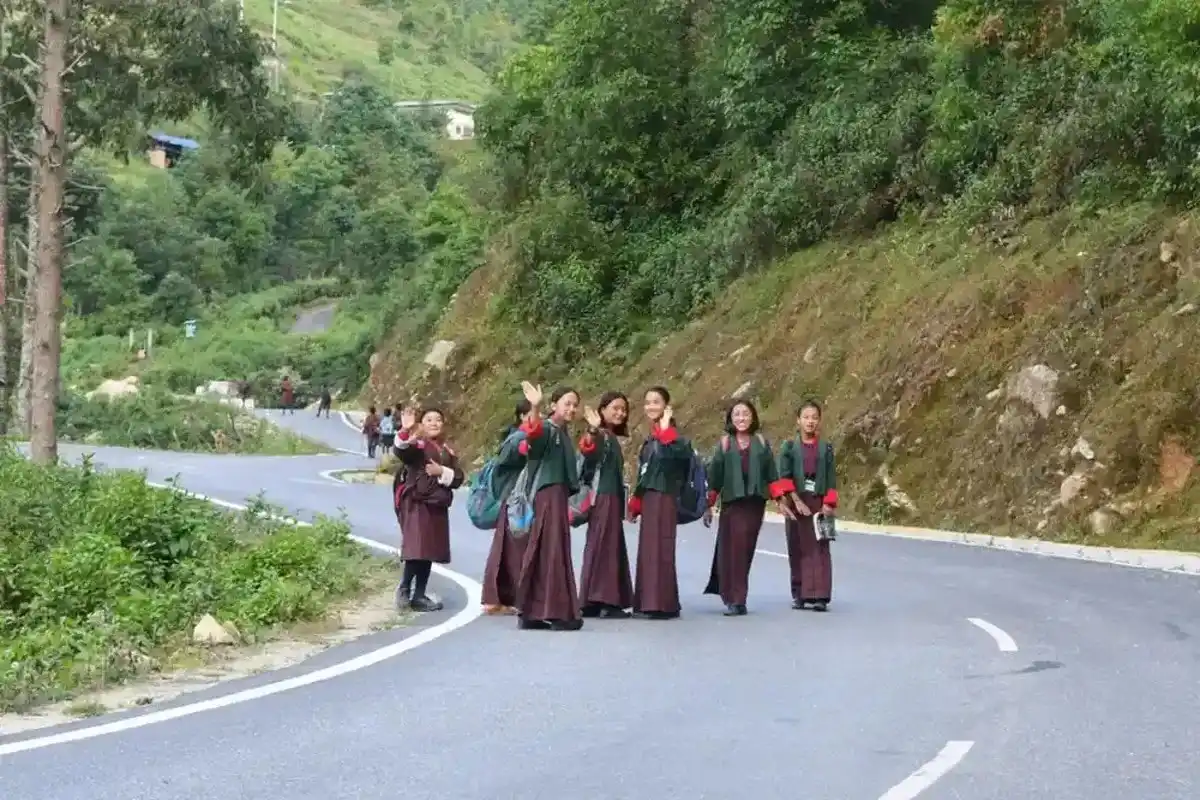
Solo travel in Bhutan looks different from solo travel almost anywhere else. Every visitor arrives with a private guide and driver by law. That structure removes much of the usual loneliness of traveling alone. A homestay adds another layer of warmth to that structure. Instead of a hotel room, you sleep under a family's own roof. You share meals, chores, and conversation with people who actually live there.
This guide explains how Bhutanese homestays work for solo travelers. It covers costs, regions, comfort levels, and how to book one properly. By the end, you should know if this style of stay fits your trip.
What Is a Bhutanese Homestay
A Bhutanese homestay is a private home certified by the Tourism Council of Bhutan. Certification requires private guest rooms, proper bedding, and reliable heating. Hosts must also provide access to a modern, western style bathroom. Basic hygiene and safety standards are inspected before any home receives formal approval.
The formal homestay program grew rapidly after its launch in 2017. More than 150 certified homestays now operate across the country. Many sit in farming villages where hotels are limited or absent entirely. Rates typically run between 40 and 80 US dollars per night. That price usually includes three home cooked meals a day. Costs vary by region, season, and the specific comforts each home offers.
Many of these homestays are run by women who manage both farm and guest duties. Hosting supplements farm income during quieter agricultural months. It also helps preserve traditional skills like weaving, cooking, and woodworking.
Why Homestays Suit Solo Travelers Especially Well
Solo travelers sometimes worry about eating alone or having no one to talk to. A Bhutanese homestay solves that problem almost automatically. You are seated at the family table, not tucked away in a corner. Because a private guide already accompanies every solo traveler, you are rarely truly alone. Add a homestay family, and you gain a second layer of company each evening. Conversations often continue late by the wood stove.
Bhutan also has a strong reputation for safety among solo and female travelers. Violent crime is rare, and rural communities are typically close knit and watchful. Many homestay hosts have specifically welcomed solo women for years. Meals, routines, and daily chores also give structure to an open ended solo day. Instead of deciding everything yourself, you simply join the household rhythm. That structure can feel like a relief after weeks of independent decisions.
Best Regions for a Homestay Experience
Homestays exist across Bhutan, but a few regions stand out for solo travelers. Haa Valley remains one of the least visited valleys in the country. Homestay hosts here often keep yaks and tend barley fields. Guests can help with yak herding or walk to the Lhakhang Karpo and Nagpo temples.
Phobjikha Valley, also called Gangtey, links homestays to conservation efforts. This valley is the main wintering ground for the endangered black necked crane. Staying with a local family here supports both tourism and habitat protection. Bumthang offers some of the most established community homestays in Bhutan. In villages like Nasiphel, families live in stone, clay, and timber farmhouses. Evenings often involve butter tea and biscuits beside a wood burning stove.
Eastern districts like Trashigang and Lhuentse feature many women led homestays. Hosts here often weave textiles or farm terraced hillsides for a living. Staying overnight supports household income in one of Bhutan's quieter regions. Merak and Sakteng, home to the semi nomadic Brokpa people, opened to tourism in 2010. This yak herding community wears a distinctive felt hat with trailing tendrils. A homestay here offers a rare look at a genuinely nomadic lifestyle.
Nabji and Korphu, in Trongsa, pioneered community based tourism in Bhutan. This low altitude trekking route passes through Monpa villages near ancient forests. Golden langurs and rufous necked hornbills are often spotted along the trail.
Best Time of Year for a Homestay Visit
Spring, from March to May, brings blooming rhododendrons and mild temperatures. Farm activity picks up too, giving guests more hands on garden work. This season suits travelers who enjoy active, outdoor filled days. Autumn, from September to November, remains Bhutan's most popular travel season overall. Skies stay clear, and many villages host their annual Tshechu festivals nearby. Homestay hosts often invite guests along to join local celebrations.
Winter, from December to February, offers a quieter and more intimate homestay experience. Fewer travelers means more personal attention from your host family. Evenings by the wood stove feel especially cozy during colder months. Summer, from June to August, brings monsoon rains and occasional road disruptions. Farming villages turn lush and green, which some travelers find beautiful. Expect muddier trails and a generally slower pace during these months.
A Day in the Life of a Homestay Guest
Mornings usually begin early, often with roosters and the smell of woodsmoke. Many households recite morning prayers before starting daily farm chores. Guests are frequently invited to join, though never pressured to participate. Breakfast might include red rice, eggs, and salty butter tea called suja. Afterward, hosts often welcome help in the kitchen garden or nearby fields. Picking vegetables for dinner is a common, hands on activity for guests.
Afternoons vary depending on the region and season of your visit. Some hosts offer short hikes to nearby temples or viewpoints. Others teach basic weaving, dough making, or traditional archery instead. Evenings frequently end with a hot stone bath called dotsho. River stones are heated over fire, then placed in a wooden tub. Artemisia leaves are added for their scent and believed healing properties.
Dinner is usually a shared, home cooked meal eaten around a low table. Rice, red or white, forms the base of most Bhutanese meals. Ema datshi, a spicy chili and cheese dish, appears at nearly every table.
What to Expect: Comfort Level and Facilities
Homestay rooms are generally simple, clean, and privately assigned to guests. Bedding is provided, and most certified homes include proper heating. Do not expect hotel level luxury, since the experience is intentionally rustic. Bathrooms may be private or shared, depending on the specific household. Certification rules require a functioning western toilet at minimum. Hot water is usually available, though pressure and timing can vary.
Wifi and mobile signal grow patchy once you leave larger towns. Download offline maps, books, or music before heading into remote valleys. Treat any lack of connectivity as part of the intended slower pace. Meals are home cooked using local, often homegrown ingredients. Vegetarian and mild spice options are usually available with advance notice. Mention dietary needs to your guide before arriving at each homestay.
Booking a Homestay Through Your Tour Operator
Bhutan requires nearly all international visitors to book through a licensed tour operator. This rule applies equally to solo travelers, couples, and larger groups. Independent, unguided travel is not permitted for most foreign nationals. Your guide and operator arrange homestay bookings as part of your itinerary. You cannot typically book a certified homestay directly online yourself. Mention early that you want homestay nights when planning your trip.
The Sustainable Development Fee applies regardless of your accommodation choice. As of 2026, this fee runs at 100 US dollars nightly. Choosing homestays over hotels can still meaningfully reduce your overall accommodation costs. Solo travelers often pay more per day than group travelers overall. Guide and vehicle costs are not split among multiple people. A homestay can help balance that extra cost with genuinely lower lodging fees.
Book homestay heavy itineraries early, especially in popular valleys like Phobjikha. Rural homes have limited rooms and cannot always accommodate last minute changes. Give your operator several weeks of notice whenever possible.
Practical Tips for Solo Travelers Choosing a Homestay
Bring a small gift, such as school supplies or packaged snacks. Hosts rarely expect anything, but the gesture is warmly appreciated. Avoid anything overly expensive, since simplicity fits the spirit of the visit.
Dress modestly, and always ask before photographing people or private rituals. Remove your shoes when entering any home, exactly as locals do. Small gestures of respect go a long way in rural communities.
Learn a few basic phrases in Dzongkha or the local dialect beforehand. Even simple greetings noticeably deepen the warmth of a homestay welcome. Your guide can teach you useful phrases during the drive.
Pack warm layers, since many homestay villages sit at higher altitudes. Evenings can turn cold quickly, even during otherwise mild days. A flashlight or headlamp also helps, since lighting can be minimal at night.
Is a Homestay Right for Every Solo Traveler
Homestays suit travelers who value connection over polish and predictability. If constant hot showers and plush bedding matter most, hotels remain the safer choice. Most itineraries can mix both styles across a single trip. Consider starting with one or two homestay nights rather than an entire trip. This lets you test the experience without fully committing upfront. Many solo travelers end up requesting more homestay nights afterward.
Discuss your comfort priorities honestly with your tour operator during planning. A good operator will match homestays to your energy level and interests. There is no wrong answer, only the right balance for you.
Frequently Asked Questions
1. Do I need a tour operator to book a Bhutan homestay?
Yes, nearly all international visitors must book through a licensed operator. Your guide arranges homestay stays as part of your approved itinerary. Independent direct bookings are not typically available to foreign travelers.
2. How much does a homestay in Bhutan typically cost?
Rates usually range between 40 and 80 US dollars per night. This generally includes three home cooked meals each day. The Sustainable Development Fee is charged separately from this accommodation cost.
3. Is a Bhutan homestay safe for a solo female traveler?
Yes, Bhutan is widely regarded as safe for solo female travelers. Many homestays are women led and experienced with hosting solo guests. A licensed guide also accompanies you throughout the entire trip.
4. What is the difference between a homestay and a farmstay?
The terms are often used interchangeably across Bhutan's tourism industry. Most certified homestays are working farmhouses in rural, agricultural villages. Expect farm chores, kitchen gardens, and livestock as part of daily life.
5. Do Bhutanese homestay hosts speak English?
Certification requires hosts to speak satisfactory conversational English. Fluency levels vary, so your guide often helps translate deeper conversations. Basic daily communication is usually possible without any real difficulty.
6. Which regions offer the best homestay experience for solo travelers?
Haa Valley, Bumthang, and Phobjikha are excellent, accessible starting points. Merak and Sakteng suit travelers wanting a more remote, nomadic experience. Choose based on your comfort level and available trip duration.
7. What should I pack for a Bhutan homestay stay?
Pack warm layers, a flashlight, and any personal toiletries you prefer. Bring a small gift and comfortable clothing suitable for modest dress. A reusable water bottle and basic first aid kit are also useful.
8. Can solo travelers request a specific homestay family?
Sometimes, especially if a previous traveler or guide recommends a household. Most bookings, though, depend on availability within your chosen region. Discuss preferences early so your operator can try to accommodate them.