
Travelers searching for a genuine connection to deep-rooted Himalayan traditions often find themselves comparing different itineraries, but few journeys match the depth of the 9-Day Haa Festival Tour. When it comes to discovering the true soul of the Dragon Kingdom, evaluating why the 9-Day Haa Festival Tour Is Bhutan's Most Authentic Cultural Experience helps you see beyond standard sightseeing. While popular festivals in Paro and Thimphu attract large crowds, the remote Haa Valley offers a rare window into the preservation of old-world lifestyle, nomadic customs, and sacred rituals. This specialized itinerary developed by
The concept of authentic travel is often overused, but in the context of the Haa Valley, it is an absolute reality. Tucked away in the westernmost corner of Bhutan, bordering Tibet, the region is characterized by pristine alpine forests, dramatic mountain ridges, and a local community that continues to live in harmony with ancient traditions. Choosing the
The Unique Appeal of the Untouched Haa Valley
To understand why this specific journey holds such cultural value, one must look at the geography and history of the Haa Valley. For generations, high mountain passes isolated this region from the rapid expansion of tourism. This geographical isolation protected the local lifestyle from modern dilution. While other districts adapted quickly to accommodate large numbers of global visitors, Haa maintained its quiet, pastoral charm, where neighbors know each other and the ancient lifestyle remains completely intact.
The valley is the ancestral home of nomadic herders known as the Layaps and more localized pastoralists who depend heavily on yak and cattle rearing. Their daily routines, songs, folklore, and religious beliefs are deeply tied to the natural world. On this nine-day journey, you do not just observe this lifestyle from a distance; you experience it directly as you walk through traditional villages, visit old farmhouses, and interact with families whose hospitality is as warm as it is genuine.
A Deep Dive into the Annual Haa Summer Festival
The absolute highlight of this travel itinerary is the Haa Summer Festival, a vibrant, lively celebration of the valley’s nomadic and traditional culture. Unlike the larger autumn festivals which focus almost exclusively on monastic dances, the summer festival in Haa highlights the daily lives, skills, and living heritage of the local people. It provides a rare platform where nomadic traditions are kept alive through community participation.
Traditional Sports and Skills Showcase
During the festival, the fields come alive with energy as locals participate in ancient sports. You will witness intense archery competitions, where participants shoot at tiny targets placed at incredible distances, accompanied by traditional singing and celebratory dancing for every successful hit. Alongside archery, men compete in Khuru (heavy lawn darts), Soksum (javelin throwing), and Pungdo (shot put using heavy natural stones). Watching these competitive events provides a vivid look into the physical culture and community spirit that has defined Bhutanese masculinity and camaraderie for centuries.
The Culinary Heritage of the High Valleys
Food is a fundamental pillar of cultural identity, and the Haa Summer Festival offers an unparalleled culinary journey. Due to the high altitude, the agricultural profile of Haa is completely different from the rest of Bhutan. The valley is famous for its hearty, unique dishes. During the festival, you can sample Hoentey, which are delicious traditional dumplings made from savory buckwheat dough stuffed with local turnip leaves, wild mushrooms, cheese, and a blend of local herbs. You will also learn about the processing of yak cheese and butter, and perhaps try a cup of traditional butter tea, a comforting drink perfectly suited for the crisp mountain climate.
Unveiling Pre-Buddhist Shamanistic Rituals
Bhutan is globally renowned as the last stronghold of Mahayana Buddhism, but beneath the surface of monastic traditions lies a fascinating layer of pre-Buddhist history. Before Buddhism arrived in the 8th century, the people practiced Bon, an animistic religion centered on the worship of nature spirits, local deities, and sacred landscapes. In the isolated Haa Valley, these ancient Bon rituals did not disappear; instead, they beautifully merged with Buddhist practices.
During the festival and throughout the valley's sacred spaces, you will observe rituals dedicated to the guardian deities of the valley, particularly Ap Chundu, the powerful protector spirit of Haa. Local elders and shamans perform specific invocations and offerings to ensure favorable weather, healthy livestock, and prosperous crops. Experiencing these traditions firsthand gives you a multi-dimensional understanding of Bhutanese spirituality that goes far beyond what regular historical textbooks can offer.
A Comprehensive Look at the Nine-Day Itinerary
A well-planned journey requires a balanced structure to allow proper acclimatization, historical discovery, and deep cultural immersion. The structure of this nine-day journey is designed to connect the famous landmarks of Western Bhutan with the deep cultural exploration of the Haa Valley.
Day 1 and 2: Arrival in Paro and Transition to Thimphu
Your journey begins with a memorable flight into Paro, offering stunning views of the high Himalayan peaks. Upon arrival, you transition to the capital city of Thimphu. This initial phase is crucial for acclimating to the high altitude while introducing you to the country's unique mix of modern life and old traditions. In Thimphu, you will explore the impressive Tashichho Dzong, the National Memorial Chorten, and the massive Buddha Dordenma statue that overlooks the entire valley.
Day 3 and 4: Exploring the Heritage of Thimphu
Dedicated to exploring the cultural institutions of the capital, these days include visits to the National Library, the Institute for Zorig Chusum (where students train in the thirteen traditional arts and crafts), and the Folk Heritage Museum. These visits give you a foundational understanding of the artistic and architectural rules that shape everything you will later see in the remote villages of Haa.
Day 5 and 6: Crossing Chele La Pass into the Haa Valley
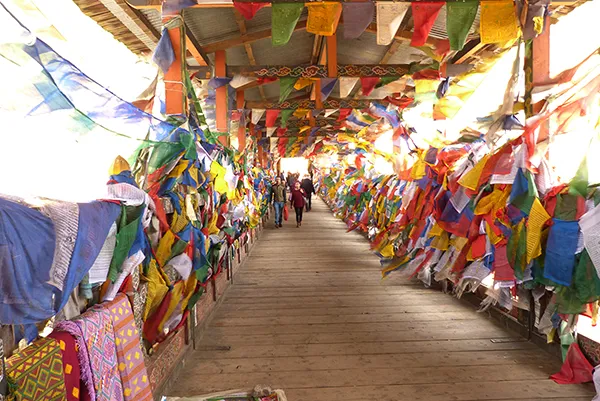
The journey to Haa is a spectacular adventure in itself. Travel across the famous Chele La Pass, which stands at an elevation of nearly 3,988 meters, making it the highest drivable pass in Bhutan. On a clear day, the pass offers breathtaking views of Mount Jomolhari and Jichu Drake. The ridges are adorned with hundreds of colorful prayer flags fluttering in the mountain wind. Descending into the pristine Haa Valley, the atmosphere changes instantly to deep tranquility. You spend these days fully immersed in the Haa Summer Festival, interacting with local families, exploring farmhouses, and watching the lively cultural performances.
Day 7 and 8: Return to Paro and the Sacred Tiger’s Nest Hike
Leaving Haa, you return to Paro to complete your cultural pilgrimage. No journey to Bhutan is truly complete without visiting the iconic Taktsang Monastery, widely known as the Tiger’s Nest. Perched precariously on a sheer cliff face 900 meters above the valley floor, this sacred site is where Guru Rinpoche is said to have flown on the back of a tigress to meditate in the 8th century. The rewarding hike through beautiful pine forests filled with hanging moss is a profound spiritual and physical experience that perfectly complements your time in Haa.
Day 9: Departure from Paro
As you board your flight out of Paro, you carry away a deep collection of memories, a renewed perspective on slow living, and a profound appreciation for a culture that chooses preservation over commercial exploitation.
The Architectural Marvels of Haa: Lhakhang Karpo and Lhakhang Nagpo
Let's look past the festive celebrations to find the deep spiritual significance marked by ancient architectural gems. At the foothills of the sacred three sister hills (Meri Puensum) lie two of the oldest temples in Bhutan: Lhakhang Karpo (The White Temple) and Lhakhang Nagpo (The Black Temple).
According to local history, these temples were built in the 7th century by the Tibetan King Songtsen Gampo as part of a grand plan to build 108 temples across the Himalayan region to subdue a massive demoness. Lhakhang Karpo serves as the primary monastic seat in Haa, showcasing grand courtyards, detailed woodwork, and stunning murals that tell stories of Buddhist masters. The smaller Lhakhang Nagpo, built over a sacred underground lake, holds a mysterious, deeply spiritual energy. Visiting these quiet temples away from mainstream tourist trails allows for quiet contemplation and an authentic connection with centuries of continuous religious devotion.
Why Traveling with an Expert Local Agency Matters
Navigating remote regions like the Haa Valley requires detailed logistical planning, deep local relationships, and an intimate understanding of community dynamics. As a leading bhutan tour and travel company, Orrog is fully dedicated to managing every detail of your journey with complete professionalism and care. Our deep connections within the Haa community grant our guests respectful access to authentic home visits, local interactions, and expert commentary that typical tours cannot provide.
We ensure that your journey supports sustainable tourism practices, benefiting the actual community members who preserve these invaluable traditions. From securing comfortable accommodations to providing seasoned, bilingual local guides who share the personal stories behind the rituals, we transform a great vacation into a smooth, life-changing journey. If you are ready to plan your travel itinerary or have questions about festival dates and travel permits, please call us at +975 17160228 or email our team directly at [email protected] to start your customized exploration.
Essential Travel Tips for Your Haa Valley Adventure
To maximize your enjoyment and comfort during this immersive cultural tour, keeping a few practical tips in mind is highly beneficial:
Prepare for Temperature Changes: The weather in Haa can change rapidly. Even in the summer, mornings and evenings can be quite cool, while afternoons can be warm. Packing layers, including a windproof and waterproof jacket, is highly recommended.
Respect Local Etiquette: When visiting temples and attending the festival, dress conservatively. Ensure your shoulders and knees are fully covered. Always ask for permission before taking close-up photographs of local people, monks, or religious alters.
Stay Hydrated and Paced: The high altitude of the valley means you should drink plenty of water and allow your body to adjust naturally. Avoid overexertion during the first few days of the trip.
Embrace Minimalist Comfort: Accommodations in Haa lean toward charming heritage lodges and traditional farmhouses rather than massive luxury resorts. Embrace this as an essential part of the authentic rural experience.
Frequently Asked Questions About the Haa Valley
When does the Haa Summer Festival take place? The Haa Summer Festival typically takes place in July or August, depending on the Bhutanese lunar calendar. It is precisely scheduled during the peak summer season when the alpine meadows are lush, green, and filled with vibrant wildflowers.
How difficult is the drive from Thimphu or Paro to Haa? The drive is highly scenic but involves navigating winding mountain roads. The journey from Paro via the Chele La Pass takes around 2.5 to 3 hours, offering spectacular views of the valleys below. The roads are paved but require careful driving by experienced local drivers.
Can I experience a traditional farmhouse stay in Haa? Yes, experiencing a traditional farmhouse stay is one of the top cultural highlights in Haa. It allows travelers to share meals with a Bhutanese family, try authentic home-cooked dishes, and enjoy a traditional hot stone bath heated with fire-roasted river stones.
What should I pack specifically for the Haa festival tour? We recommend packing modest clothing, sturdy walking or hiking shoes for village walks, a high-quality camera, sun protection (hat and sunscreen), and warm layers for the cool mountain mornings and evenings.
Is the Haa Valley suitable for older travelers or families? Yes, the itinerary is perfectly suitable for travelers of all ages. While the valley is at a higher elevation, the activities can be customized to match your physical comfort level, balancing gentle village walks with comfortable vehicle transfers. Why the 9-Day Haa Festival Tour Is Bhutan's Most Authentic Cultural Experience.