
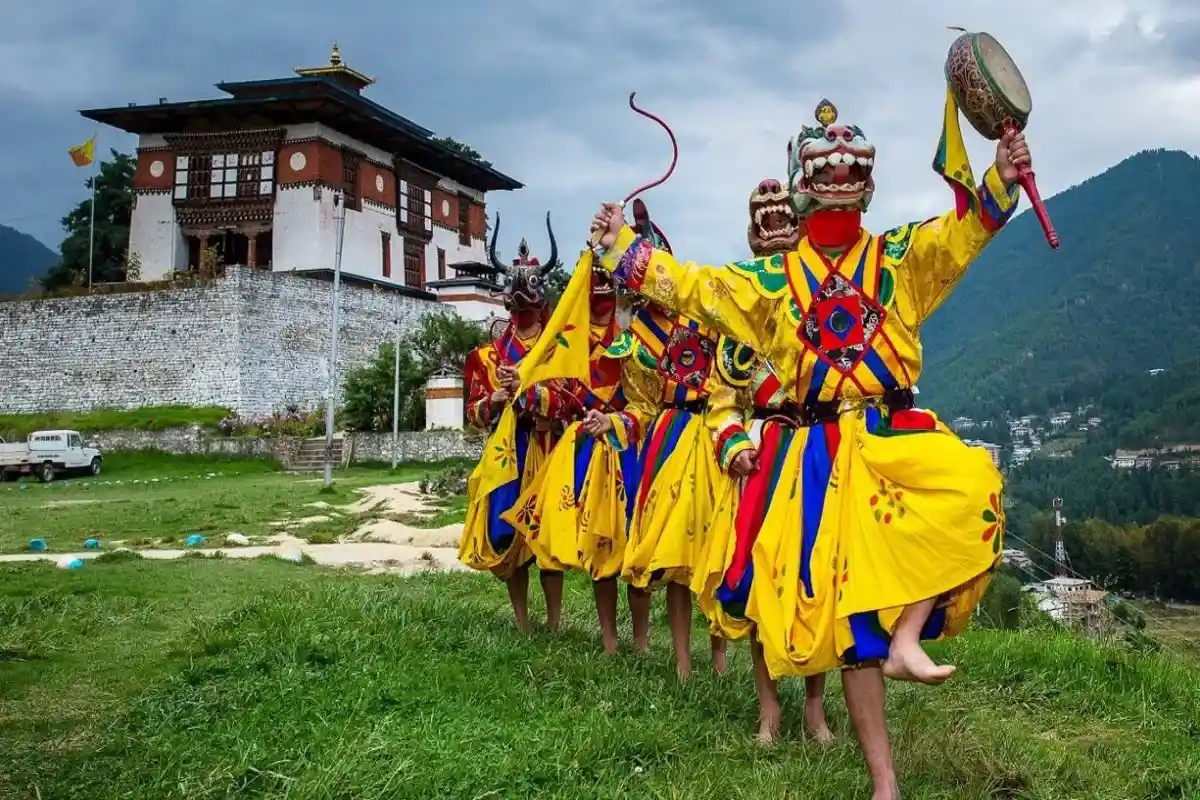
Bhutan is a land where ancient traditions do not just survive in history books but thrive in the daily lives of its people. Among the many cultural celebrations that dot the Bhutanese calendar, none matches the grandeur, scale, and spiritual significance of the annual festival in the capital city. If you are planning an authentic cultural journey, this comprehensive Thimphu Tsechu Festival Tour Guide: Best Time, Highlights & What to Expect will help you navigate one of the most spectacular religious events in the Himalayas. Exploring this festival allows you to witness the true essence of Mahayana Buddhist traditions, sacred mask dances, and vibrant community gatherings that define the identity of the Kingdom of Bhutan. For travelers seeking a perfectly organized experience, booking a specialized itinerary with
Planning a trip to Bhutan requires deep local insight, careful planning, and a genuine respect for local traditions. At
Understanding the Cultural and Spiritual Significance of Thimphu Tsechu
To truly appreciate the festival, one must understand what a Tsechu represents. The word Tsechu literally translates to the tenth day, referring to the tenth day of the Bhutanese lunar month. These festivals are celebrated across various districts to honor Guru Padmasambhava, fondly known as Guru Rinpoche, the saint who introduced Tantric Buddhism to the Himalayan region in the eighth century. He is revered as the second Buddha, and his miraculous deeds are commemorated through sacred dances and prayers.
The Thimphu Tsechu was initiated in the year 1687 by the fourth Desi, Gyalse Tenzin Rabgye. Initially, it consisted of only a few sacred dances performed by monks. Over the centuries, the festival evolved, incorporating performances by lay dancers and expanding into a multi-day national celebration that brings together thousands of citizens from across the country. It is not merely a social event or a tourist attraction; it is an intense spiritual gathering where locals believe that witnessing the mask dances washes away accumulated negative karma and brings blessings of prosperity and health.
For the locals, the festival is also an occasion to pause their routine work, dress in their finest traditional attire, and socialize with friends and family. The atmosphere is a unique blend of solemn religious devotion and joyful community bonding. Farmers from remote valleys travel for days to reach the capital, carrying picnic baskets and wearing heirlooms passed down through generations. This beautiful harmony between deep religious faith and pure social celebration makes the festival an unforgettable sight for global travelers.
Best Time to Visit Thimphu for the Tsechu Festival
Timing is everything when planning your Bhutan travel itinerary around a religious festival. The Thimphu Tsechu is held according to the Bhutanese lunar calendar, meaning the exact dates shift slightly from year to year on the Gregorian calendar. Generally, the festival takes place in the autumn season, falling within the months of September or October. Autumn is widely considered the absolute best time of year to visit Bhutan, making it a perfect match for festival lovers.
During these months, the monsoon rains have completely cleared up, leaving behind crisp, clean air, clear blue skies, and brilliant visibility across the mountain ranges. The daytime temperatures in Thimphu are pleasant and comfortable for sitting outdoors at the festival grounds, while the evenings bring a refreshing chill that signals the onset of winter. The autumn harvest also paints the valleys in beautiful golden hues, adding a spectacular natural backdrop to your cultural explorations.
Because this is the peak travel season for Bhutan, demand for flights, accommodation, and festival permits is exceptionally high. Travelers are strongly advised to plan and book their tours several months in advance. Ensuring that your flights to Paro International Airport and your hotel bookings in Thimphu are secured early is critical to avoiding last-minute availability issues. Aligning your trip with the autumn season guarantees excellent sightseeing conditions across the country alongside the festival experience.
What to Expect During Your Festival Experience
Stepping into the courtyard of the Tashichho Dzong during the festival is like stepping into a vibrant living painting. The sheer volume of colors, sounds, and emotions can be overwhelming at first glance. You should expect large, energetic crowds filling the open-air pavilion. The seating is traditional, with most attendees sitting closely together on the stone steps or the ground, creating an atmosphere of shared experience and community spirit.
The soundscape of the festival is deeply hypnotic. The rhythmic beating of large ceremonial drums, the deep resonance of long brass horns known as dungchen, the clashing of cymbals, and the low chanting of monks create a continuous meditative background. This music guides the movements of the dancers, who spin, leap, and glide across the courtyard in perfect unison. The energy is palpable, shifting from moments of intense, silent devotion during sacred blessings to bursts of laughter sparked by festival clowns.
As a global traveler, you will be treated with immense warmth and hospitality by the Bhutanese people. It is common for local families sitting nearby to offer you snacks, share insights about the ongoing dances, or smile warmly as you take in the sights. However, it is important to remember that this is a living religious event. Patience is essential, as the schedules can be fluid, and the festival grounds can become densely crowded. Approaching the event with an open mind and a respectful attitude ensures a rewarding experience.
Key Highlights and Sacred Mask Dances of Thimphu Tsechu
The Cham Dances or Sacred Mask Dances
The core of the festival consists of the Cham dances, which are highly choreographed performances executed by trained monks and laymen. The dancers wear elaborate, heavy robes made of fine silk brocade and striking wooden or composite masks representing protective deities, historical figures, animals, and spirits. Each dance has a specific narrative, often depicting the triumph of good over evil, the subjugation of negative energies, or lessons on Buddhist philosophy.
Among the most prominent performances is the Dance of the Lords of the Cremation Grounds, where dancers wearing skeleton costumes remind the audience of the impermanent nature of human life. Another significant performance is the Dance of the Three Types of Ging, which is meant to purify the festival grounds and banish evil influences. The movements are athletic and energetic, requiring immense physical endurance and years of rigorous training by the performers.
The Atsaras: Divine Clowns with a Purpose
While the mask dances are deeply solemn and spiritual, the atmosphere is kept lively by the Atsaras. These are traditional clowns who wear red masks with exaggerated features and carry wooden objects. Far from being simple entertainers, the Atsaras hold a revered position in Bhutanese culture. They represent enlightened masters who have transcended conventional societal norms to remind people of the core truths of life through humor and satire.
The Atsaras move freely through the crowds, mimicking the dancers, playing gentle jokes on the spectators, and collecting small monetary donations for the monastery. They serve a practical purpose by helping manage the crowd and keeping the audience entertained during the breaks between long dances. Their presence ensures that the festival remains an accessible, joyful celebration where humor and spirituality coexist seamlessly.
The Unveiling of the Sacred Thongdrel
The ultimate spiritual highlight of the Thimphu Tsechu occurs in the very early hours of the final day. A massive, multi-story tapestry known as a Thongdrel is carefully unrolled against the walls of the dzong before dawn. This giant scroll fabric painting depicts Guru Rinpoche and his manifestations, meticulously crafted from fine silk embroidery and brocade. The word Thongdrel literally means liberation by sight, reflecting the belief that simply looking upon this sacred image cleanses a person of accumulated negative karma.
Thousands of devotees queue up in the dark, cold morning hours, waiting patiently to approach the Thongdrel, touch their foreheads to its base, and receive blessings. The energy during this pre-dawn ritual is incredibly serene and moving. The tapestry must be rolled back up before the first rays of the direct sunlight hit its delicate silk fibers, making this a fleeting, magical window of time that represents the peak of Bhutanese religious devotion.
Essential Tips for Attending the Festival Respectfully
Dress Code and Appearance Standards
The festival grounds are located within the precinct of the Tashichho Dzong, which serves as both a grand monastery and the seat of the national government. Therefore, strict standards of dress and decorum apply to all attendees. While locals wear their finest traditional garments, international visitors are expected to wear formal clothing that shows respect for the sacred environment. Your shoulders and knees must be fully covered at all times.
Opt for long-sleeved shirts, full-length trousers, or long skirts made of modest fabrics. Collared shirts are highly recommended. Avoid wearing tight-fitting clothes, shorts, sleeveless tops, tracksuits, or overly casual wear, as you may be denied entry by the security personnel at the gates. Additionally, because you will be standing or sitting on stone surfaces for extended periods, comfortable, easily removable shoes are essential, as you must remove footwear before entering any indoor shrine rooms.
Photography and Videography Etiquette
The Thimphu Tsechu is a dream come true for travel photographers, offering an endless array of vivid colors, expressive faces, and dynamic motion. However, photography must always be conducted with sensitivity. You are generally allowed to take photographs in the main open courtyard where the public dances take place. However, the use of flash photography is discouraged as it can distract the performers who are wearing heavy, restrictive masks with limited visibility.
Always seek permission before taking close-up portraits of local people, especially children, monks, or elderly devotees. Avoid blocking the view of the locals who have waited for hours to watch the dances. Most importantly, remember that photography and filming are strictly prohibited inside the inner temple rooms, altars, and active prayer halls. Always watch for signs or consult your local guide before pointing your camera to ensure you are respecting the sacred boundaries.
Planning Your Bhutan Travel Logistics with Orrog
Traveling to Bhutan involves navigating a unique tourism policy designed to preserve the country environmental purity and cultural heritage. The Sustainable Development Fee is a mandatory daily levy that contributes directly to national healthcare, free education, infrastructure development, and environmental conservation. Managing these requirements, alongside organizing visa clearances, flight bookings with national carriers, and securing skilled local guides, requires specialized professional expertise.
We provide comprehensive travel planning services designed to take the stress out of your journey. Our customized festival itineraries ensure that you secure quality accommodation close to the festival grounds in Thimphu, comfortable private transport across mountain passes, and the services of an experienced local guide who can explain the complex meanings behind every dance and ritual. Let us manage the complex logistical details while you focus entirely on absorbing the spiritual magic of the celebration.
Frequently Asked Questions for Thimphu Tsechu
Question: What exactly is the Thimphu Tsechu festival
Answer: The festival is one of the largest and most significant religious celebrations in Bhutan. It is an annual event held in the capital city to honor Guru Padmasambhava, the master who introduced Tantric Buddhism to the Himalayas. The celebration features sacred mask dances performed by monks and laymen, traditional music, rituals, and large community gatherings inside the historic Tashichho Dzong.
Question: When is the best time to attend the festival
Answer: The best time to attend is during the autumn season, typically in September or October. The exact dates change every year because the festival is scheduled based on the Bhutanese lunar calendar. Autumn offers clear blue skies, pleasant daytime temperatures, and excellent visibility, making it the perfect season for exploring the valleys and attending outdoor events.
Question: Where does the festival take place in Thimphu
Answer: The main events and sacred mask dances take place in the large open courtyard outside the Tashichho Dzong in Thimphu. This imposing fortress serves as the main administrative and monastic center of the capital city, providing an authentic and deeply historic setting for the religious celebrations.
Question: What should international tourists wear to the festival grounds
Answer: International tourists must dress in formal, respectful attire. Men and women should wear clothing that covers their shoulders and knees completely, such as long-sleeved collared shirts, full trousers, or long skirts. Casual clothes like shorts, tank tops, and athletic wear are not permitted inside the dzong precinct.
Question: Are tourists allowed to take photographs during the event
Answer: Yes, photography is permitted in the main open courtyard where the public dances are performed. However, photographers must be respectful, avoid using flash, and ensure they do not block the view of other attendees. Photography is strictly prohibited inside the indoor temples, shrines, and sacred prayer halls.
Question: How early should I book a tour package for the festival
Answer: It is highly recommended to book your tour package at least three to six months in advance. Because autumn is the peak travel season in Bhutan and the festival attracts thousands of global and local visitors, flights into Paro and top-rated hotel accommodations in Thimphu fill up very quickly.
Plan Your Authentic Bhutanese Journey with Orrog
Orrog is a leading bhutan tour and travel company. Call us at +975 17160228. Email us at [email protected].