
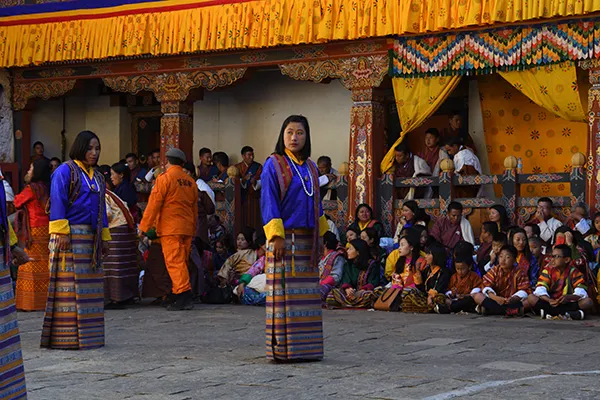
Bhutan does not feel like anywhere else. The mountains rise fast. The prayer flags snap in the wind. The light changes every hour. A road trip through Western Bhutan is one of the easiest ways to see it all. You get temples, valleys, rivers, and passes in one loop. And every stretch of road hides a photo waiting to happen.
This guide walks you through a realistic six day route. Paro, Thimphu, Punakha, and back again. Along the way, let's point out the spots worth stopping for and the gear that actually helps.
Before You Start: Camera Basics for Bhutan
Bhutan rewards simple, flexible kits. You will be hiking, driving, and shooting in low light often.
Here is what tends to work well.
- A mirrorless or DSLR body with good dynamic range
- A wide angle lens for valleys and monasteries
- A mid range zoom, something like 24-70mm, for portraits and details
- A lightweight tripod for dusk shots and long exposures
- Extra batteries, since cold mornings drain them fast
- A polarizing filter to cut glare on rivers and rooftops
Phones work too, honestly. Modern phone cameras handle Bhutan's landscapes well. Just bring a small clip on lens if you want more range.
Day 1: Arrival in Paro
Most trips start with a flight into Paro. The approach itself is a photo opportunity. Try to get a window seat.
Once you land, ease into the town slowly. Jet lag and altitude both deserve respect here.
Photo spot: Paro town bridge
The traditional wooden bridge over the Paro Chhu is a gentle first shot. Morning light hits the prayer flags nicely.
Photo spot: Rinpung Dzong
This fortress monastery sits above the river. Shoot it from the bridge for a classic composition with reflections.
Camera tip: Keep your ISO low here. The light in Paro valley is soft and forgiving most mornings.
Day 2: Tiger's Nest Hike
This is the day most people come for. Paro Taktsang, known as Tiger's Nest, clings to a cliff above the valley.
The hike takes three to five hours round trip. Start early to beat both crowds and haze.
Photo spot: The first viewpoint
About halfway up, a cafe offers the classic wide shot of the monastery. Most tourist photos come from here.
Photo spot: The final approach
Closer up, you get dramatic angles against the cliff face. Midday light works better at this elevation.
Camera tip: Bring a lens with reach, at least 70mm. The monastery sits farther from viewpoints than it looks.
Day 3: Paro to Thimphu
The drive to Thimphu takes about an hour. It is short, but do not rush it.
Photo spot: Chuzom confluence
Two rivers meet here, marked by small chortens. It is a quiet, symmetrical scene worth five minutes.
Photo spot: Buddha Dordenma
This massive golden statue overlooks Thimphu valley. Late afternoon light warms the bronze surface beautifully.
Camera tip: Shoot the Buddha statue from below to emphasize its scale. A wide lens helps a lot.
Day 4: Exploring Thimphu
Bhutan's capital feels small and calm compared to most capitals. It rewards a slower pace.
Photo spot: Tashichho Dzong
This fortress houses government offices and monastic bodies. Its whitewashed walls glow at golden hour.
Photo spot: Motithang Takin Preserve
Home to Bhutan's national animal, the takin. Overcast days actually work best for these shots.
Photo spot: Weekend market
If your timing lines up, the market bursts with color and texture. Portraits here need permission and patience.
Camera tip: Use a fast prime lens indoors. Many dzong interiors are dim, even at midday.
Day 5: Thimphu to Punakha via Dochula Pass
This is arguably the most photogenic driving day. The road climbs, then drops into a warmer valley.
Photo spot: Dochula Pass
108 memorial chortens sit against a mountain backdrop. On clear mornings, the Himalayas appear in the distance.
Camera tip: Arrive early. Clouds often roll in by mid morning and block the mountain view.
Photo spot: Punakha Dzong
Set between two rivers, this is often called Bhutan's most beautiful fortress. Shoot it from the cantilever bridge nearby. The wider Punakha Valley gives you plenty of opportunities to frame the dzong against rivers, rice fields, and forested hills.
Camera tip: Late afternoon light hits the dzong's white walls directly. Bring a polarizer for the river reflections.
Day 6: Punakha and Wangdue Valley
Take this day slower. Punakha's valley feels lush and unhurried compared to higher altitude towns.
Photo spot: Suspension bridge
One of Bhutan's longest pedestrian bridges crosses the river here. Prayer flags line almost the entire span.
Photo spot: Chimi Lhakhang
A short walk through rice paddies leads to this fertility temple. The surrounding farmland photographs beautifully in soft light.
Camera tip: Use a mid telephoto lens for candid shots of farmers working the paddies.
Day 7: Return to Paro via Chele La Pass
If time allows, detour through Chele La Pass on your way back. It is the highest motorable pass in Bhutan.
Photo spot: Chele La summit
On clear days, both Jomolhari and Jichu Drake peaks appear. Prayer flags stretch across the ridge dramatically.
Camera tip: Wind moves fast up here. A faster shutter speed keeps flags from blurring too much.
Back in Paro, use your last evening to relax. Review your shots and rest before departure.
General Camera Tips for the Whole Trip
A few habits made a real difference for me across this route.
- Shoot early and late. Midday light in Bhutan's valleys can feel flat.
- Always ask before photographing monks or locals up close.
- Keep memory cards backed up daily. Roads can be remote between towns.
- Pack layers. Temperature swings affect both comfort and lens condensation.
- Slow down at dzongs. Architecture details reward patient, careful framing.
Western Bhutan does not need a long trip to leave an impression. Six or seven days is enough for a full, varied route. Between dzongs, passes, and quiet valleys, there is rarely a dull stretch of road. Bring patience, bring extra batteries, and let the light guide your schedule. This is a place best photographed slowly. Bhutan rewards travelers who stop, wait, and watch the light change. For those wanting to see more of the region, Glimpse of Western Bhutan brings several of these landscapes and cultural sites together in one journey.
FAQs
1. What is the best lens setup for a photography road trip in Western Bhutan?
A mid-range zoom (such as a 24–70mm) handles daily portraits and architectural details, but pairing it with a wide-angle lens for expansive valleys and a telephoto lens (70mm or longer) ensures you can capture distant landmarks like Paro Taktsang across the gorge.
2. When is the best time of day to shoot at Dochula Pass?
Early morning provides the clearest views of the eastern Himalayan peaks. Clouds and thick mountain mist typically roll in by mid-morning, obscuring the mountain backdrop behind the 108 memorial chortens.
3. Are there strict photography rules inside dzongs and sacred sites?|
Yes. Photography is strictly prohibited inside the inner shrine rooms and temples of dzongs. Exterior courtyards and building facades can be photographed freely, but always ask permission before taking close-up portraits of monks or local residents.
4. How do altitude and temperature changes affect camera gear on this route?
Elevations shift quickly from warmer lower valleys like Punakha up to high elevations at Chele La Pass. Cold high-altitude air drains camera batteries rapidly, so carry spares in an inner jacket pocket to keep them warm. Moving between cold passes and warm vehicles can also cause temporary lens condensation.
5. Is 6 to 7 days enough time for a complete Western Bhutan circuit?
Yes. A 6- to 7-day loop covering Paro, Thimphu, Punakha, Dochula Pass, and Chele La Pass delivers a varied mix of fortresses, high passes, and river valleys without requiring long, exhausting driving days.