
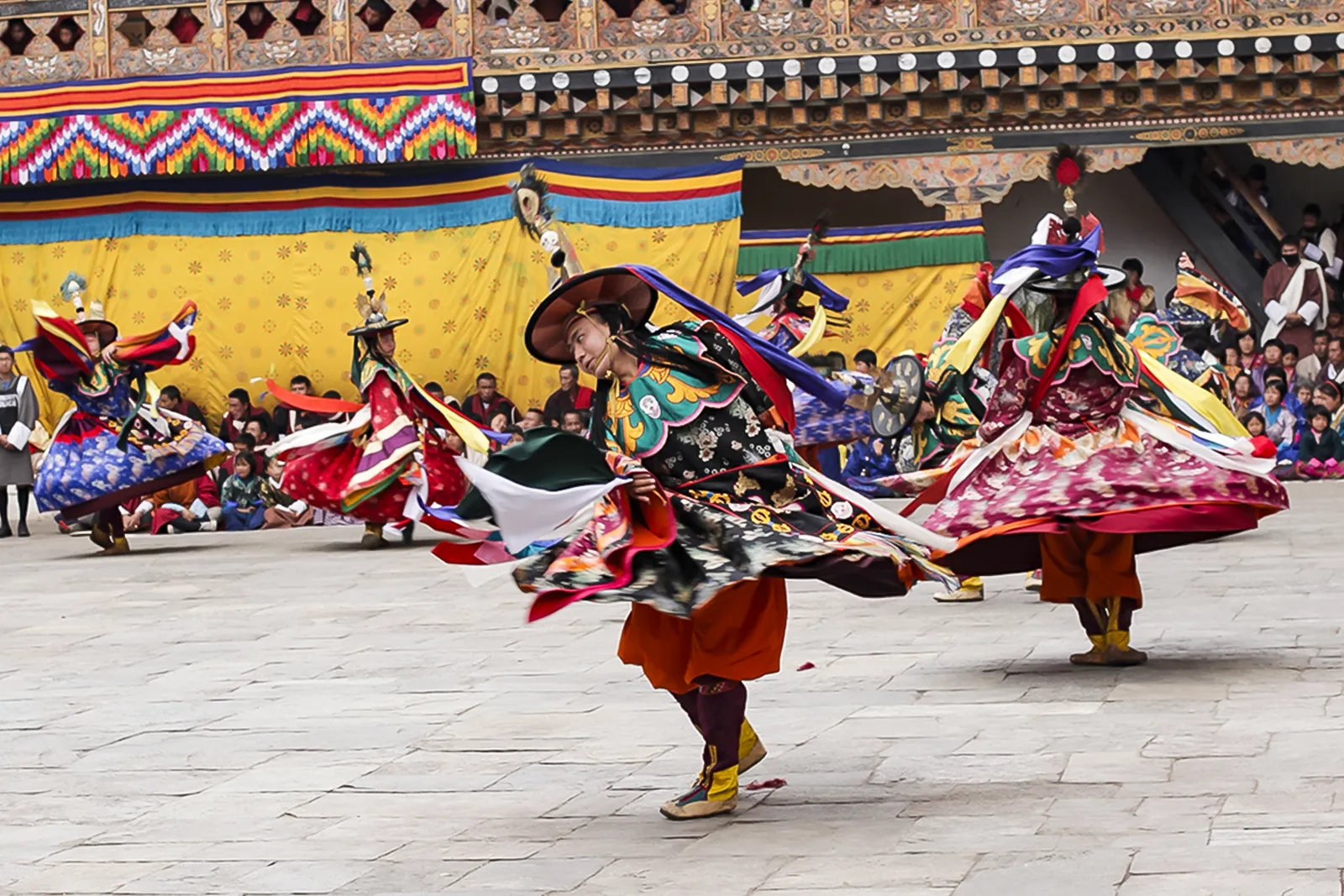
Travelers today often look for places that remain untouched by modern commercial shifts. They seek destinations where tradition is not an organized performance for tourists but a lived, daily reality. In the kingdom of happiness, the northern district of Gasa stands out as the ultimate frontier for this exact type of travel. While popular western valleys like Paro and Thimphu provide excellent introductions to the kingdom, it is a dedicated
Gasa is the largest and least populated district in the country, characterized by its dramatic landscapes ranging from subtropical forests to snow-capped Himalayan peaks. For a long time, geographical isolation preserved its distinct identity. Even today, entering this region feels like stepping into a different era altogether. This comprehensive deep dive details exactly why spending six days exploring the culture of Gasa stands as the most genuine travel experience you can find in Bhutan today, providing deep insights for travelers looking for meaningful exploration.
Understanding the Remoteness of Gasa District
To appreciate the cultural depth of Gasa, one must first understand its geographic and historical isolation. Tucked away in the far north, shared with the borders of Tibet, this region was historically accessible only by foot or animal transport through challenging mountain passes. The introduction of drivable roads is relatively recent, meaning the communities here have maintained their self-reliance, social structures, and cultural purity far longer than the rest of the country.
This isolation has fostered an environment where local myths, spiritual practices, and traditional architecture exist without external dilution. When you visit Gasa, you are not observing a culture preserved inside a museum; you are participating in a living lifestyle. The people of Gasa, known for their resilience and warm hospitality, continue to wear their traditional attire with immense pride, farm their ancestral lands using ancient methods, and revere the natural environment as the home of protective spirits.
The Power of a Structured Six Day Itinerary
A rushed trip to a destination like Gasa fails to capture its essence. A single day trip only scratches the surface, leaving travelers exhausted by the mountain roads without any real human connection. A six-day itinerary provides the perfect temporal balance, allowing travelers to slow down, acclimatize to the altitude, and truly sink into the local rhythm. This structured timeline gives you enough room to explore historical landmarks, engage in meaningful conversations with village elders, experience traditional wellness practices, and soak in the natural beauty without looking at your watch.
Day One and Day Two The Journey into High Altitudes and Initial Discovery
The journey begins with a scenic drive winding through deep river valleys and climbing high mountain passes. As the urban landscape of Thimphu or the lush green farmlands of Punakha fade away, the air becomes crisper and the forests turn into dense stands of pine and oak draped in Spanish moss. Passing through small settlements, travelers immediately notice the change in architectural nuances and the quieter rhythm of life.
Arriving in Gasa town, which sits beneath the watchful eye of the majestic peaks, the first two days focus on grounding yourself in the local environment. You will visit the core village settlements, observe the daily routines of the residents, and get accustomed to the clean alpine atmosphere. Walking along the stone paths of the village, you will see smoke drifting from traditional mud-brick and timber houses, where families prepare butter tea and gather around central hearths.
Day Three and Day Four Spiritual Immersion at Gasa Dzong and Local Shrines
The middle days of the journey are dedicated to exploring the spiritual foundations of the district. The Gasa Tashi Thongmon Dzong serves as the focal point of both administrative and religious life. Unlike the larger fortresses in major tourist hubs, this Dzong offers a quiet, deeply contemplative environment where the chanting of monks and the flutter of prayer flags are the primary sounds.
Beyond the fortress, the itinerary takes you along ancient walking trails to small, isolated meditation hermitages and village temples. Here, local caretakers share stories of Padmasambhava and Zhabdrung Ngawang Namgyal, bringing the rich spiritual history of the region to life through oral storytelling that has passed down through generations.
Day Five and Day Six Holistic Rejuvenation and Nomadic Interactions
The final part of the exploration shifts toward the famous therapeutic assets of the region and interaction with unique communities. The Gasa Tsachuka, or hot springs, located near the banks of the Mo Chhu River, offer a space for physical relaxation and cultural bonding, as locals from all over Bhutan travel here for their healing properties. The remaining time is spent understanding the lives of the high-altitude herders who descend to the valleys during specific seasons, providing a complete look at the human diversity of the region.
Gasa Tashi Thongmon Dzong The Sentinel of the North
The architectural crown jewel of the district is the Gasa Tashi Thongmon Dzong. Built in the seventeenth century by Zhabdrung Ngawang Namgyal to defend the country against northern invasions, this fortress possesses a unique circular design that sets it apart from other dzongs in Bhutan. Its strategic location offers breathtaking views of the surrounding mountains, frequently framed by the majestic Mount Gangchhenta.
Visiting this fortress during a cultural exploration offers a distinct experience because it remains free from large tourist crowds. You can walk through its stone courtyards, admire the intricate woodwork of the windows, and view ancient murals depicting Buddhist cosmologies in absolute silence. The resident monks are often open to sharing insights about their daily studies and routines, providing a rare look into the monastic lifestyle that continues to guide Bhutanese society.
The Healing Tradition of Gasa Tsachu Hot Springs
No exploration of Gasa culture is complete without understanding the deep-rooted tradition of medicinal hot springs. For centuries, the Gasa Tsachu has been revered as a place of natural healing. The hot springs contain rich mineral deposits believed to cure skin ailments, joint pains, and chronic fatigue. Consequently, these pools hold a significant place in the wellness culture of the country.
For a traveler, visiting the hot springs is a profound cultural experience. It is a social hub where people from various backgrounds, including government officials, farmers, and nomadic herders, sit together in the warm waters. Conversations flow freely, stories are exchanged, and a deep sense of community is felt. Participating in this ritual allows you to experience firsthand how the local population uses natural resources for health and community bonding.
Encountering the Layap Nomad Culture
One of the most fascinating aspects of a six-day journey to Gasa is the chance to interact with the Layap people, a distinct nomadic community originating from the high-altitude village of Laya in the northernmost part of the district. While a full trek to their home village requires many days of strenuous hiking, members of the community frequently travel down to the Gasa valleys for trade, religious festivals, and during the colder winter months.
The Layap people maintain a highly distinct culture separate from the main Bhutanese population. This distinction is immediately visible in their appearance:
The women wear unique conical bamboo hats topped with a pointed ornament, secured to the head by a distinctive arrangement of beads.
Their traditional dresses are woven from black yak hair with bright, colorful striped patterns running down the back.
They speak a distinct dialect and practice unique customs connected to yak herding and high-altitude farming.
Listening to their stories about surviving in some of the highest inhabited zones on the planet gives travelers a deep appreciation for human adaptability and cultural resilience.
The Ecological Wisdom and Sacred Landscapes
The cultural framework of Gasa is closely tied to its pristine natural environment. The entire district falls within the Jigme Dorji National Park, a sanctuary for rare wildlife including snow leopards, takins, and red pandas. The local culture dictates a deep, spiritual respect for these animals and the land they inhabit. Mountains are viewed as the homes of local deities, rivers are treated with care, and old-growth forests are preserved through strict communal guidelines.
During your walks and trail explorations, you will see how this ecological wisdom shapes everyday actions. There is no litter, no deforestation, and a clear absence of exploitative practices. This harmonious relationship between humans and nature is a core principle of Gross National Happiness, and nowhere is it more visible than in the clean valleys of Gasa.
Savoring Authentic Highland Cuisine
Food is a vital element of cultural exploration, and Gasa offers a culinary experience that differs significantly from the standard hotel fare found in busier tourist destinations. Due to the high altitude and historical isolation, the local diet emphasizes hearty ingredients capable of sustaining energy in cold weather.
During your six days, you will have the opportunity to taste authentic highland dishes, including food prepared with fresh yak cheese, dried yak meat, and locally harvested root vegetables. Buckwheat pancake varieties and barley flour dishes form the traditional base of many meals. Sharing a meal in a local farmhouse, sipping warm butter tea or locally brewed grain alcohol, provides a genuine window into the domestic life and generous hospitality of Bhutanese families.
Why Traveling with Orrog Makes a Difference
Navigating a remote district like Gasa requires extensive local knowledge, careful planning, and deep community connections. As a leading Bhutan tour and travel company,
The guides provided by the travel company act as cultural interpreters rather than just pointing out landmarks. They help bridge the language gap, explain the complex symbolism found in local temples, and ensure that your visits to sensitive areas like monastic schools and remote villages are conducted with the highest levels of cultural respect. This professional support turns a standard vacation into a transformative, educational journey.
Frequently Asked Questions Regarding Gasa Travel
What is the best time of year to undertake a cultural exploration of Gasa?
The ideal times to visit Gasa are during the spring months from March to May and the autumn months from September to November. During these periods, the weather is generally clear, offering spectacular views of the Himalayan peaks, and the mountain roads are safe and accessible. Spring brings beautiful rhododendron blooms, while autumn offers crisp air and vibrant cultural festivals.
Are there any specific fitness requirements for a 6-Day exploration of Gasa?
While this itinerary focuses on cultural exploration rather than high-altitude mountain trekking, a reasonable level of physical fitness is recommended. You will encounter hilly terrain, stone staircases at the Dzong, and gentle walking paths through villages. Being comfortable with walking short distances at higher elevations will make your experience much more enjoyable.
How does the accommodation in Gasa compare to other towns like Thimphu?
Accommodation in Gasa is simpler and more authentic than the luxury hotels found in major urban centers. Options include traditional guesthouses and well-managed farmstays that prioritize local hospitality and clean, comfortable amenities. This simplicity is an essential part of the authentic experience, allowing you to immerse yourself fully in the regional lifestyle.
Can travelers interact directly with the Layap nomadic community during the trip?
Yes, direct interactions are a key highlight of the itinerary. While their primary high-altitude villages are remote, many Layap people are present in the lower Gasa valleys for trade and seasonal movements. Your experienced guide will facilitate respectful introductions, allowing you to learn about their unique clothing, herding traditions, and nomadic lifestyle.
What items should I pack for a six-day trip to this northern district?
It is important to pack layered clothing, as temperatures can drop significantly during the evenings and mornings. Essential items include a sturdy pair of walking shoes, a warm windproof jacket, comfortable modest clothing for visiting religious sites, personal toiletries, and a reusable water bottle. Do not forget swimwear if you plan to experience the therapeutic hot springs at Gasa Tsachu.
Plan Your Authentic Bhutan Experience with Orrog
Ready to experience the true, untouched heritage of Bhutan? Let the experts design your perfect itinerary. Get in touch with our team today to customize your journey. Why a 6-Day Cultural Exploration of Gasa Is Bhutan’s.
Call Us: +975 17160228
Email Us: [email protected]