
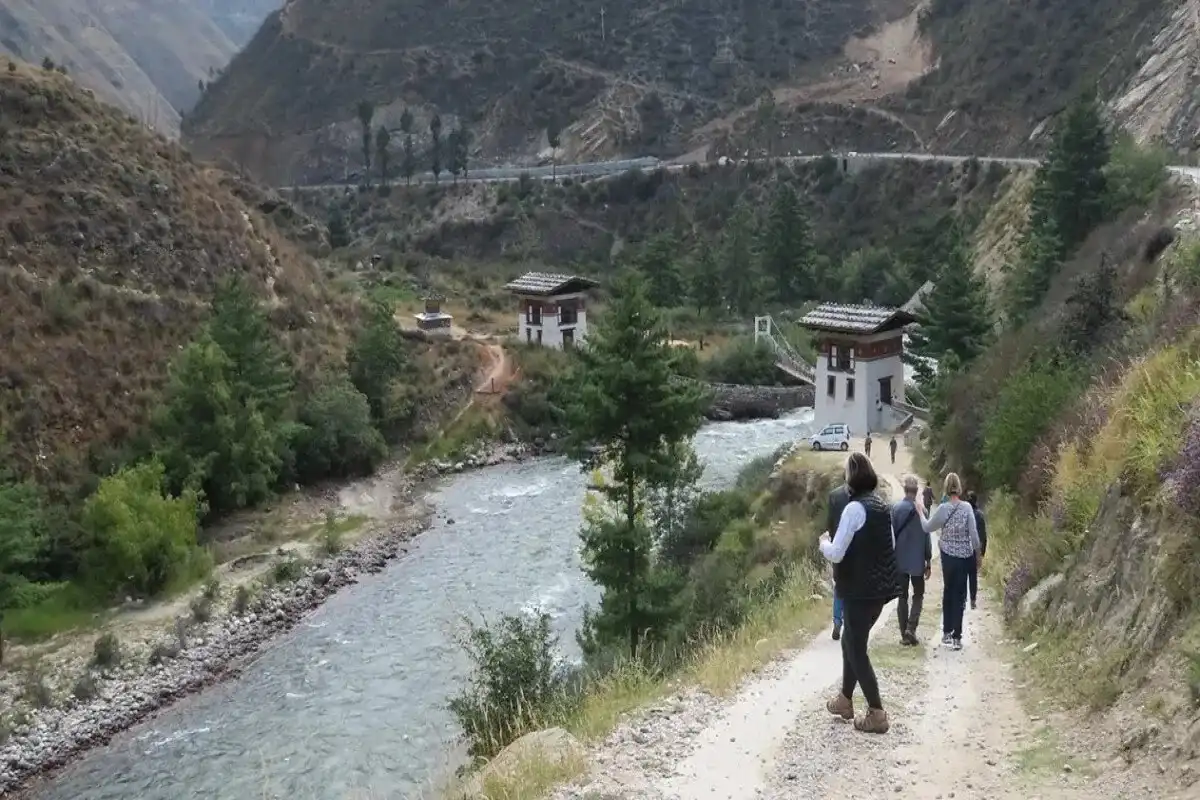
When people think about Bhutan, they usually imagine high mountains, peaceful valleys, monasteries, green forests and traditional villages. But Bhutan is also home to different communities with their own cultures, traditions and ways of living. In the eastern part of the country, Merak and Sakteng are especially interesting because they are home to the Brokpa people.
The Brokpa people of Bhutan are traditionally known for their semi-nomadic lifestyle, yak herding, distinctive clothing and strong connection with the mountain environment. Their way of life has developed over many generations and is closely connected with the seasons, livestock and the natural surroundings of eastern Bhutan.
A journey to Merak and Sakteng is therefore not only about trekking through beautiful landscapes. It is also an opportunity to understand the people who live in this remote part of Bhutan. Travelers can see traditional villages, learn about local customs, experience local hospitality and understand how the Brokpa have adapted their lifestyle to the highlands.
For people interested in cultural travel, the experience can be especially meaningful because it allows them to see a side of Bhutan that is not always found in the country's more popular tourist destinations.
Who Are the Brokpa People of Bhutan?
The Brokpa are a distinct community mainly associated with the Merak and Sakteng areas of eastern Bhutan. They have traditionally followed a lifestyle connected with livestock, mountain pastures and seasonal movement.
The word semi-nomadic is often used to describe their traditional lifestyle because their activities have historically been influenced by seasonal changes and the needs of their livestock. Instead of depending completely on one fixed place throughout the year, their traditional way of life has involved moving according to the conditions of the surrounding environment.
The Brokpa are also known for their traditional clothing, local customs and close relationship with yaks. These parts of their culture have helped maintain a distinctive identity within Bhutan.
For visitors, meeting the Brokpa can be a different experience from simply visiting a famous monument or sightseeing location. It allows travelers to learn about everyday life directly from a community that has lived in the eastern highlands for generations, offering a deeper Cultural Exploration of Eastern Bhutan beyond the country's better-known attractions.
Their culture should not be seen as something frozen in the past. Like other communities, the Brokpa are also experiencing changes brought by education, technology, modern transportation and other parts of contemporary life. However, traditional practices still remain an important part of their cultural identity.
Where Do the Brokpa Live?
The Brokpa people are mainly associated with the villages of Merak and Sakteng in eastern Bhutan. These areas are located in Trashigang District and are surrounded by mountains, forests, grasslands and highland landscapes.The remote location of these villages is an important part of their character. Reaching Merak and Sakteng takes more time than visiting many of Bhutan's better-known destinations, but this distance also allows travelers to experience a quieter environment. The landscape around the villages is closely connected with local life. Mountains and forests are not simply beautiful scenery for the people living here. They provide grazing areas, natural resources and the environment in which livestock can be raised.
Merak is surrounded by open highland areas and mountain scenery, while Sakteng is also located in a beautiful natural setting. Walking through these areas gives visitors an opportunity to see how the landscape and local lifestyle are connected.
This is one of the main reasons why the Merak Sakteng Trek can be interesting for travelers who want both nature and culture. The journey allows visitors to explore the landscape while also spending time around local communities.
The Semi-Nomadic Lifestyle of the Brokpa
The traditional Brokpa lifestyle is closely connected with seasonal changes and livestock. Living in a highland environment means that people have traditionally needed to understand the weather, grazing conditions, water sources and movement of animals.
Yak herding has played an important role in this way of life. Yaks are well suited to cold mountain environments and can survive in conditions where many other animals would find it difficult.
The traditional lifestyle required people to move with the needs of their animals and the changing seasons. This connection with seasonal movement is one reason the Brokpa are described as a semi-nomadic community. Life in the mountains also requires practical knowledge. People need to understand the land around them and know where animals can graze. They also need to manage food, clothing and other household needs in an environment where weather conditions can change quickly.
Although modern life has brought many changes, the traditional relationship between the Brokpa and their environment remains an important part of their cultural identity.
For travelers, understanding this lifestyle can make the journey more meaningful. A mountain meadow may look like a beautiful landscape to a visitor, but for a local family it may also be an important grazing area for livestock.
Why Yaks Are Important to Brokpa Culture
Yaks have traditionally been an important part of Brokpa yak herding and the wider lifestyle of the community. In high mountain areas, yaks can provide useful resources and are well adapted to cold conditions. Yaks can provide milk and wool, while they can also be used for carrying goods and transportation. Because of this, they have traditionally played a practical role in the lives of people living in highland areas.
When travelers walk around Merak and Sakteng, they may see yaks grazing in open areas. Seeing these animals in their natural environment helps visitors understand why they are closely connected with the local way of life.
The relationship between people and livestock also shows how closely the Brokpa depend on their surrounding landscape. Grasslands and highland pastures are not only places for walking and sightseeing. They can also be important areas for livestock. This connection between people, animals and nature is one of the most interesting things to learn about when visiting the region.
Brokpa Traditional Clothing and Cultural Identity
One of the most recognizable parts of Brokpa culture is traditional clothing. The community is known for distinctive garments that are also suitable for the cold conditions of the mountain environment.
Traditional clothing can include thick woolen materials and other warm fabrics that provide protection from cold weather. Brokpa men are traditionally associated with woolen garments and distinctive yak-hair hats, while women are known for colorful woven shawls. These clothes are more than something that looks different to visitors. They are connected with cultural identity and the environment in which the community lives. Traditional clothing can also tell us something about how people have adapted to their surroundings. Warm materials are useful in a cold mountain environment, while the designs and ways of wearing the clothing can reflect local cultural traditions.
Visitors may naturally want to take photographs when they see traditional dress. However, it is always better to ask permission before photographing local people. Cultural clothing should be treated as part of someone's identity and everyday life rather than simply as a costume for tourists.
Life in a Brokpa Village
Visiting a Brokpa village can give travelers a closer look at everyday life. Merak and Sakteng are surrounded by mountains and natural landscapes, but inside the villages, people continue their normal daily activities. Local life can include looking after animals, preparing food, maintaining the home and doing other work connected with family and community life. The lifestyle may seem simple to visitors, but it is adapted to the environment and the needs of the people living there.
Staying in a local home can make this experience even more personal. Rather than simply passing through a village, travelers may have an opportunity to share a meal, sit with local people and learn about their daily routines. A homestay can also help visitors understand that rural travel is different from staying in a hotel. Facilities may be simpler, and travelers may need to adjust to local routines.
Being open-minded is important. The purpose of a cultural journey is not to expect everything to work exactly like it does at home. It is about learning how another community lives.
Food and Hospitality in Merak and Sakteng
Food is another important part of cultural travel. A local meal can provide a simple way for visitors to experience part of everyday life in the community.
When travelers stay in local homes, they may have the chance to eat food prepared by the family and spend time talking with local people. Sharing food can create a comfortable environment where travelers can ask questions and learn more about local traditions. Local hospitality can also make the journey feel more personal. Instead of simply visiting a place, travelers can experience how guests are welcomed into a rural household.
However, visitors should also remember that local homes may have limited facilities. A homestay should not be expected to provide exactly the same services as a hotel.
If you have special dietary requirements, it is a good idea to tell your trekking company before the journey. This allows the necessary arrangements to be discussed ahead of time.
Brokpa Traditions, Stories and Community Life
Culture is not only about clothing, food and buildings. It also includes stories, music, celebrations and knowledge passed from one generation to another.
The Brokpa have their own traditions and stories that are connected with their community and surroundings. Local storytelling and folk music can give visitors a more personal understanding of the culture. Listening to local people can sometimes reveal details that cannot be learned from a standard travel guide. A story about a mountain, village or tradition may explain why a particular place is important to the community. These traditions are often passed through families and community members. Older generations can share their knowledge with younger people, helping cultural practices continue.
At the same time, the Brokpa community is not completely separated from modern life. Education, technology and modern employment have brought changes, just as they have in other rural communities.
Religion and Spiritual Traditions of the Brokpa
Religion and spiritual beliefs are also part of the cultural background of the Brokpa. Their traditions include connections with Buddhism as well as older local spiritual practices.
For visitors, learning about these beliefs can be interesting, but it should always be done respectfully. Religion is a personal part of life, and not everyone will follow traditions in exactly the same way.
If travelers visit religious sites or encounter a local ceremony, they should follow the instructions of their guide and respect the people taking part. Visitors should avoid interrupting religious activities simply to take photographs. It is better to observe quietly and ask questions at an appropriate time.
Understanding local spiritual traditions can help travelers appreciate the deeper cultural background of Merak and Sakteng.
Festivals and Cultural Celebrations in Merak
Festivals are another important part of community life in Bhutan. They provide an opportunity for people to gather, celebrate and continue cultural traditions.
The Merak area is associated with the Merak Tshechu, where traditional performances, dances and cultural activities can be seen. Events like these can help keep local traditions alive and provide younger generations with an opportunity to learn about their cultural heritage.
For travelers, attending a festival can be an interesting cultural experience. Traditional clothing, music and performances can provide a closer look at the community.
However, visitors should remember that a festival is primarily a cultural and religious event for local people. It should not be treated simply as entertainment created for tourists.
If you plan your trip around a festival, always check the current dates and local arrangements before traveling.
Meeting the Brokpa During the Merak Sakteng Trek
The Merak Sakteng Trek is a good way to experience both the natural environment and the culture of eastern Bhutan. The journey takes travelers through forests, mountain areas, open meadows and villages.
As travelers move through the region, they can see the environment that supports the traditional Brokpa lifestyle. The forests and grasslands are connected with livestock and local livelihoods. When travelers reach Merak and Sakteng, there are opportunities to spend more time around the villages and learn about the local community. The cultural experience becomes more meaningful when travelers take time to talk with people instead of simply walking through the village and taking photographs.
For travelers who are interested in exploring more of Bhutan's trekking destinations, Bhutan trekking tours can be used as an internal link to your relevant trekking page.
You can also naturally link Bumdrak Trek when discussing shorter cultural and mountain trekking experiences in Bhutan, or link Jomolhari Trek when mentioning other well-known trekking routes in the country.
What Makes Merak and Sakteng Special?
Merak and Sakteng are special because of the combination of natural beauty and distinctive cultural traditions. The area has mountains, forests, grasslands and wildlife, but the Brokpa community gives the region an additional cultural importance.
The traditional lifestyle is closely connected with livestock and the seasons. This creates a strong relationship between the people and the land around them. The remote location also makes the experience different from visiting a busy tourist destination. There are fewer distractions, and travelers can spend more time experiencing the environment and local communities.
For someone who wants to understand Bhutan beyond its famous monasteries and major tourist attractions, Merak and Sakteng can provide a different perspective. The region shows that travel is not always about seeing as many attractions as possible. Sometimes spending time in one community and learning how people live can be more memorable.
The Brokpa and the Natural Environment
The relationship between the Brokpa and the natural environment is one of the most important parts of understanding their lifestyle. The surrounding forests, grasslands and mountains provide the resources needed for traditional activities. The Sakteng Wildlife Sanctuary is also located in this wider region and is known for its biodiversity. Travelers moving through the area may see different plants, birds and other wildlife.
However, wildlife sightings are never guaranteed. The main purpose should be to appreciate the natural environment without disturbing it. For local communities, the environment is not simply scenery. It can provide grazing areas, water and other resources that support daily life.
This is why responsible trekking is important. Travelers should avoid leaving waste, damaging plants or disturbing animals. Protecting the environment also helps protect the traditional lifestyle of communities living in the region.
How Tourism Can Affect Traditional Communities
Tourism can provide useful opportunities for remote communities. Local homestays, food, guiding and other services can provide income and encourage visitors to spend more time in rural areas. However, tourism also needs to be handled carefully. Large numbers of visitors or disrespectful behavior can create problems for local communities.
The Brokpa people should not be treated as a tourist attraction. They are a living community with families, work, traditions and personal spaces. Travelers should therefore behave responsibly. They should ask before taking photographs, avoid entering private areas and follow local customs.
A good cultural experience should be based on mutual respect. Visitors can learn from the community while also making sure their presence does not create unnecessary problems.
How to Respect Brokpa Culture When Visiting Merak and Sakteng
The first thing to remember is to ask permission before photographing people. Some people may be comfortable with photographs, while others may not. Their choice should always be respected.
Travelers should also respect local homes. If you are invited into someone's house or stay in a homestay, remember that you are entering a person's private living space.
Following local customs is also important when visiting religious or culturally important places. If you are not sure what to do, ask your guide.
It is also better to avoid making jokes about local clothing, food, language or traditions. Something that seems unfamiliar to a traveler may be an important part of another person's identity. Most importantly, take time to listen. Cultural travel is not only about seeing something new. It is also about understanding people and respecting their way of life.
Best Time to Visit Merak and Sakteng
When planning a trip to Merak and Sakteng, spring and autumn are generally considered favorable seasons for trekking in Bhutan.
- Spring can bring fresh greenery and pleasant conditions for walking, while autumn often provides clearer mountain views and suitable trekking weather.
- Summer can bring monsoon rain, which may make trails wet and slippery. Winter can bring colder temperatures, especially in higher areas.
- Mountain weather can change quickly, so travelers should still be prepared even when visiting during a favorable season. Warm clothing, suitable footwear and rain protection can be useful.
Before traveling, it is always better to check the latest weather conditions and trekking information.
What Is the Merak Sakteng Trek Like?
The Merak Sakteng Trek combines mountain walking with cultural experiences. Travelers pass through forests, open areas and mountain landscapes before reaching the villages associated with the Brokpa community.
The trek is generally considered moderate, although some sections can be physically demanding. Travelers should be comfortable walking for several hours and should prepare for uneven trails and changes in elevation.
The cultural side makes the journey different from a trek that focuses only on reaching a destination. Travelers have opportunities to spend time around villages and learn about local life. Because the region is remote, travelers should also be prepared for simpler facilities than they might find in cities or major tourist areas.
Why Meeting the Brokpa Can Be the Most Memorable Part of the Trek
Mountain views are often the first reason people decide to trek in Bhutan, but meeting local people can become one of the most memorable parts of the journey.
Seeing yaks grazing in the mountains, learning about traditional clothing, sharing a meal or listening to local stories can create memories that are more personal than simply taking photographs of landscapes. These experiences help travelers understand that Merak and Sakteng are not empty mountain areas. They are home to a community that has developed its own traditions and lifestyle over generations.
Learning about the Brokpa culture of Bhutan can therefore add another layer to a trekking journey. Travelers get to experience not only the landscape but also the people who live within it. Travelers interested in combining mountain scenery with rural culture can also explore the Phobjikha Valley and Gangtey Trek, another route that offers a different perspective on Bhutan's landscapes and communities.
Tips for Travelers Visiting the Brokpa Community
Travelers planning to visit Merak and Sakteng should prepare both physically and mentally. The journey involves walking through mountain terrain, so comfortable trekking shoes and suitable clothing are important. Because the region is remote, travelers should also carry the basic items needed for a trekking journey. Weather can change, so rain protection and warm clothing can be useful.
More importantly, travelers should prepare themselves for a different pace of life. Village life may be quieter and simpler than what visitors are used to. It is useful to learn a few basic cultural manners before traveling. Being polite, asking permission before taking photographs and respecting local customs can make interactions much easier.
Travelers should also avoid bringing unnecessary plastic or leaving waste behind. Keeping the trails and villages clean is part of responsible tourism.
Frequently Asked Questions About the Brokpa People
Who are the Brokpa people of Bhutan?
The Brokpa are a community associated mainly with Merak and Sakteng in eastern Bhutan. They are known for their distinctive traditions, clothing, and traditional connection with yak herding.
Where do the Brokpa people live?
The Brokpa are mainly associated with the Merak and Sakteng areas of eastern Bhutan, in Trashigang District.
Are the Brokpa semi-nomadic?
Traditionally, yes. Their lifestyle has been connected with seasonal movement, livestock, and the changing conditions of the highland environment.
Why are yaks important to Brokpa culture?
Yaks have traditionally provided useful resources such as milk and wool and have also been used for carrying goods and transportation in mountain areas.
What is special about Brokpa traditional clothing?
Brokpa traditional clothing is distinctive and suited to the cold mountain environment. Woolen garments and yak-hair hats are traditionally associated with the community.
Can travelers meet the Brokpa people?
Yes. Travelers visiting Merak and Sakteng can have opportunities to meet local people and learn about their lifestyle and traditions.
Can travelers stay in local homes?
Local homestays can be part of the Merak Sakteng trekking experience and can give travelers a closer look at village life.
What can travelers learn from visiting Merak and Sakteng?
Travelers can learn about traditional clothing, yak herding, local homes, food, stories, community life, and the relationship between the Brokpa and their environment.
What is the best time to visit Merak and Sakteng?
Spring and autumn are generally suitable seasons for trekking, while summer can bring monsoon rain and winter can be colder. Travelers should check current conditions before traveling.
Is the Merak Sakteng Trek difficult?
The trek is generally considered moderate, but some sections can be challenging because of uphill walking, uneven trails, and changing elevation. Reasonable physical preparation is recommended.
Final Thoughts on Meeting the Brokpa
Brokpa people of Bhutan are an important part of the cultural identity of Merak and Sakteng. Their traditional lifestyle, yak herding, clothing, food, stories, and relationship with the mountain environment give travelers a chance to understand a less-visited side of Bhutan. The journey is not only about walking through beautiful forests and mountains. It is also about meeting people and understanding how their daily lives are connected with the land around them.
For travelers, the best way to experience this culture is with patience and respect. Ask before taking photographs, respect people's homes, listen to local stories and follow local customs. A journey through Merak and Sakteng can therefore become more than a trekking trip. It can become an opportunity to understand the Brokpa culture, their traditional way of life and the connection between people and nature in eastern Bhutan.
If you are planning to explore more of Bhutan, you can naturally add an internal link to your Bhutan trekking tours page here. You can also link relevant articles such as Jomolhari Trek, Bumdrak Trek, or Soi Yaksa Trek where they fit naturally within your website's content.
The most valuable part of meeting the Brokpa is not simply seeing their traditional clothing or taking photographs of their villages. It is understanding that these traditions are part of the lives of real people. Traveling with respect allows visitors to enjoy the beauty of Merak and Sakteng while also appreciating the culture that makes this region special. The Merak Sakteng Trek brings these landscapes and communities together, allowing travelers to experience the region at a slower pace and gain a better understanding of its way of life.