
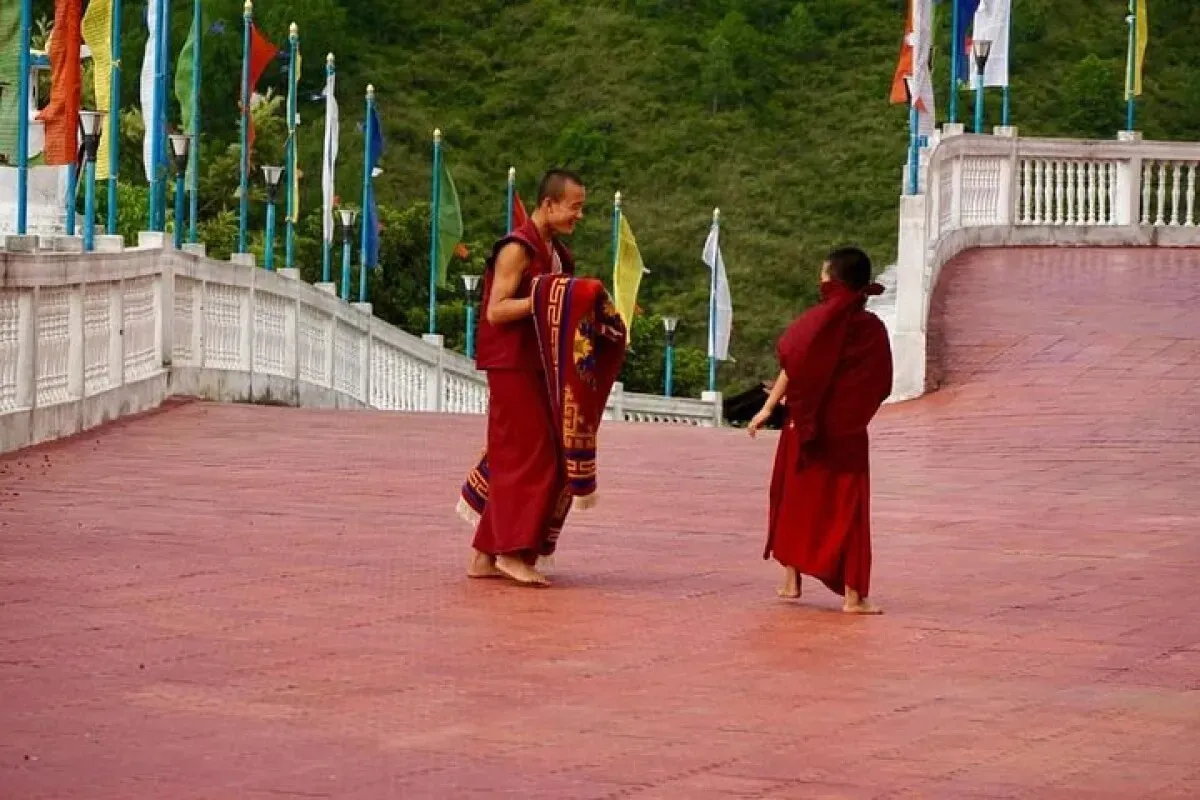
Bhutan is a kingdom deeply anchored in ancient spiritual values, legendary fortresses, and vibrant celebrations that bring centuries-old mythology to life. While many travelers restrict their exploration to the western valleys of Paro, Thimphu, and Punakha, the true soul of the country resides in its rugged, less-traveled eastern frontier. For those who wish to experience the raw essence of Himalayan Buddhism and untamed landscapes, understanding why the 11-Day Mongar Tsechu Festival Tour Is a Must for Bhutan Culture Lovers is the first step toward a life-changing adventure. This specialized itinerary provides a comprehensive window into the religious devotion, distinct regional architecture, and warm hospitality of eastern Bhutan. The festival acts as a spiritual gathering where sacred mask dances, dynamic community socializing, and ancestral rituals merge seamlessly. To embark on this profound exploration of the kingdom,
The eastern district of Mongar marks an important transition in your journey, where the deep gorges give way to steep cliffs and lush subtropical vegetation. Unlike the highly commercialized celebrations found in the major western hubs, the annual Tsechu in Mongar remains a purely local affair, attended by mountain communities, isolated herders, and devout villagers who travel for miles on foot. Choosing the comprehensive
The Compelling Appeal of Eastern Bhutan Tourism
Eastern Bhutan has long held an aura of mystery because it was physically isolated from the rest of the country for generations. This geographical isolation has allowed the region to maintain unique linguistic dialects, distinct weaving patterns, and deeply rooted spiritual customs that differ vastly from the western provinces.
The journey to the east is an intrinsic part of the cultural experience. Traveling along winding mountain roads, traversing high-altitude passes, and driving through shifting ecological zones reveals a side of the country that feels entirely wild and untouched. Mongar itself is built on a gentle hill slope rather than a flat valley floor, showcasing a fascinating architectural layout where traditional whitewashed buildings cling beautifully to the hillsides.
Understanding the Spiritual Significance of the Mongar Tsechu
A Tsechu is a religious festival held on the tenth day of a month of the Bhutanese lunar calendar. The word itself translates to the tenth day, and these festivals are dedicated entirely to Guru Rinpoche, the saint who introduced Tantric Buddhism to the Himalayas in the eighth century.
For the local population, attending the Mongar Tsechu is not a simple social outing; it is an important spiritual obligation. It is believed that witnessing the sacred mask dances, known as Chams, cleanses one of accumulated negative karma and bestows immense blessings for the coming year. The atmosphere within the Dzong fortress grounds is dense with the aroma of burning incense, the chanting of prayers, and the profound, palpable devotion of thousands of pilgrims dressed in their finest traditional wear.
Exploring the Majestic Mongar Dzong as the Festival Host
The Mongar Dzong serves as the spectacular venue for this multi-day spiritual celebration. Built in the twentieth century, this fortress represents a magnificent continuation of traditional Bhutanese architecture, constructed completely without the use of a single iron nail or architectural blueprint.
As you step inside the massive courtyard of the Dzong during the festival, you are surrounded by intricate wood carvings, towering stone walls, and vibrant hand-painted murals depicting Buddhist deities. The architecture creates an intimate, acoustic environment where the deep sounds of long horns, rhythmic cymbals, and traditional drums reverberate through your entire body, intensifying the otherworldly nature of the spiritual dances.
The Artistry and Deep Symbolism of Sacred Mask Dances
The core of the Mongar Tsechu is the performance of the sacred Cham dances. These are executed with flawless precision by trained Buddhist monks and laymen who undergo rigorous spiritual preparation and physical training before entering the courtyard.
Each dance carries a deep moral, historical, or theological lesson. The dancers wear elaborate silk robes and large, hand-carved wooden masks that represent wrathful protectors, benevolent deities, and various animal spirits.
The Dance of the Lords of the Cremation Grounds
Known locally as the Durdag Cham, this performance features dancers wearing skeletal masks and white costumes. It serves as a visual reminder of the impermanence of human life and the ultimate triumph of spiritual consciousness over worldly attachments.
The Dance of the Eight Manifestations of Guru Rinpoche
This highly anticipated performance dramatizes the different forms assumed by Guru Rinpoche throughout his life to subdue demons and propagate the Buddhist faith across the Himalayas. The grand appearance of the Guru figure in the courtyard is a moment of immense reverence, with many locals bowing low to receive silent blessings.
A Detailed Breakdown of the Perfect 11-Day Itinerary
An 11-day journey is the optimal timeframe to appreciate the true essence of this region without feeling rushed. It balances the long, scenic drives across the country with dedicated days of cultural immersion and active exploration.
Days One to Three: Arrival and Western Fundamentals
Your journey begins with an arrival at Paro International Airport, followed by an immediate immersion into the classic sights of Western Bhutan. This introductory phase includes a visit to the iconic Tiger Nest Monastery (Paro Taktsang) and a journey through the capital city of Thimphu to acclimatize to the high Himalayan altitude.
Days Four to Six: Navigating the Central Valleys
From Thimphu, the tour moves eastward across the breathtaking Dochula Pass, stopping in the warm valley of Punakha to visit the magnificent Punakha Dzong. Continuing eastward, you cross the Pele La Pass to enter the central district of Bumthang, which is considered the cultural and spiritual heartland of the nation. Bumthang provides the perfect staging ground before entering the remote eastern territories.
Days Seven to Nine: The Core Festival Experience in Mongar
Leaving Bumthang behind, you embark on one of the most spectacular drives in all of Asia, crossing the Thrumshingla Pass and descending down dramatic cliffs to reach Mongar. You spend consecutive days fully immersed in the Mongar Tsechu. This allows you to observe different sequences of the religious dances, interact with the local community, and explore the nearby villages.
Days Ten and Eleven: Return and Reflection
The final leg of the journey involves traveling back to Western Bhutan or exiting via the southern border town of Samdrup Jongkhar, giving you ample time to process the incredible wealth of cultural insights, photographs, and personal connections made during your time in the east.
The Dynamic Social Atmosphere and Colorful Traditional Fashion
While the religious ceremonies are serious and meditative, the social aspect of the Mongar Tsechu is wonderfully joyful and celebratory. The festival serves as a massive family reunion and community gathering for people who live in isolated pockets of the mountains.
Families plan for months to attend the festival, preparing elaborate picnic lunches packed in traditional wooden containers. Everyone wears their finest hand-woven garments. Men wear the Gho, a long robe tied at the waist to form a large pouch, while women display stunning silk Kiras, which are wrapped dresses secured with silver brooches and bright kera sashes. Walking through the crowds offers an incredible education in the living textile arts of the country, showcasing intricate patterns that symbolize specific regions and family lineages.
Discovering the Exceptional Textile Heritage of the East
Eastern Bhutan is world-renowned for producing some of the most complex, sought-after textiles in the world. Districts neighboring Mongar, such as Lhuentse, are the birthplace of Kishuthara, an intricately patterned silk textile that features elaborate brocade embroidery.
During the 11-Day Mongar Tsechu Festival Tour, you will have plenty of opportunities to visit local weaving cooperatives and household workshops. Observing the patience and precision required to create just a few inches of cloth over weeks of hard labor gives you a deep respect for the preservation of these traditional crafts.
The Role of the Atsaras: Clowns with a Divine Purpose
No discussion of a Bhutanese Tsechu is complete without mentioning the Atsaras. These are ritual clowns who wear bright red masks with large noses and carry wooden implements, moving freely through the festival crowds to perform expressive antics.
However, the Atsaras are far more than mere comedians. In Bhutanese culture, they represent enlightened masters who use eccentric behavior to challenge human egos and break down social inhibitions. They maintain order during the festival, tease the spectators, and mimic the serious dancers, providing a wonderful element of lighthearted humor that balances the deep solemnity of the religious rituals.
Why Choosing Orrog Ensures a Perfectly Seamless Adventure
Traveling to the remote eastern corners of Bhutan demands extensive local knowledge, top-tier logistical coordination, and access to the best available resources. As a leading specialized tour operator, Orrog stands ready to transform your dream of exploring the Himalayas into a flawless reality.
Our experienced drivers, premium vehicles, and deeply knowledgeable local guides ensure that your journey along the mountain roads is completely safe and physically comfortable. We secure prime viewing locations within the Dzong courtyards and arrange exclusive cultural interactions that are simply unavailable to independent travelers.
Dedicated Services and Ground Support
When you book with us, you receive personalized care from the moment you make your initial inquiry until you depart the kingdom. We manage all visa processing, sustainable development fees, and internal permits with maximum efficiency.
Main Business Site:
Direct Tour Registration:
Direct Contact Number: +975 17160228
Official Corporate Email: [email protected]
Essential Travel Planning Tips for Eastern Bhutan
To maximize your comfort and enjoyment during this long-distance cultural tour, it is helpful to keep several practical considerations in mind:
Prepare for Extensive Road Travel: The drive to Eastern Bhutan is incredibly beautiful but involves long hours navigating winding mountain roads. If you are prone to motion sickness, it is highly recommended to carry appropriate remedies.
Embrace Local Accommodations: Tourism infrastructure in the east is simpler and more rustic than the luxury options available in Thimphu or Paro. The hotels and guesthouses in Mongar are clean, cozy, and run by incredibly hospitable local families who offer authentic insights into daily life.
Respect the Sacred Spaces: The Mongar Tsechu takes place within an active government and religious fortress. Ensure your shoulders and legs are fully covered, remove your shoes before entering any temple interiors, and refrain from loud conversations during the sacred dances.
Pack Adaptable Clothing Layers: The route crosses high mountain passes where temperatures can drop significantly, followed by sharp descents into warm valleys. Wearing layered clothing allows you to adjust quickly to changing microclimates throughout the day.
Frequently Asked Questions
Why is the Mongar Tsechu considered more authentic than other festivals?
Because Eastern Bhutan receives a fraction of the international tourists compared to the western regions, the Mongar Tsechu is organized primarily for the local community. The absence of large tourist crowds preserves the genuine, uncommercialized atmosphere of the religious celebration.
What is the best season to book the Mongar Tsechu Festival Tour?
The festival dates are determined by the lunar calendar and usually fall during the autumn months, which coincide with clear blue skies, excellent mountain visibility, and comfortable daytime temperatures that are ideal for sightseeing.
Are western meals available during the tour in Mongar?
While options are more limited than in the capital, the local guesthouses and restaurants prepare delicious, wholesome meals consisting of fresh organic vegetables, rice, chicken, and continental choices. Your guide can easily coordinate with the kitchen to adjust the spice levels to your preference.
Can the itinerary be customized to include additional days?
Yes, we specialize in tailoring itineraries to match your unique interests. You can easily extend your tour to include deeper exploration of neighboring eastern districts like Trashigang or Trashiyangtse.
How far in advance should I reserve my festival tour?
Because festival dates are highly popular and regional accommodation options are limited, we strongly recommend booking your tour at least four to six months in advance to secure optimal logistics and flights.
Secure Your Gateway to a Timeless Cultural Destination
The 11-Day Mongar Tsechu Festival Tour offers an unparalleled opportunity to see Bhutan as it has existed for centuries: wild, devout, and deeply proud of its spiritual heritage. This journey promises to expand your perspective and leave you with a profound appreciation for the enduring power of community traditions.
Let our team manage every detail of your Himalayan journey with care and professionalism. Contact us today to begin your travel planning. Discover Why the 11-Day Mongar Tsechu Festival Tour.
Explore our services:
View the full itinerary:
Call Our Team: +975 17160228
Email Our Office: [email protected]