
Travelers searching for a deep connection to ancient traditions often look beyond conventional sightseeing spots. They seek out moments where sacred history, community life, and religious art merge into a living celebration. In the Himalayan kingdom of Bhutan, the spiritual heartland of Bumthang provides the perfect setting for this deep exploration. While western districts offer wonderful historical perspectives, a specialized
Bumthang is comprised of four distinct high-altitude valleys: Chokhor, Tang, Chhume, and Ura. This region is widely recognized as the religious core of the nation, housing some of the oldest Buddhist monasteries and sacred sites. Choosing a ten-day format provides the ideal balance to experience this remote terrain, giving you ample time to transition through the mountain passes, adapt to the altitude, and engage with local festivals without feeling rushed. This extensive guide breaks down every core element that makes this particular tour the ultimate immersion into Bhutanese heritage.
The Cultural Significance of Bumthang Valleys
To truly understand why this tour is so impactful, one must first look at the unique history of the Bumthang region. Long before modern roads connected the country, these valleys served as the primary center for spiritual development, heavily influenced by the visits of Padmasambhava, also known as Guru Rinpoche, in the eighth century. The landscape is covered with sacred caves, rocks bearing handprints, and temples built over centuries to anchor spiritual energy.
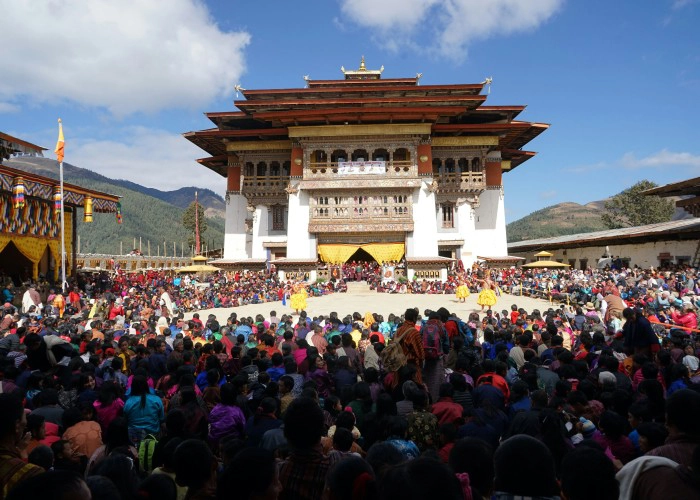
Because of this profound heritage, the festivals celebrated here hold an unmatched level of religious purity. The local residents do not view these events as theatrical performances meant for external visitors. Instead, they are deeply sacred annual rituals performed to cleanse the valley of negative energies, ensure prosperous harvests, and accumulate spiritual merit. Attending a festival here means standing shoulder-to-shoulder with local families who have traveled from remote mountainsides to receive blessings.
The Strategic Balance of a Ten Day Journey
A journey into the heart of Bhutan cannot be rushed. The mountainous geography requires a slow, mindful approach to travel. A ten-day itinerary is intentionally designed to allow the landscape to reveal itself gradually, turning the transit into an important element of your overall cultural perspective.
The Initial Phase Transition and Acclimatization
The first three days of the tour focus on moving from the lower western valleys into the high alpine zones. Leaving the modern city of Thimphu and driving through the historic valley of Punakha, travelers witness a dramatic shift in both scenery and architecture. The wide terraced rice fields transform into dense forests of hemlock, bamboo, and pine.
As you cross the dramatic Pele La and Yotong La passes, you enter a quieter world. This slower approach ensures that your body adjusts to the higher elevations naturally, keeping you refreshed and energetic by the time you reach the main festival grounds in Bumthang.
The Peak Phase Total Immersion in Sacred Festivities
The middle block of the tour, spanning days four through seven, is dedicated entirely to the regional festivals. Rather than dropping in for a quick photo opportunity, you spend consecutive days returning to the courtyards of ancient monasteries like Jambay Lhakhang or Kurjey Lhakhang.
This extended presence allows you to look past the initial sensory rush of colors and rhythms to recognize the deep narratives behind the dances. You will witness the unfolding of different acts across multiple days, observe the intricate pre-festival rituals performed by the monks, and experience the changing moods of the crowd from morning devotion to afternoon community celebrations.
The Final Phase Exploring the Outlying Hidden Valleys
The remaining days of the itinerary shift toward the outer valleys of Tang and Ura. These areas are characterized by traditional stone architecture, vast sheep pastures, and a very rustic way of life. By exploring these rural areas after the main festival events, travelers gain a complete understanding of how the spiritual concepts witnessed during the dances translate into the daily work, farming, and domestic lives of the valley residents.
Deconstructing the Sacred Mask Dances of the Tshechu
The focal point of any Bumthang festival is the Tshechu, a religious event held on the tenth day of a month in the Bhutanese calendar. The most iconic element of this celebration is the Cham, or sacred mask dance, performed by trained monks and local laymen. These dances are a form of visual meditation and spiritual instruction, acting out stories from holy texts and historical events.
The Symbolic Artistry of Costumes and Masks
Every mask used in the dances is hand-carved from seasoned wood and painted using specific color schemes that represent enlightened deities, protective spirits, or historical figures. The costumes are made from heavy silk brocade, featuring bold patterns that create a spinning wheel of color during fast movements.
As you watch the performers move across the stone courtyards, you learn to identify the distinct meanings behind each presentation. The terrifying expressions on the wrathful masks are not meant to represent evil, but rather the powerful, dynamic energy required to overcome ignorance and negative thoughts.
The Sonic Environment of Monastic Instruments
The dances are accompanied by a specific acoustic landscape. The slow, deep boom of monastic drums, the sharp clash of brass cymbals, and the haunting drone of long telescopic horns create a powerful rhythmic environment. This music sets the pace for the performers and helps ground the spectators in a state of focused attention, enhancing the spiritual atmosphere of the festival grounds.
Essential Historical Temples of the Bumthang District
The ten-day tour guarantees comprehensive visits to the foundational temples of Bhutan, locations that provide the physical setting for these grand spiritual traditions.
Jambay Lhakhang and the Origins of Bhutanese Buddhism
Dating back to the seventh century, Jambay Lhakhang is recognized as one of the oldest temples in the nation. According to historical accounts, it was built by the Tibetan King Songtsen Gampo as part of a grand design to pin down an immense ogress stretching across the Himalayas. Walking through its dark, ancient inner sanctuaries, where centuries of butter lamps have left a rich, aromatic glaze on the timber walls, brings you in direct contact with the dawn of regional history.
Kurjey Lhakhang and the Guru Rinpoche Legacy
Located just a short distance away, Kurjey Lhakhang consists of three majestic structures built against a solid rock face. The site is famous for housing a cave containing the physical imprint of Guru Rinpoche's body after he meditated there to subdue a local demon king. The architecture here is a masterpiece of Bhutanese design, featuring grand stone staircases, intricate wooden balconies, and massive gilded statues that command deep respect.
Exploring the Rural Valleys of Tang and Ura
To fully appreciate the cultural identity of Bumthang, one must venture beyond the central valley of Chokhor. The ten-day itinerary includes dedicated journeys into the highly traditional sub-valleys of Tang and Ura.
The Isolated Heritage of Tang Valley
Tang is the most remote of the Bumthang valleys, where the pace of life remains completely tied to agricultural and pastoral rhythms. Here, you will visit the historic Ogyen Choling Palace, which has been converted into a unique museum managed by the ancestral family. This site provides an authentic look into the historical lifestyle of the regional nobility, displaying ancient household tools, traditional weaving equipment, historical weapons, and religious art pieces that are unavailable in standard national museums.
The Cobblestone Architecture of Ura Village
The village of Ura is famous for its unique structural layout. Unlike the scattered farmhouses seen across most valleys, the homes in Ura are built close together along charming stone paths, creating a highly cohesive village environment. The residents here specialize in livestock rearing and sheep farming, and walking through this settlement provides an authentic look at the traditional mountain lifestyle that continues to thrive in the high altitudes.
Experiencing Local Culinary and Domestic Traditions
An authentic exploration must include the flavors and daily practices of the local community. The agricultural conditions of Bumthang differ significantly from the lower valleys, resulting in a unique food culture.
The Traditional Buckwheat Harvest
Due to the cooler alpine climate, rice is not the primary staple crop in this region. Instead, the local population relies heavily on buckwheat. During your stay, you will taste authentic preparations such as Puta, which are traditional buckwheat noodles pressed using wooden tools, and Khule, which are savory buckwheat pancakes served with fresh cheese and fiery chili sauces. Experiencing these unique dishes in a local farmhouse provides an authentic connection to the land and the culinary creativity of the residents.
Traditional Arts and High Quality Weaving
The Bumthang district, particularly the Chhume valley, is renowned for its exceptional textile production. The area is famous for Yatram, a distinct style of hand-woven fabric made from sheep wool and colored with natural vegetable dyes. The geometric patterns and rich colors are unique to this region. Watching local artisans operate traditional backstrap looms inside village workshops reveals the immense patience and skill required to preserve this essential artistic tradition.
Why Booking with Orrog Transforms Your Journey
Navigating a highly remote, culturally sensitive region like Bumthang during peak festival seasons requires exceptional logistical precision, deep regional connections, and experienced personnel. As a leading Bhutan tour and travel company,
The guides provided by the tour company serve as essential cultural interpreters. Rather than simply pointing out historical dates, they explain the deep spiritual narratives behind the mask dances, help facilitate respectful interactions with village elders, and ensure that your presence at sacred sites aligns perfectly with local religious etiquette. This professional guidance elevates a standard tour into a truly profound, memorable life experience.
Frequently Asked Questions About Bumthang Festival Travel
What makes the festivals in Bumthang different from those in Paro or Thimphu?
The festivals in Bumthang are celebrated in a much more intimate, community-focused setting compared to the large-scale events in Paro or Thimphu. Because the region is remote, the attendance consists primarily of local residents from surrounding villages rather than massive tourist crowds. This provides a pure, uncommercialized environment where you can observe authentic traditions and interact closely with the local community.
What is the best clothing strategy for a ten-day mountain tour in Bhutan?
The best approach is to dress in versatile layers. Temperatures in the high-altitude valleys of Bumthang can fluctuate significantly, with warm, sunny days followed by very cold mornings and evenings. It is important to pack heavy woolens, a windproof outer jacket, thermal underwear, and broken-in walking shoes. Additionally, modest clothing that covers your shoulders and knees is mandatory when entering dzongs and monasteries.
How demanding is the walking or hiking on this particular tour?
This itinerary is designed primarily as a cultural exploration rather than an intense mountain trek. Most walking involves navigating uneven stone courtyards, dirt paths through rural villages, and occasional gentle climbs up to hillside monasteries. A basic level of walking fitness is completely sufficient to enjoy the entire itinerary comfortably.
What kind of accommodation can travelers expect in the Bumthang region?
Bumthang features a wonderful selection of traditional, family-run guesthouses and tourist-standard lodges that place a high priority on authentic hospitality and comfort. These properties are built using traditional architecture and offer wood-burning stoves for heating, clean private bathrooms, and dining rooms serving fresh, locally sourced meals. This rustic charm is a key component of the authentic travel experience.
Are travelers permitted to take photographs during the religious festival dances?
Photography is generally permitted in the open courtyards where the mask dances take place, allowing you to capture the vibrant colors of the costumes and performances. However, photography is strictly prohibited inside the inner sanctuaries of temples, shrines, and altar rooms out of respect for the sacred space. Your guide will always advise you on specific rules at each location.
Plan Your Authentic Bhutan Experience with Orrog
Ready to step into the sacred traditions of the kingdom of happiness? Let our experienced travel specialists craft your perfect itinerary. Contact us today to secure your place on this ultimate cultural journey. Why the 10-Day Bumthang Festival Tour Is the Ultimate Cultural Experience in Bhutan.
Call Us: +975 17160228
Email Us: [email protected]