
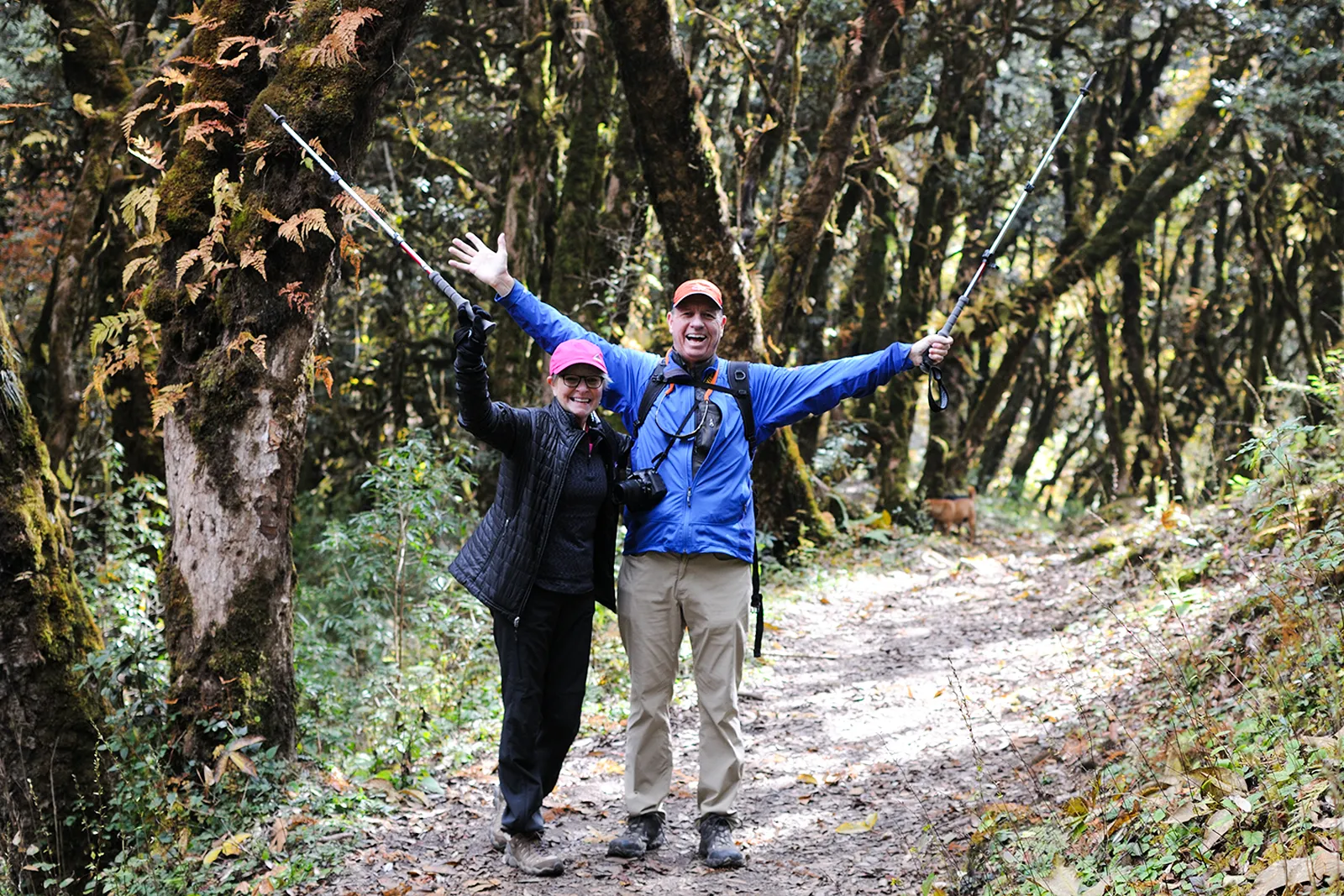
Vow renewal in Bhutan offers couples a meaningful way to celebrate their journey together. The Himalayan kingdom creates a peaceful setting for reflection, gratitude, and renewed commitment. Ancient temples, Buddhist traditions, and dramatic mountain landscapes create an unforgettable atmosphere. Couples can combine spiritual blessings with cultural experiences during their Bhutan journey. A vow renewal ceremony can also become a deeply personal celebration of lasting love.
Bhutan is known for its Buddhist heritage, peaceful environment, and distinctive cultural traditions. Religious sites remain an important part of everyday life across the country. Many temples and monasteries provide beautiful settings for spiritual experiences. Couples can request Buddhist blessings as part of a carefully arranged vow renewal. However, ceremonies must respect local customs, religious practices, and the rules of each sacred site.
Why Choose Bhutan for a Vow Renewal?
Bhutan offers an unusual setting for couples seeking something meaningful beyond a traditional ceremony. Its mountains, monasteries, valleys, and forests create a naturally romantic environment. The peaceful surroundings encourage couples to slow down and appreciate their shared journey. Bhutan also provides opportunities to experience authentic local culture during the celebration. Against this serene Himalayan backdrop, a wedding vow renewal in bhutan can become a deeply personal celebration of love, reflection, and shared memories. The experience can be both intimate and culturally enriching, allowing the celebration to become part of a memorable journey through Bhutan.
The country has strong connections with Vajrayana Buddhism and spiritual traditions. Buddhist practices remain visible in temples, monasteries, prayer wheels, and sacred landscapes. Couples may incorporate selected blessings into their celebration through experienced local planners. These blessings can focus on compassion, harmony, longevity, and positive intentions. The exact ceremony depends on the venue, religious authorities, and wishes of the couple.
Bhutan also offers diverse landscapes for a memorable vow renewal experience. Paro provides historic temples, mountain views, and convenient access from the international airport. Punakha offers lush valleys, rivers, and important religious landmarks. Thimphu combines cultural attractions with modern comforts and traditional architecture. Bumthang provides a more spiritual atmosphere with several significant temples and monasteries.
Is a Buddhist Vow Renewal Legally Recognized?
A Buddhist blessing should not automatically be considered a legal marriage ceremony. Vow renewal is generally a symbolic celebration rather than a new marriage registration. Couples should therefore distinguish between spiritual blessings and legal marriage requirements. This distinction becomes especially important for couples who married outside Bhutan. A vow renewal does not normally replace existing civil marriage documentation.
Couples should discuss their plans with a qualified Bhutanese wedding planner beforehand. The planner can explain which ceremonies are appropriate for foreign visitors. Local religious authorities can also determine whether a blessing may take place. Certain temples may restrict ceremonies because they remain active religious institutions. Advance planning therefore helps prevent misunderstandings and protects the sanctity of sacred spaces.
A vow renewal can remain meaningful without becoming a legally binding ceremony. Couples can exchange personal promises and receive spiritual blessings from monks. They can also offer traditional scarves and light butter lamps when permitted. Such practices can create a memorable experience without changing legal marital status. The ceremony should always reflect the couple’s intentions and respect Bhutanese traditions.
Best Temple and Monastery Options for Vow Renewal
Bhutan has many temples and monasteries with spiritual and cultural importance. However, not every religious site permits private ceremonies or vow renewals. Permission depends on local authorities, religious leaders, and the purpose of the visit. Some locations may allow blessings while restricting photography or private celebrations. A local planner should confirm the arrangements before finalizing the venue.
Kyichu Lhakhang in Paro
Kyichu Lhakhang is among the most important temples in the Paro Valley. The historic temple has strong religious significance within Bhutanese Buddhist traditions. Its peaceful surroundings can create a reflective atmosphere for couples. The location also works well within a wider Paro cultural itinerary. Couples should request permission before planning any private blessing at the temple.
The temple environment encourages quiet reflection rather than elaborate entertainment. A vow renewal here should therefore remain simple and respectful. Couples may be able to arrange prayers or blessings through local religious contacts. The exact practices depend on the temple authorities and religious circumstances. Photography inside sacred areas should never be assumed to be permitted.
Druk Choeding Temple
Druk Choeding Temple is another religious site associated with traditional Bhutanese ceremonies. It is located in Paro and provides access to the valley’s cultural heritage. Traditional wedding customs have been associated with selected temples in Bhutan. This makes the wider Paro area attractive for couples planning cultural celebrations. Permission and ceremony arrangements must still be confirmed in advance.
A vow renewal at a religious site should avoid turning sacred spaces into ordinary event venues. The focus should remain on gratitude, reflection, and spiritual intention. Simple clothing and respectful behaviour can enhance the experience. Couples can celebrate afterward at a hotel or private location. This approach balances spiritual meaning with personal celebration.
Punakha Temple and Monastery Settings
Punakha is one of Bhutan’s most scenic destinations for romantic celebrations. The valley features rivers, forests, rice fields, and historic religious landmarks. Its peaceful landscape creates excellent opportunities for intimate vow renewal experiences. Couples can combine a spiritual blessing with a scenic photography session outdoors. Religious ceremonies must still receive prior approval from appropriate authorities.
Punakha Dzong is among Bhutan’s most impressive cultural landmarks. It is also an important religious and administrative complex. The site should not be treated like a private wedding venue without permission. Couples can instead explore nearby approved locations for their celebration. A local planner can identify suitable options based on ceremony requirements.
Bumthang Valley
Bumthang is often associated with Bhutan’s spiritual heartland. The region contains several ancient temples and monasteries with deep religious significance. Its quieter atmosphere appeals to couples seeking a more intimate experience. The valley also offers plenty to discover beyond its spiritual sites, with a Cultural Exploration of Bumthang bringing together its historic landmarks, traditional culture, and distinctive local character. Bumthang works particularly well for couples planning longer cultural journeys.
Several Bhutanese wedding traditions are connected with Buddhist blessings and local rituals. Some ceremonies involve monks, purification rituals, offerings, and long-life prayers. Similar spiritual elements may sometimes be adapted for vow renewals. Such adaptations require consultation with religious authorities and experienced local planners. Couples should avoid assuming that every wedding ritual applies to vow renewals.
What Happens During a Buddhist Vow Renewal?
A Buddhist blessing can vary depending on the couple and religious setting. Some ceremonies begin with prayers or purification practices. Monks may chant traditional prayers while preparing the ceremonial space. Butter lamps may also be offered when appropriate and permitted. The ceremony can then continue with blessings focused on harmony and longevity.
Traditional Bhutanese ceremonies may include the use of khadars or ceremonial scarves. A khadar is commonly associated with respect, goodwill, and auspicious wishes. Couples may exchange or receive white scarves during a blessing. The exact symbolism can vary according to the ceremony and local traditions. A local religious guide should explain the meaning before the ritual begins.
Some ceremonies may include a long-life blessing known as Tsepamey Choko. This traditional practice is associated with longevity and wellbeing. Such a blessing can hold special meaning during a vow renewal. It allows couples to express hopes for continued happiness together. However, availability depends on the religious authority conducting the ceremony.
Butter lamp offerings may also form part of a Buddhist blessing. The lamps symbolise illumination and can represent clarity and positive intentions. Couples may participate in lighting lamps when the religious setting allows it. The practice should always follow instructions from monks or temple representatives. Visitors should never handle religious objects without permission.
Purification rituals can also appear in traditional Bhutanese ceremonies. Thrisor is one example associated with cleansing and preparation. Traditional wedding ceremonies may include prayers, incense, offerings, and blessings. A vow renewal may use selected elements rather than reproducing a complete wedding ceremony. The final structure should be decided with qualified local religious guidance.
Can Couples Exchange Vows During a Buddhist Blessing?
Couples can prepare personal vows for their renewal celebration. Personal vows can focus on gratitude, companionship, growth, and shared experiences. They can also acknowledge challenges overcome throughout the marriage. Keeping the vows simple can suit the peaceful atmosphere of a Buddhist setting. Couples should ask whether personal vows are appropriate before the religious ceremony.
A Buddhist blessing does not need to replace personal promises. Instead, both elements can complement each other beautifully. Personal vows express the couple’s individual feelings and renewed commitment. Buddhist prayers can provide a spiritual dimension to the celebration. Together, these elements can create a meaningful and memorable experience.
Couples should avoid using religious language without understanding its cultural meaning. Buddhist ceremonies have specific traditions and spiritual purposes. A local guide can explain appropriate practices before the ceremony. This approach helps couples participate respectfully and confidently. It also prevents accidental misuse of sacred rituals or symbols.
What Should Couples Wear for a Vow Renewal in Bhutan?
Clothing is an important part of visiting temples and monasteries in Bhutan. Religious sites generally require modest and respectful attire. Shoulders and legs should be covered when entering sacred spaces. Long trousers, long skirts, and modest tops are practical choices. A scarf or shawl can provide additional coverage when necessary.
Women can choose elegant long dresses with covered shoulders for a vow renewal. A long skirt paired with a modest blouse can also work well. Full-length traditional or contemporary outfits can create beautiful photographs. Avoid very short skirts, sleeveless tops, and revealing necklines. Comfortable footwear is also important because some sites involve stairs or uneven paths.
Men can wear tailored trousers with a collared shirt or long-sleeved top. A lightweight jacket can create a polished appearance during cooler weather. Traditional Bhutanese clothing can also provide an authentic cultural experience. Men may wear a gho when arranged through an appropriate local provider. Such clothing should be worn respectfully and with proper guidance.
Couples are not generally required to wear Bhutanese national dress as foreign visitors. However, traditional clothing can add cultural depth to the experience. Women can wear a kira when properly arranged and explained. Men can similarly experience wearing a gho during selected cultural activities. A local provider can help ensure the clothing is worn correctly.
What to Avoid Wearing at Temples
Certain clothing choices can create problems when entering religious locations. Shorts are generally unsuitable for temple and monastery visits. Short skirts can also fail to meet local expectations for modest dress. Sleeveless tops may require additional covering before entering sacred areas. Clothing with offensive or inappropriate designs should always be avoided.
Hats and caps should normally be removed when entering religious spaces. Sunglasses should also be removed when appropriate. Shoes may need to be removed before entering certain temple interiors. Wearing clean socks can make this process more comfortable. A lightweight shawl can also become a useful item during temple visits.
How to Prepare for the Weather
Bhutan has varied weather because of its elevation and diverse geography. Temperatures can change significantly between mornings, afternoons, and evenings. Couples should therefore choose outfits that allow comfortable layering. A smart jacket can provide warmth without affecting formal photographs. Scarves can also provide warmth while offering additional temple coverage.
Paro and Thimphu can become cool during mornings and evenings. Punakha generally experiences warmer conditions because of its lower elevation. Bumthang can feel considerably colder, especially during certain seasons. Weather conditions should influence the choice of fabrics and footwear. Comfortable clothing becomes especially important when visiting several religious sites.
Accessories and Styling Tips
Simple accessories usually work better for a spiritual vow renewal. Elegant earrings, watches, bracelets, or understated necklaces can complement formal clothing. Excessive jewellery may feel unsuitable within quiet religious environments. Comfortable shoes should receive more attention than elaborate footwear. Practical styling can make the entire experience more enjoyable.
Couples should also consider the practical needs of outdoor photography. Long dresses can look beautiful against Bhutan’s mountain landscapes. However, very long hems can become difficult on stone paths and stairs. Secure hairstyles can also help during windy mountain conditions. A small emergency kit can contain pins, tissues, and a lightweight shawl.
Photography During a Bhutan Vow Renewal
Photography can preserve beautiful memories from a vow renewal journey. However, religious photography rules must always be respected. Photography inside temple chapels and shrine rooms is commonly prohibited. Outdoor courtyards and exterior areas may allow photography under local guidelines. Couples should always follow instructions from their guide and temple authorities.
Professional photographers should understand Bhutanese cultural etiquette before the ceremony. Photographers should never interrupt prayers or religious activities for better images. They should also ask before photographing monks or local residents closely. Quiet and respectful photography often produces more natural photographs. Couples can plan a dedicated outdoor session after the spiritual ceremony.
Best Locations for Vow Renewal Photography
Bhutan provides many beautiful settings beyond temple interiors. Paro Valley offers dramatic mountain scenery and traditional architecture. Punakha provides lush landscapes and beautiful riverside surroundings. Thimphu offers cultural buildings, prayer flags, and mountain views. Bumthang provides peaceful valleys and traditional rural scenery.
Outdoor photographs can be taken after receiving the blessing. Couples can choose locations away from active religious ceremonies. This approach allows more freedom while protecting the sanctity of religious spaces. Traditional clothing can create particularly striking photographs against Bhutanese architecture. Natural landscapes also provide a timeless backdrop for anniversary memories.
Planning a Vow Renewal in Bhutan
Planning should begin several months before the intended travel dates. Religious permissions may require communication with local authorities or monasteries. A professional Bhutanese travel planner can coordinate cultural and logistical arrangements. The itinerary should include enough time for weather and travel changes. Rushing between locations can reduce the peaceful nature of the experience.
The first step should involve choosing the preferred region and ceremony style. Couples can then discuss Buddhist blessings with an experienced local coordinator. The coordinator can identify appropriate temples or alternative private venues. Clothing, photography, transportation, and accommodation can then be organized. Every religious element should be confirmed before the final itinerary.
Couples should also decide how private they want the experience to be. Some may prefer an intimate ceremony with only the couple present. Others may invite family members or close friends. A private blessing can create a quieter atmosphere for reflection. A larger celebration can include traditional food, music, and cultural activities afterward.
How Long Should a Bhutan Vow Renewal Trip Be?
A vow renewal can be combined with a broader Bhutan cultural itinerary. A five to seven day journey can provide time for several major destinations. Longer trips allow couples to explore deeper into Bhutan’s spiritual regions. Paro, Thimphu, and Punakha can fit well within a shorter itinerary. Bumthang usually requires additional travel time.
The ceremony itself may take only part of one day. However, the surrounding experience deserves more time. Couples can visit temples, enjoy traditional meals, and explore nearby landscapes. Additional time also allows flexibility if weather affects travel plans. A slower itinerary usually feels more appropriate for an anniversary celebration.
What Makes a Bhutan Vow Renewal Meaningful?
A vow renewal in Bhutan can focus on meaning rather than spectacle. The setting naturally encourages reflection and appreciation. Buddhist blessings can add spiritual depth when conducted respectfully. Traditional customs can introduce couples to Bhutanese culture in an authentic way. The experience can become a celebration of both love and shared growth.
The most memorable ceremonies are often simple and personal. Elaborate decorations are not necessary when the surroundings already provide such a beautiful setting. A quiet temple blessing can feel more powerful than a large event, while mountain views and traditional architecture provide natural visual beauty. The experience can also extend beyond the ceremony with an anniversary celebration, allowing more time for meaningful moments and shared memories. Meaningful promises can remain the emotional centre of the occasion.
Final Thoughts on Vow Renewal in Bhutan
Vow renewal in Bhutan offers a distinctive way to celebrate years of marriage. The country combines spiritual traditions, cultural heritage, and spectacular Himalayan scenery. Couples can receive Buddhist blessings while reflecting on their shared journey. Temple visits can add cultural depth when approached with genuine respect. Thoughtful clothing and proper etiquette can make the experience even more meaningful.
Kyichu Lhakhang, Paro, Punakha, and Bumthang offer different cultural experiences. However, religious permission should always be confirmed before planning any ceremony. Buddhist blessings should be arranged through appropriate local religious contacts. Personal vows can complement spiritual practices without replacing traditional customs. This combination can create a deeply memorable anniversary celebration.
Choosing the right clothing also plays an important role in the experience. Modest outfits should cover the shoulders and legs inside religious sites. Comfortable footwear and layers are useful across Bhutan’s changing temperatures. Traditional gho and kira can add cultural character when arranged appropriately. Most importantly, clothing should remain respectful, comfortable, and suitable for the chosen venue.
A Bhutan vow renewal can become more than a romantic anniversary celebration. It can offer time for gratitude, reflection, cultural discovery, and spiritual connection. The peaceful Himalayan setting provides a natural backdrop for renewed promises. Buddhist blessings can bring additional meaning when approached with understanding and respect. For couples seeking a thoughtful celebration, Bhutan offers an unforgettable way to honor lasting love.
Frequently Asked Questions
1. Is a Buddhist vow renewal in Bhutan legally recognized?
No. A Buddhist vow renewal is a symbolic and spiritual celebration rather than a legal marriage registration. It does not replace civil marriage documentation, so couples should treat it as an intimate anniversary ritual rather than a legal proceeding.
2. Do all temples and monasteries in Bhutan allow private vow renewal ceremonies?
No. Because many religious sites are active spiritual institutions, private ceremonies and photography are restricted. Couples must coordinate with an experienced local planner to secure proper permissions from local religious authorities before finalizing any temple venue.
3. What regional locations and temples are popular for vow renewals?
Paro (featuring sites like Kyichu Lhakhang and Druk Choeding), the scenic valleys of Punakha, cultural hubs in Thimphu, and the spiritual heartland of Bumthang are all premier locations, each offering a distinct landscape and atmospheric charm.
4. What traditional elements typically occur during a Buddhist blessing?
A traditional blessing may include prayers chanted by monks, butter lamp offerings symbolising illumination, purification rituals like Thrisor, and a long-life blessing known as Tsepamey Choko depending on the religious authority conducting the ceremony.
5. Can couples exchange personal vows during the Buddhist ceremony?
Yes. Personal vows focusing on gratitude, companionship, and growth can complement the spiritual Buddhist prayers. Couples should simply confirm with their local coordinator whether personal vows are appropriate for the specific temple setting beforehand.
6. What is the appropriate attire for a vow renewal and temple visits?
Modesty is essential. Outfits must cover the shoulders and legs, and hats or sunglasses should be removed inside sacred areas. Couples can choose formal Western attire with modest cuts, or arrange to wear traditional Bhutanese garments—the gho for men and the kira for women—through a local provider.
7. What photography rules apply during a vow renewal ceremony?
Photography inside temple chapels and shrine rooms is strictly prohibited. However, outdoor courtyards and natural valley landscapes offer wonderful backdrops for photography under the guidance of local rules and respectful handling of monks and sacred objects.
8. How far in advance should couples start planning a Bhutan vow renewal?
Planning should begin several months in advance. Securing religious permissions, coordinating with a local Bhutanese travel planner, and handling logistical arrangements like accommodation and weather buffers require ample preparation time.
9. How long should a vow renewal trip to Bhutan last?
A 5 to 7 day journey provides enough time to cover major cultural regions like Paro, Thimphu, and Punakha. Couples looking to explore deeper into the spiritual heartland of Bumthang will need a longer itinerary.
10. What makes choosing Bhutan for a vow renewal uniquely meaningful?
Bhutan encourages couples to slow down and reflect away from mass tourism. Its peaceful Himalayan scenery, Buddhist heritage, and authentic cultural traditions transform a standard anniversary into a deeply personal celebration of lasting love and shared growth.