
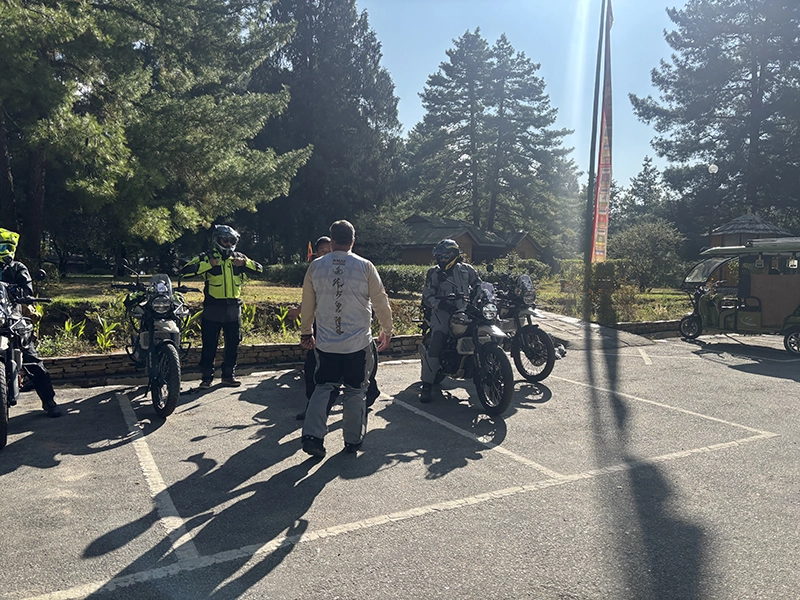
Gasa is one of Bhutan’s most remote destinations for travelers seeking a different kind of mountain experience. The journey takes riders away from busy tourist routes and into quieter northern landscapes. Mountain roads, dense forests, rivers, and traditional settlements define much of the route. The area also offers natural hot springs and access to some of Bhutan’s most rugged terrain. For motorcycle enthusiasts, the combination of isolation and scenery makes Gasa especially appealing.
Gasa lies in northwestern Bhutan and borders several other districts. The district also shares an international border with the Tibet Autonomous Region. Its terrain stretches from relatively low valleys to mountains reaching about 4,500 meters. Large portions of the district are protected within Jigme Dorji Wangchuck National Park. This geography gives Gasa a distinctly remote character compared with destinations such as Paro and Thimphu.
A motorcycle journey to Gasa requires more planning than a standard road trip. Roads can become difficult after heavy rainfall, landslides, or maintenance activity. Services are also less frequent outside the larger settlements. Weather conditions can change quickly as the route enters higher terrain. Riders therefore need patience, preparation, and enough flexibility for unexpected delays.
Why Ride a Motorbike to Gasa?
Riding a motorbike to Gasa offers a closer connection with Bhutan’s natural environment. Riders experience changes in temperature, vegetation, elevation, and road conditions directly. The route passes through mountain landscapes that are difficult to appreciate from a fast-moving vehicle. Frequent bends also create opportunities to stop safely and enjoy the surrounding scenery. The entire journey can feel more like an expedition than ordinary transportation.
Gasa is particularly attractive for riders who prefer quieter destinations. The region receives fewer visitors than Bhutan’s major tourist centers. This creates a slower travel experience with fewer crowds and less urban activity. Roads pass through villages, forests, and valleys where the landscape remains the main attraction. The remote atmosphere makes the journey feel more adventurous. Riders looking to experience more of Bhutan's mountain roads can explore Bhutan motorcycle rallies, with routes covering different regions of the country.
Another reason to ride toward Gasa is the destination itself. Gasa offers attractions that combine culture, nature, and relaxation. Gasa Tshachu is famous for its natural hot springs near the Mo Chhu River. Gasa Dzong provides an opportunity to explore Bhutanese history and architecture. The surrounding national park also adds significant environmental value to the region.
Where Is Gasa?
Gasa is located in the northwestern part of Bhutan. The district is connected with Punakha and other western regions through mountain roads. Its location places it considerably farther from the country's main urban centers. The distance and terrain contribute strongly to its secluded atmosphere. Reaching Gasa therefore requires a deliberate journey rather than a quick side trip.
The district has several remote communities spread across difficult mountain terrain. These include Goenkhatoe, Goenkhamae, Laya, and Lunana. Laya and Lunana are particularly isolated because of their elevation and difficult access. Some northern routes become extremely challenging during winter. Riders should therefore understand the difference between visiting Gasa town and continuing farther north.
Gasa’s location also places it within an important Himalayan ecosystem. Much of the surrounding land falls inside Jigme Dorji Wangchuck National Park. The protected area supports numerous animals, plants, and high-altitude ecosystems. Forests cover substantial parts of the district and create a rich natural environment. This makes the route particularly interesting for riders who enjoy nature-focused journeys.
The Route to Gasa
A common motorcycle route to Gasa approaches from Punakha. The road follows mountain terrain through rural areas and forested sections. The route gradually becomes more remote as it moves away from larger settlements. Riders encounter repeated curves and changing elevations throughout the journey. Travel time can vary significantly because mountain conditions affect average speeds.
The road toward Gasa should never be treated like a conventional highway. A relatively short distance can require several hours because of winding terrain. Riders may need to slow down for sharp bends, traffic, roadworks, and damaged surfaces. Stops for photographs can also add considerable time to the journey. Planning the day around daylight hours is therefore strongly recommended.
Starting early is particularly useful for motorcycle travelers. Morning departures provide more time to deal with unexpected delays. They also create better opportunities for enjoying the landscape without rushing. Mountain visibility can also change throughout the day. An early departure reduces the chance of reaching remote sections after sunset.
Road Conditions on the Gasa Route
Road conditions are one of the most important considerations for anyone riding to Gasa. The main route is passable by road vehicles, but surface quality can vary. Mountain roads can develop potholes, cracks, gravel patches, and drainage problems. Rain can also wash soil, stones, and debris onto the riding surface. These changes require constant attention from motorcycle riders.
Recent local reports have highlighted road damage and restoration work in Gasa District. Mountain disasters can damage roads and interrupt transportation in remote areas. Maintenance activities may therefore take place without long advance notice. Riders should check current conditions before beginning the journey. Local guides and accommodation providers can often provide useful updates.
Loose gravel is another hazard that deserves attention. Gravel can gather near the road edges and around repair sections. Riding over loose material at excessive speed can reduce motorcycle stability. Riders should slow down whenever the surface looks uncertain. Smooth steering and controlled braking are especially important in these sections.
Riding Through Mountain Roads
The mountain roads toward Gasa require a different riding approach from urban roads. Riders should enter corners at speeds that allow complete control. Blind bends should always be approached with the assumption that another vehicle may appear. Large buses and trucks can occupy significant road space around tight curves. Maintaining a safe position within the lane is therefore essential.
The road may also contain frequent elevation changes. Uphill sections can require lower gears and steady throttle control. Downhill sections require careful braking and speed management. Engine braking can help control the motorcycle on longer descents. Aggressive acceleration or braking should be avoided on unfamiliar roads. Similar riding demands can be found on the Thimphu–Phobjikha route, where steep climbs, long descents, and frequent bends make smooth speed control especially important.
Fatigue can become a major issue during a long mountain ride. Constant cornering requires continuous concentration from the rider. Cold temperatures can also increase discomfort and reduce energy levels. Taking regular breaks can help maintain concentration throughout the journey. A relaxed riding pace usually makes the experience more enjoyable.
Altitude Around Gasa
Altitude is an important factor because Gasa District covers a large vertical range. The district stretches from around 1,500 meters to approximately 4,500 meters. Gasa town itself sits considerably higher than the warmer Punakha Valley. Travelers can therefore experience noticeable environmental changes during the approach. The higher sections become cooler and less densely vegetated.
Altitude can affect riders differently depending on individual acclimatization. Some people may experience headaches, dizziness, tiredness, or shortness of breath. Others may notice very little during a short stay. Physical symptoms should never be ignored simply because the destination is close. Riders should rest whenever their bodies begin feeling unusually uncomfortable.
Higher elevation can also change the perceived temperature. Wind exposure on a motorcycle can make cold conditions feel even harsher. Riders who begin in warmer valleys may underestimate the conditions farther north. Carrying warm layers is therefore important even during warmer seasons. Weather preparation should always reflect the highest expected elevation.
Does Altitude Affect Motorcycle Performance?
Motorcycle performance can change as elevation increases. Higher locations contain less atmospheric oxygen than lower valleys. Combustion engines may therefore produce slightly less power at altitude. The effect depends on the motorcycle's engine, fuel system, and design. Modern fuel-injected motorcycles generally adapt better than older carbureted models.
Riders may notice slower acceleration during steep climbs. The motorcycle may require lower gears more frequently. Heavy luggage can make the effect more noticeable on long uphill sections. Smooth throttle control can help maintain predictable engine response. Riders should avoid forcing the motorcycle when the engine feels less responsive.
A motorcycle inspection should happen before beginning the trip. Tires should have appropriate pressure and sufficient tread depth. Brakes, chain condition, fluids, lights, and battery condition should also be checked. These simple inspections can prevent many problems in remote terrain. Preventive maintenance becomes especially valuable when repair services are limited.
Fuel Planning for Gasa
Fuel planning deserves serious attention before a Gasa motorcycle journey. Fuel stations become less convenient as riders move into remote areas. Starting with a full tank is therefore a sensible strategy. Riders should refuel whenever a reliable opportunity appears. Waiting until the tank becomes nearly empty creates unnecessary uncertainty.
Motorcycle fuel consumption can also change during mountain travel. Steep climbs generally require more engine effort than flat roads. Frequent acceleration and lower-gear riding can increase fuel consumption. Heavy luggage can create another increase in fuel use. Riders should therefore calculate fuel range conservatively.
Fuel availability can also be affected by local conditions. Remote areas may experience temporary supply limitations or irregular operating schedules. Riders should ask about current availability before leaving major towns. Carrying an appropriate emergency reserve can provide additional flexibility. A motorcycle should never be planned around its absolute maximum range.
Food and Supplies
Food and supply options become less frequent as the route moves toward Gasa. Riders should not expect the same number of restaurants found in Thimphu or Punakha. Carrying water and simple snacks is therefore a practical precaution. These supplies can be useful during unexpected delays or long road sections. They also reduce the need to rush toward the next available stop.
Gasa provides basic services for visitors, including accommodation and local shops. The hot spring area also has facilities for travelers staying overnight. However, the selection remains smaller than in major tourist centers. Riders should consider carrying essential personal items from larger towns. Planning ahead helps avoid unnecessary inconvenience.
A small first aid kit is also worth carrying. Basic motorcycle tools can provide support during minor mechanical problems. A puncture repair kit and portable inflator are particularly useful. Power banks can help when charging opportunities become limited. Remote travel is always easier when basic necessities are already available.
Gasa Tshachu Hot Springs
Gasa Tshachu is one of the main attractions for travelers reaching Gasa. The hot springs lie near the Mo Chhu River and are surrounded by mountain scenery. The area is known for natural hot-water bathing and remains popular with local residents. Several bathing pools provide different temperatures for visitors. The experience offers a relaxing break after a long motorcycle ride.
The hot springs are also part of Bhutan's traditional bathing culture. Natural hot springs have been used for generations across different regions of the country. Many visitors combine their journey with several hours at the pools. The surrounding environment creates a peaceful setting away from busy tourist areas. Riders can use the stop as an opportunity to recover from the road.
An overnight stay can make a visit to Gasa Tshachu more enjoyable. Riders do not need to rush back toward Punakha on the same day. Additional time also provides more flexibility if the road takes longer than expected. Weather delays become easier to manage with a relaxed itinerary. Spending more time in the area also allows visitors to explore other attractions.
Gasa Dzong
Gasa Dzong is another important destination within the district. The dzong has strong historical and religious significance in Bhutan. Its elevated location provides views across the surrounding landscape. Traditional Bhutanese architecture makes the structure particularly interesting for visitors. The site offers a cultural experience that complements the natural attractions.
The dzong is associated with Zhabdrung Ngawang Namgyal. It forms an important part of Gasa's historical identity. Visitors can learn more about the area's religious and administrative history. The surrounding mountains also create a dramatic setting around the structure. A visit can therefore add depth to a motorcycle-focused itinerary.
Respectful behavior is important when visiting the dzong. Visitors should follow local instructions regarding photography and access. Appropriate clothing is also advisable around religious locations. Motorcycles should be parked in safe and designated areas. Personal belongings should remain secure while exploring the site.
Wildlife Along the Route
The journey toward Gasa passes through areas with significant biodiversity. Jigme Dorji Wangchuck National Park covers a large part of the district. The protected landscape supports numerous Himalayan species. These include takin, red pandas, musk deer, blue sheep, and Himalayan black bears. The wider ecosystem also provides habitat for rare high-altitude species.
Wildlife sightings cannot be guaranteed during a motorcycle journey. Animals generally avoid busy roads and human activity. Riders should still remain attentive when passing through forested areas. Sudden animal crossings can create unexpected hazards. Slower speeds provide more reaction time when wildlife appears near the road.
Environmental responsibility is equally important. Riders should never feed animals or disturb wildlife. Waste should be carried until an appropriate disposal point is available. Loud engine revving should also be avoided in sensitive areas. Respecting the environment helps preserve Gasa's natural character.
Weather Conditions
Weather can change rapidly on the route to Gasa. Conditions in Punakha may be very different from those experienced farther north. Rain, mist, wind, and cold temperatures can develop unexpectedly. Mountain clouds can reduce visibility around bends. Riders should therefore check conditions before departure and during longer stops.
Monsoon weather can create additional difficulties. Heavy rain may affect road surfaces and cause localized landslides. Water can also collect across sections of roadway. Riding speeds should be reduced whenever the road becomes wet. Riders should avoid attempting to maintain normal speeds during severe weather.
Winter can be even more challenging at higher elevations. Snowfall may affect remote roads and northern settlements. Extremely cold conditions can also make motorcycle riding uncomfortable. Certain routes beyond Gasa become particularly difficult during winter. Anyone planning a winter motorcycle trip should confirm current conditions carefully.
Best Time to Ride to Gasa
Autumn is often considered a comfortable period for mountain travel in Bhutan. Weather conditions can be relatively stable, while mountain visibility can remain good. Roads are generally more pleasant for riders during drier periods. Cooler temperatures can also make long motorcycle journeys comfortable. However, conditions still vary from year to year.
Spring can also provide an attractive motorcycle experience. Forests become greener, and flowering plants can add color to the landscape. Temperatures are often more comfortable than during colder winter periods. Occasional rain can still affect mountain roads. Riders should therefore continue monitoring the weather.
Monsoon requires more flexibility from motorcycle travelers. Rain can create slippery surfaces, poor visibility, and road disruptions. Travel times may become longer because of difficult conditions. Riders should avoid rigid schedules during periods of frequent rainfall. A flexible itinerary provides greater safety and comfort.
What to Wear
Clothing should be prepared for changing temperatures throughout the journey. A motorcycle rider can leave Punakha in warm conditions and reach much colder terrain later. Layering provides flexibility when temperatures change. A waterproof outer layer is particularly useful during sudden rain. Wind protection is equally important because motorcycles provide little shelter from airflow.
Proper gloves are essential for long mountain rides. Cold hands can reduce comfort and make controls more difficult to operate. Waterproof riding gloves can provide extra protection during wet conditions. Riders should also carry spare layers within easy reach. Essential warm clothing should never be packed underneath all other luggage.
Protective riding equipment should remain a priority throughout the journey. A properly fitted helmet is essential. Riding jackets, trousers, gloves, and boots provide additional protection during falls. Comfort should never replace basic protective gear. Remote roads make preparation even more important.
Preparing the Motorcycle
A motorcycle should receive proper maintenance before traveling toward Gasa. Tire pressure should be checked according to the manufacturer's recommendations. Brake pads and fluid should also be inspected. Chain tension and lubrication should be verified before departure. Engine oil and coolant levels should be checked as well.
The motorcycle's lighting system should be fully functional. Mountain roads can become difficult when visibility drops unexpectedly. Battery condition also matters during colder weather. Loose luggage should be secured firmly before leaving. Vibrations on rough roads can cause poorly mounted bags to shift.
Carrying basic tools can make minor problems easier to manage. A puncture kit is particularly valuable on remote roads. A portable tire inflator adds another useful layer of security. Spare fuses and basic tools can also help with small electrical problems. Riders should understand their motorcycle well enough to perform simple checks.
Safety Tips for the Gasa Route
Moderate speed is one of the most important safety factors on this route. Mountain roads require frequent adjustments because conditions can change quickly. Riders should slow down before blind corners rather than braking heavily inside them. Following distance should also be greater behind buses and trucks. This provides additional time to respond to sudden hazards.
Wet conditions require even more caution. Tires have less grip on wet or contaminated surfaces. Gravel and mud can make corners unexpectedly slippery. Smooth braking and gentle throttle control help maintain stability. Riders should avoid sudden movements whenever the surface looks uncertain.
Fatigue should never be underestimated during mountain travel. Continuous cornering can become mentally tiring after several hours. Regular breaks allow the rider to recover concentration. Hydration and small meals can also help maintain energy levels. A slower itinerary is often safer than trying to cover too much distance.
Riding Beyond Gasa
Gasa can serve as the endpoint for many motorcycle trips. Travelers should not automatically assume that every northern destination is accessible by the same motorcycle route. Roads become more limited as the terrain becomes more remote. Some routes toward settlements such as Laya involve difficult sections. Conditions also vary according to season and weather.
Riders planning to continue beyond Gasa should research the route separately. A standard touring motorcycle may not always be appropriate. Local transport options can be more practical for certain remote areas. Riders should confirm access conditions before committing to a longer route. This is particularly important during winter. Gasa is also featured on the Trans Himalayan Motorbike Rally, which continues through remote mountain roads and varied Himalayan landscapes.
Treating Gasa as a destination rather than a simple waypoint can improve the experience. It allows enough time to explore the town and surrounding attractions. It also creates flexibility for unexpected road conditions. The journey becomes less stressful when there is no need to rush onward. This approach suits the slower nature of remote Bhutan travel.
Why Many Riders Miss Gasa
Gasa is often left out of shorter Bhutan itineraries because of its remote location. Most first-time visitors focus on Paro, Thimphu, Punakha, and other established destinations. Those places offer numerous cultural attractions within relatively short distances. Gasa requires more travel time and greater logistical preparation. As a result, many riders never include it in their plans.
The lack of major tourist infrastructure can also discourage some travelers. Gasa does not offer the same number of hotels, restaurants, and services as larger towns. However, this limitation is also part of its appeal. The area feels quieter and more authentic than many heavily visited destinations. Motorcycle travelers often appreciate that sense of isolation.
The road itself is another reason to visit. Riders encounter changing landscapes throughout the journey. Forests, rivers, mountains, and villages create a constantly evolving backdrop. The route encourages frequent observation rather than simply chasing distance. For riders who enjoy exploration, this makes Gasa especially rewarding.
Staying Overnight in Gasa
An overnight stay is worth considering for motorcycle travelers. It avoids the pressure of completing the route quickly and returning the same day. Additional time can be used to visit the hot springs or explore Gasa Dzong. It also provides protection against unexpected road delays. Mountain travel is easier when the schedule contains some flexibility.
Accommodation options include guesthouses and local homestays. Facilities are generally simpler than those found in major Bhutanese towns. This simplicity is part of the experience for many visitors. Travelers should confirm accommodation availability during busy periods. Booking ahead can also reduce uncertainty during longer journeys.
Staying overnight allows riders to experience Gasa at a slower pace. Evenings can feel noticeably quieter than those in major tourist centers. The surrounding mountains become an important part of the atmosphere. A relaxed evening also provides time to prepare for the next day's travel. This makes an overnight stop particularly useful during extended motorcycle trips.
Who Should Ride to Gasa?
Gasa is best suited to riders who enjoy scenic routes and remote destinations. Experience with mountain roads is particularly useful. Riders should be comfortable with frequent bends and variable surfaces. Patience is more valuable than high-speed riding on this route. The journey rewards people who enjoy exploration rather than quick transportation.
Less experienced riders can still consider Gasa with appropriate preparation. Traveling with an experienced guide can make navigation and planning easier. Local knowledge can also help with weather, road conditions, and accommodation. Riders should avoid attempting difficult sections beyond their comfort level. A motorcycle trip should remain enjoyable rather than stressful.
The route is especially appealing to adventure-focused travelers. It offers a stronger sense of wilderness than many standard Bhutan itineraries. The combination of cultural sites and natural attractions creates plenty of reasons to stop. Riders can enjoy the road while also exploring the destination. That balance makes Gasa a distinctive addition to a Bhutan motorcycle journey.
Practical Tips Before Leaving
Start the day with sufficient fuel and basic supplies. Check the weather before beginning the route. Confirm current road conditions with local sources whenever possible. Inspect the motorcycle carefully before entering remote sections. These simple steps can prevent many avoidable problems.
Keep water and snacks easily accessible during the ride. Carry warm and waterproof layers even during warmer seasons. Store important documents in a secure waterproof compartment. Keep a phone, power bank, and basic repair tools available. These items become particularly useful when services are limited.
Avoid creating a schedule that depends on exact arrival times. Mountain roads can experience unexpected delays throughout the year. Roadwork, weather, traffic, and landslides can all affect travel time. A flexible schedule reduces pressure and encourages safer riding. The goal should be to experience Gasa comfortably rather than reach it as quickly as possible.
Gasa by motorbike offers a remote and rewarding alternative to Bhutan's most familiar routes. The journey combines winding mountain roads, forests, rivers, villages, cultural sites, and high-altitude landscapes. Its remoteness requires more preparation, but that effort creates a more distinctive travel experience. Riders should plan carefully around fuel, weather, road conditions, and available services. With the right preparation, Gasa can become one of the most memorable motorcycle destinations in Bhutan.
Frequently Asked Questions About Motorcycling to Gasa
1. Why is Gasa considered a unique destination for motorcyclists?
Gasa offers a remote mountain experience away from Bhutan's busier tourist routes like Paro and Thimphu. The journey combines isolation, winding mountain roads, dense forests, traditional settlements, and high-altitude landscapes, giving the trip a true expedition feel.
2. What makes the road conditions to Gasa challenging?
The main route features mountain terrain with frequent curves, elevation changes, potholes, gravel patches, and potential debris from heavy rainfall or landslides. Services and road maintenance can be limited outside larger settlements, requiring riders to maintain constant focus and a moderate speed.
3. How should I plan for fuel on a Gasa motorcycle trip?
Fuel stations become scarce as you move into remote areas. You should always start with a full tank, refuel whenever a reliable opportunity arises, and calculate your fuel range conservatively to account for steep climbs and heavy luggage. Carrying an emergency reserve is also recommended.
4. What are the main attractions in Gasa once you arrive?
Gasa Tshachu: Natural hot springs near the Mo Chhu River that offer a relaxing break and a taste of Bhutanese traditional bathing culture.
Gasa Dzong: A historically and religiously significant fortress associated with Zhabdrung Ngawang Namgyal, offering stunning views and traditional architecture.
Jigme Dorji Wangchuck National Park: Surrounding protected high-altitude ecosystems that feature rich biodiversity.
5. What is the best time of year to ride to Gasa?
Autumn and spring are generally the most comfortable periods for travel, offering stable weather, good visibility, and more pleasant road conditions. Monsoon season brings heavy rain and slippery roads, while winter can introduce snow and extreme cold, particularly at higher elevations.
6. Do I need any special preparation for altitude?
Yes. Gasa District spans from 1,500 meters to approximately 4,500 meters, meaning temperatures drop significantly as you ascend. Riders should monitor themselves for altitude symptoms (like headaches or shortness of breath), rest when needed, and pack warm layers and windproof gear regardless of the season at lower elevations.