
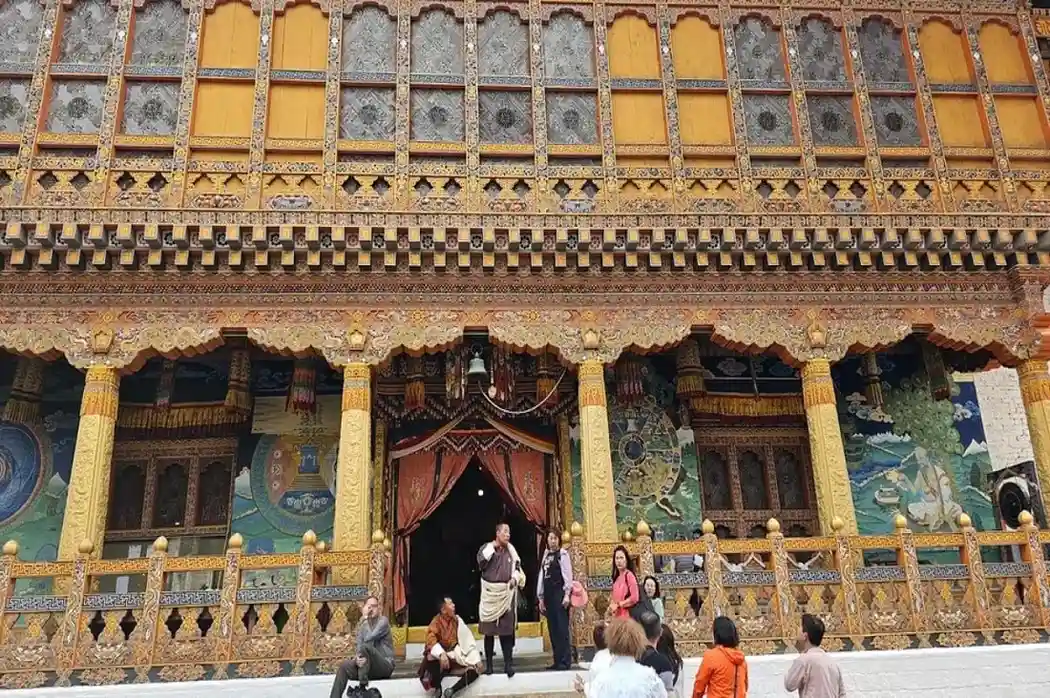
Jambay Lhakhang Drup is one of the oldest and most sacred festivals in Bhutan. Held each year in the Bumthang valley, it draws pilgrims, monks, and travelers alike. The festival blends ancient legend, deep spirituality, and vivid performance. At its heart stands Jambay Lhakhang, a temple built in the 7th century. Visitors come to witness masked dances, sacred fire rituals, and rare ceremonies found nowhere else. This guide explores the history behind the festival, its most important rituals, and practical photography tips. Whether you plan to attend in person or simply want to learn more, this guide helps. It covers everything you need to know about Jambay Lhakhang Drup.
Quick Facts About Jambay Lhakhang Drup
- Location: Jambay Lhakhang, Choekhor, Bumthang, Bhutan
- Origin: Temple founded in the 7th century by King Songtsen Gampo
- Duration: Four days, following the Bhutanese lunar calendar
- 2026 dates: October 26 through 29 (subject to confirmation)
- Signature rituals: Mewang fire ceremony and Tercham naked dance
- Best for: Culture lovers, photographers, and spiritual travelers
What Is Jambay Lhakhang Drup
Jambay Lhakhang Drup is an annual religious festival held in Bumthang, central Bhutan. The word Drup refers to a religious festival tied closely to Buddhist ritual practice. Unlike larger public festivals such as the Paro Tsechu, this event feels intimate and deeply local. It takes place at Jambay Lhakhang, one of the oldest temples in Bhutan. The festival honors Guru Rinpoche, the saint credited with bringing Buddhism to the region. It also marks the founding of the temple itself. Locals see the event as both a spiritual duty and a community celebration. For many Bhutanese families, attendance is a tradition passed down through generations.
Why Jambay Lhakhang Drup Stands Out Among Bhutanese Festivals
Bhutan hosts many tsechus throughout the year, each with its own character. Paro Tsechu and Thimphu Tsechu draw the largest crowds and grandest displays. Jambay Lhakhang Drup feels smaller, older, and more intimate by comparison. The temple courtyard is compact, placing visitors close to the action. Because the event centers on one of the oldest sites in Bhutan, history feels present everywhere. The combination of fire, midnight ritual, and ancient legend sets it apart from other festivals. Many travelers describe it as one of the most memorable events they have witnessed in the Himalayas.
The History of Jambay Lhakhang Temple
The Legend of the Demoness and the 108 Temples
The story of Jambay Lhakhang begins in the 7th century. According to legend, Tibetan King Songtsen Gampo sought to spread Buddhism across the Himalayas. A powerful demoness was said to block this spiritual mission. To subdue her, the king built 108 temples in a single day. Each temple pinned down a different part of her body. Jambay Lhakhang was built to hold down her left knee. This act symbolized the victory of Buddhist teaching over darkness and obstruction. A sister temple, Kyichu Lhakhang, was built the same day in Paro. Together these two temples remain among the oldest in Bhutan.
Guru Rinpoche and the Sacred Site
Centuries after its founding, Jambay Lhakhang gained even deeper spiritual meaning. Guru Rinpoche, the great tantric master, is said to have visited the site several times. He considered the location exceptionally sacred for meditation and blessing. His visits linked the temple permanently to the spread of Vajrayana Buddhism in Bhutan. This connection remains central to why the festival honors him each year. Many Bhutanese believe prayers offered here carry special power. The temple grounds still hold relics and artifacts tied to this history.
Later Additions and Royal Contributions
Over time, Jambay Lhakhang expanded well beyond its original structure. In the late 19th century, the first King of Bhutan added a chapel. This chapel houses more than one hundred statues linked to the Kalachakra teachings. He built it to mark victory in an important battle in 1885. Later, a sister of the second King added the Chorten Lhakhang. The main relic inside the temple is a statue of the future Buddha, Jowo Jampa. This statue gives the temple its present name. Each addition reflects a different chapter in the long religious history of Bhutan.
When and Where the Festival Takes Place
Jambay Lhakhang Drup takes place in Choekhor, within the Bumthang valley. Bumthang sits in central Bhutan and is considered the spiritual heartland of the country. The festival follows the Bhutanese lunar calendar, so exact dates shift each year. It typically falls in late October or early November. In 2026, the festival is scheduled for October 26 through 29. Always confirm exact dates with the Tourism Council of Bhutan or a licensed operator before booking travel. The event usually runs across four days, filled with dance, ritual, and celebration.
Rituals and Highlights of Jambay Lhakhang Drup
Mewang, the Fire Ceremony
Mewang is the fire ceremony held on one evening of the festival. Large bonfires are lit in the courtyard outside the temple. Local men run beneath and around the flames as a form of purification. The ritual is believed to cleanse sins and remove obstacles from daily life. It is also linked to fertility blessings for couples hoping to have children. Crowds gather early to secure a good view of the fires. The energy during Mewang is intense, loud, and deeply communal.
Tercham, the Naked Dance
Tercham, often called the naked dance, is the most famous ritual of the festival. It takes place at midnight, following the fire ceremony. Sixteen men perform the dance with their faces covered by masks or cloth. Tradition says the ritual was introduced by the treasure discoverer Terton Dorje Lingpa. The dance is meant to bless fertility and ward off evil spirits. Despite its name, the ritual carries deep religious meaning rather than shock value. Locals view it with reverence, not curiosity. Some restrictions may apply to who can watch this specific ritual, so check with your guide beforehand.
Mask Dances and Cham Performances
Alongside Mewang and Tercham, the festival features a rich program of Cham dances. Monks and lay performers wear elaborate costumes and painted masks. Each dance tells a story rooted in Buddhist teaching or local legend. The Raksha Mangcham, or Judgment of the Dead, depicts the journey after death. Elderly viewers often watch this dance closely as spiritual preparation. Another highlight is the Black Hat Dance, performed with slow, deliberate movement. A playful clown dance called Dola Pangtoy Shazam adds lighter moments between the sacred performances.
The Symbolism of Colors and Masks
Every mask and costume color used in Cham dances carries specific meaning. Red often represents power or wrathful deities that protect Buddhist teaching. White typically symbolizes purity, peace, or benevolent spirits. Black masks, worn during dances like the Black Hat Dance, represent protection against negative forces. Animal masks, such as those of deer or garuda, connect dances to older Bon traditions absorbed into Buddhism. Understanding this symbolism adds depth to watching, and photographing, each performance.
Other Cultural Activities
Beyond the main rituals, the festival grounds buzz with everyday Bhutanese life. Families dress in their finest gho and kira, the national clothing. Vendors sell food, snacks, and simple handicrafts around the courtyard. Monks chant continuously inside the temple throughout the event. Villagers from Norgang, Changwa, and Nangsiphel take turns performing different dances. The atmosphere mixes solemn devotion with genuine festive joy.
Spiritual and Cultural Significance
Jambay Lhakhang Drup is far more than a tourist spectacle. For Bhutanese people, it represents faith, memory, and continuity. The festival links present generations to events from over a thousand years ago. Watching the dances is considered a form of merit making for many attendees. Elders often explain that certain dances prepare the mind for death and rebirth. This makes the festival both a celebration and a teaching tool. Visitors who understand this context tend to leave with a deeper appreciation.
Bumthang Valley: The Cultural Heartland of Bhutan
Bumthang is often called the spiritual heartland of Bhutan. The valley holds some of the oldest temples and monasteries in the country. Nearby sites include Kurjey Lhakhang, where Guru Rinpoche is said to have left a body print in stone. Tamshing Lhakhang, founded in the 16th century, sits just a short walk away. Jakar Dzong overlooks the valley and offers sweeping views for photographers. Local farmhouses in the area still follow traditional building methods passed down for centuries. Visiting these sites before or after the festival adds valuable context to your trip.
Photography Tips for Jambay Lhakhang Drup
Gear and Preparation
Bring a camera body that performs well in low light, since evenings turn dark quickly. A telephoto lens, around 70 to 200mm, works well for dance shots. A wider lens helps capture the temple courtyard and crowd atmosphere. Pack extra batteries, since cold evening air drains power faster than usual. Bring enough memory cards, since festival days offer nonstop photo opportunities. A small flashlight helps you move safely once the sun goes down.
Best Times and Angles for Shots
Morning light works best for portraits of families in traditional dress. Arrive early to photograph the temple exterior before crowds fill the courtyard. During Cham dances, shoot from a low angle to capture the height of the masks. Look for detail shots too, such as costume patterns, hand gestures, and drum beats. For Mewang, use a tripod and slower shutter speed to capture the movement of flames. Keep a respectful distance from the fire for both safety and courtesy.
Etiquette and Restrictions
Always ask permission before photographing monks, elders, or children up close. Avoid using flash near murals, statues, or other fragile religious objects. Photography inside the shrine room is usually not allowed, so follow your guide. Tercham, the naked dance, often has restrictions on photography, filming, or attendance for outsiders. Check current rules with your guide well before midnight, since policies can change. Never block seated locals or step into the dance space for a better shot. Stay quiet during sacred moments, and avoid loud comments or sudden movement.
Capturing the Fire Ceremony Safely
Mewang photography can be tricky, given the smoke, heat, and moving crowd. Position yourself upwind from the fire to avoid smoke in your shots. A monopod can help you stay steady while keeping mobility in a packed courtyard. Use a higher ISO rather than flash to preserve the natural glow of the fire. Watch your footing at all times, since the ground can be uneven in low light. Safety always comes before getting the perfect frame.
Travel Tips for Visiting
Bumthang can be reached by domestic flight from Paro or by a scenic road trip. The drive from Paro or Thimphu takes about six to eight hours. Pack warm layers, since late October evenings in Bumthang turn cold quickly. Book accommodation well in advance, since the festival draws visitors from across the world. All international travelers need a licensed guide and a pre-arranged itinerary in Bhutan. A valid visa and Sustainable Development Fee payment are required before arrival. Combine your festival visit with nearby sites like Kurjey Lhakhang and Tamshing Lhakhang. Comfortable walking shoes help, since much of the festival involves standing or walking on uneven ground.
Frequently Asked Questions
When is Jambay Lhakhang Drup held?
The festival follows the Bhutanese lunar calendar and usually falls in October or November. In 2026, it is scheduled for October 26 through 29. Dates can shift slightly, so confirm details closer to travel.
Can tourists watch the Tercham naked dance?
Access to Tercham can vary by year and by local decision. Some viewings are limited to locals only, especially inside the temple courtyard. Always check current access rules with a licensed Bhutanese guide.
What should visitors wear to the festival?
Modest clothing is expected, covering both shoulders and legs. Warm layers help during cool evenings, especially around midnight rituals. Many visitors choose to wear a gho or kira out of respect.
Is photography allowed during Jambay Lhakhang Drup?
Photography is generally allowed at most public parts of the festival. Flash photography and photography inside shrine rooms are usually restricted. Certain rituals, including parts of Tercham, may carry separate restrictions.
How long does the festival last?
The festival usually runs for four days. The most anticipated events, Mewang and Tercham, happen toward the middle of the celebration. Many visitors plan for at least two full days at the site.
Is the festival suitable for families with children?
Daytime events, including mask dances and market activities, work well for families. The late night Tercham ritual may not suit young children, given the hour and content. Parents should plan accordingly and check with their guide.
Jambay Lhakhang Drup offers a rare window into living Bhutanese spirituality. Its history stretches back over a thousand years, rooted in legend and devotion. Its rituals, from Mewang to Tercham, remain unlike anything found elsewhere in the world. For photographers, the festival offers striking images paired with deep cultural meaning. Approach the event with patience, respect, and curiosity. Doing so rewards visitors with memories, and photographs, that last a lifetime.