
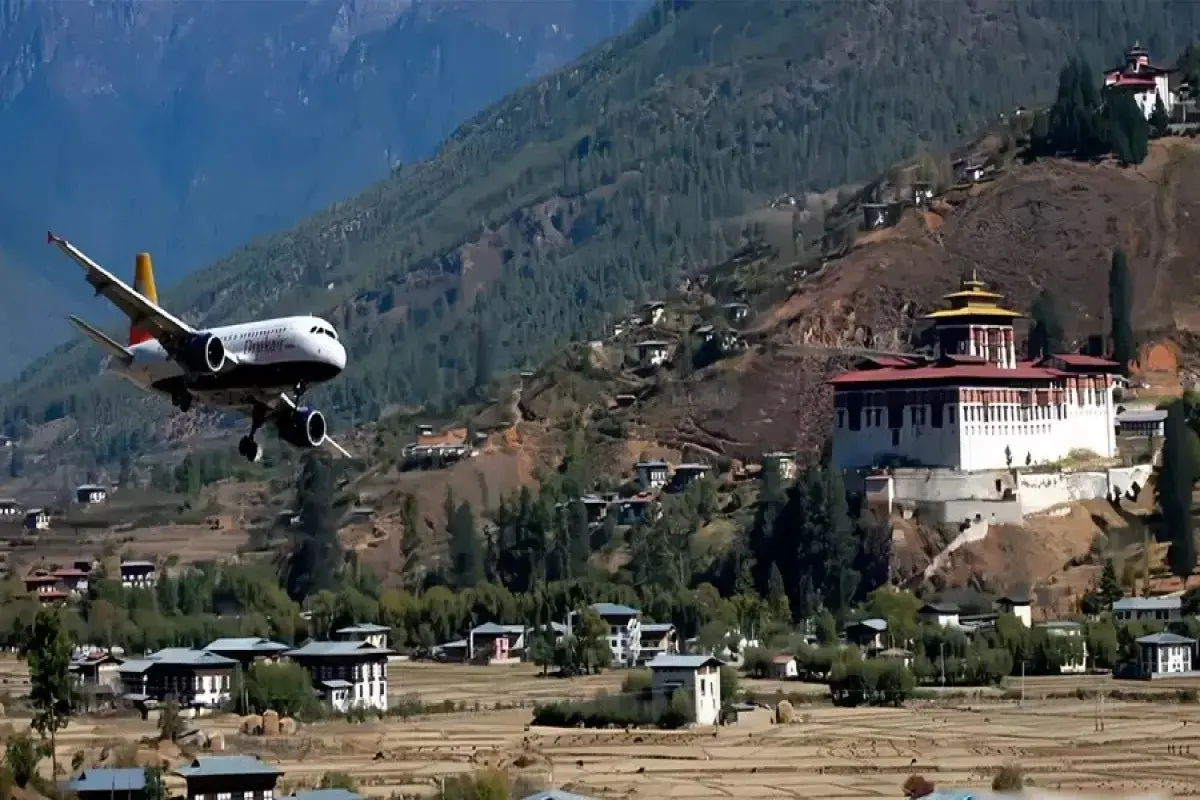
The Phobjikha Nature Trail, also called the Gangtey Nature Trail, winds through one of the most scenic valleys in Bhutan. Flat paths, gentle forest, and open farmland make it easy for children to enjoy. Unlike multi-day treks, this walk needs no special gear or permits. This guide explains why families rate it among the best short walks in Bhutan.
Where Is the Phobjikha Nature Trail?
Phobjikha Valley sits in central Bhutan at an elevation of around 3,000 meters. It lies roughly four hours from Paro by road and about two hours from Punakha. The broad glacial valley is framed by pine forests and rolling hills. Part of the valley is a protected wetland, managed for its rich birdlife and plants. This wetland holds international recognition and shelters more than a dozen threatened species. A local conservation group oversees the area, balancing tourism with habitat protection.
The nature trail itself covers around four to six kilometers, depending on the route chosen. Most families complete it in about ninety minutes to two hours at a relaxed pace. The path stays mostly flat, with only gentle changes in elevation along the way. This makes it far gentler on young legs than most Himalayan trails.
Why Does This Trail Suit Families With Kids?
Families like this trail because it asks little of children beyond steady walking. There are no steep climbs, technical sections, or high altitude passes to cross. The wide path is easy to follow, even for first time hikers. Parents can also shorten the walk by arranging a vehicle pickup partway through.
No trekking permits or camping gear are required for this day walk. A guide is still recommended, both for safety and to explain the surroundings. Because it starts and ends near a road, logistics stay simple for families. This makes Phobjikha a relaxed alternative to longer, more demanding treks in Bhutan.
What You Will See Along the Way
The trail begins near Gangtey Monastery, a striking structure perched above the valley. From here, the path descends through forests of pine and dwarf bamboo. Boardwalks carry walkers safely across sections of protected wetland below. Children often enjoy spotting horses grazing in the open meadows nearby.
Further along, the trail passes potato farms, scattered farmhouses, and a small village school. Many families pause here to chat with locals or watch daily village life. The walk usually ends near Khewa Lhakhang, a temple dating back several centuries. Along the route, viewpoints offer wide, open views across the entire valley floor.
Black Necked Cranes and the Best Season to Spot Them
Phobjikha Valley is famous as the winter home of the endangered black necked crane. These birds arrive from the Tibetan plateau in late October each year. They stay in the valley until early March, feeding across the protected wetland. Local legend says the cranes circle Gangtey Monastery three times on arrival.
Spotting cranes is a highlight for many children, especially with a pair of binoculars. The Black Necked Crane Festival takes place every November at Gangtey Monastery. It features masked dances, music, and displays about crane conservation efforts. Outside winter, the valley stays green and peaceful, though without the cranes present.
Nearby Family Activities in Phobjikha Valley
A short visit to Phobjikha pairs well with a few other family activities. The Black Necked Crane Information Centre offers exhibits that children usually enjoy. Telescopes there let kids watch cranes up close without disturbing the birds. A stop at Gangtey Monastery adds cultural context before or after the walk. Some families also choose a farmhouse stay nearby for a slower, homier pace.
Tips for Walking the Trail With Children
Bring warm layers, since Phobjikha sits at altitude and mornings can feel cold. Sturdy, comfortable shoes work better than sandals on the mixed forest and field terrain. Pack water and simple snacks, since shops along the trail are limited. A pair of binoculars adds real value during the winter crane season.
Plan for regular rest stops, letting children explore rather than rushing the distance. Starting in the morning usually means softer light and a quieter trail. If a child tires, arranging pickup at a midpoint keeps the day stress free. Always confirm the current route and conditions with your guide beforehand.
Best Time to Visit Phobjikha Valley With Family
Winter, from November through February, is best for families hoping to see cranes. Days are cold but often clear, with stunning light across the valley. Spring and autumn bring milder weather and greener or golden farmland scenery. Summer months can be wet, so trail conditions may be muddier underfoot.
Quick Questions Parents Ask
Is the Phobjikha Nature Trail suitable for young children?
Yes, the flat, well marked path suits most children who can walk steadily.
How long does the walk take with kids?
Most families finish in about two hours, allowing time for rest stops.
When is the best time to see black necked cranes?
Cranes are present from late October through early March each year.
Do families need a guide for this trail?
A guide is not legally required here, but most families find one helpful.
The Phobjikha Nature Trail offers families rare, easy access to real Himalayan scenery. Children experience forests, farmland, and rare wildlife without a demanding climb. Paired with warm layers and simple planning, it suits a wide range of ages. For many visitors, this gentle valley walk becomes a favorite memory of Bhutan.