
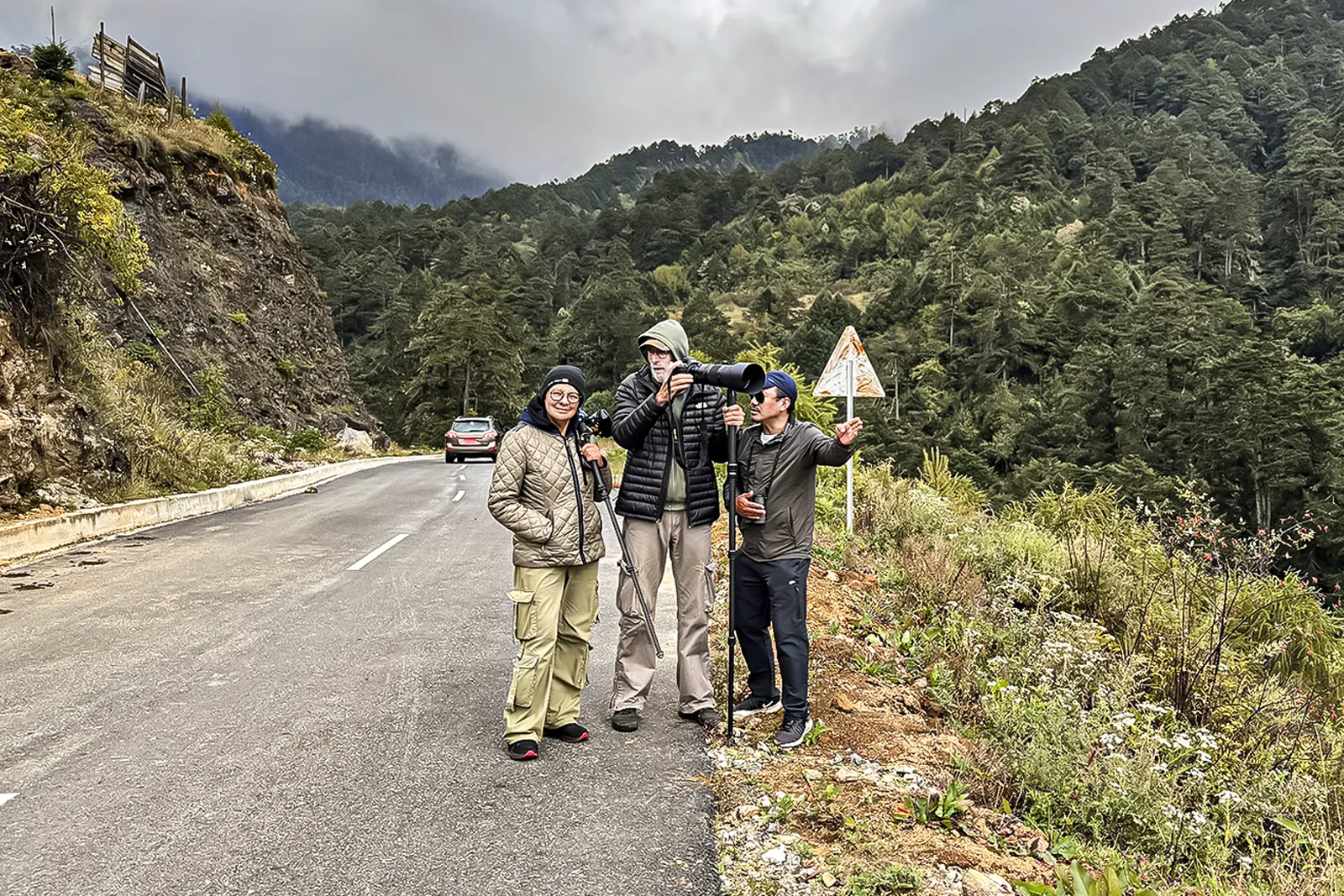
Eastern Bhutan rarely appears on a first time family itinerary. Most visitors stay within Paro, Thimphu, and Punakha. For families weighing a trip east, one question tends to dominate. Is the long drive genuinely worth it.
This remote region offers a slower, more traditional side of Bhutan. It also demands far more travel time than the popular western circuit. This guide breaks down the real distances, the road conditions, and the actual payoff for families.
Every figure below comes from current route data and local tourism sources. The goal is a realistic picture families can plan a trip around. By the end, the tradeoffs should feel clear rather than confusing.
What Makes Eastern Bhutan Different
Eastern Bhutan includes districts like Trashigang, Mongar, Trashiyangtse, and Lhuentse. These areas remain far less commercialized than Bhutan's western valleys. Tourist infrastructure here is simpler, and crowds are noticeably smaller than in the west.
The region is known for its rich textile heritage, especially around Lhuentse. Kishuthara, an intricately patterned silk textile, is woven mainly in Khoma village. Local girls often learn the backstrap loom from as young as eight years old. A single complex piece can take many months, sometimes close to a year, to finish. Families interested in craftsmanship may find this especially rewarding to witness firsthand.
Cultural sites in the east feel less polished but more lived in. Chorten Kora in Trashiyangtse loosely echoes Nepal's famous Boudhanath Stupa. Trashigang Dzong, built in 1659, still functions as an administrative and religious center. The high country around Merak and Sakteng is home to the semi-nomadic Brokpa people. They are known for their distinctive spider shaped hats and their yak herding lifestyle.
Nature lovers will find real appeal in the east too. Bumdeling Wildlife Sanctuary is one of only two wintering sites for black necked cranes in Bhutan. The other, better known site is Phobjikha Valley in the west. The overall eastern landscape feels wilder and far less shaped by tourism.
Understanding the Drive: Distances and Travel Times
The honest challenge with eastern Bhutan is simply distance. Most families do not drive from Thimphu to Trashigang in a single day. The journey is usually broken into stages across three or four days.
Here is a realistic breakdown of the main road segments.
- Thimphu to Punakha: about 77 kilometers, roughly 1.5 hours
- Punakha to Bumthang: about 212 kilometers, roughly 8 to 9 hours
- Bumthang to Mongar: about 198 kilometers, roughly 7 to 8 hours
- Mongar to Trashigang: about 91 kilometers, roughly 3 to 4 hours
- Mongar to Lhuentse: about 76 kilometers, roughly 3 hours
- Trashigang to Trashiyangtse: about 55 kilometers, roughly 2 hours
Added together, cumulative driving time toward Trashigang runs close to twenty hours. That total is exactly why operators split the route into stages. Common overnight stops include Punakha, Bumthang, and Mongar along the way.
Roads throughout eastern Bhutan are notably narrow, with frequent switchbacks. Some stretches involve ongoing road widening work and rough surfaces. Actual travel speed is usually much slower than raw distance suggests.
For families short on time, this travel commitment is substantial. A full loop east and back can consume half of a shorter trip. This is the central tradeoff every family needs to weigh honestly.
Families entering from northeast India sometimes use Samdrup Jongkhar as an alternate gateway. This border route can shorten the loop for certain itineraries. Discuss entry and exit points with your operator well before booking flights.
Crossing the Mountain Passes: Altitude and Motion Sickness
Unlike the moderate elevation of the western valleys, the eastern route climbs higher. Thrumshing La, between Bumthang and Mongar, sits at about 3,780 meters. It is the second highest motorable mountain pass in the entire country. Yotong La, crossed earlier near Trongsa, adds another high altitude stretch before Bumthang.
This makes altitude a more relevant concern than on the classic western loop. Watch for headaches, fatigue, or appetite changes during the higher stretches. Keep children hydrated and take breaks during long mountain climbs.
Combined with winding roads, motion sickness becomes a real concern on this route. Bring a remedy recommended by your child's doctor before departing. Frequent short stops can help reset restless children on the longest driving days.
Thrumshing La is sometimes closed briefly during heavy winter snowfall. Check current road conditions with your tour operator before finalizing travel dates. This is one more reason to keep an eastern itinerary flexible.
Temperatures can swing sharply between valley floors and high passes in a single day. Pack warm layers even if lower elevations feel comfortably warm. A sudden climb can turn a mild afternoon distinctly chilly within an hour.
Flying to Eastern Bhutan: The Yonphula Shortcut
For families wanting to cut driving time, flying offers a genuine shortcut. Yonphula Airport near Trashigang connects to Bhutan's small domestic flight network. A flight from Paro takes about 45 minutes, replacing many hours of mountain driving.
Yonphula sits at high altitude, roughly 20 to 27 kilometers from Trashigang town. Expect a further drive of about 45 minutes to an hour after landing. Flight schedules are limited, often running just a few times weekly.
This option suits families who prefer more days exploring rather than traveling. Combining a flight in one direction with a scenic drive out is popular. Discuss this hybrid option directly with your tour operator early in planning.
Domestic flights in Bhutan can be affected by weather and visibility. Always keep a backup plan in mind, especially during winter months. Your operator should be able to suggest realistic contingency options if flights are delayed.
Is Eastern Bhutan Kid Friendly Once You Arrive
Once in the east, activities tend to feel slower and more low key. There are fewer big hikes or structured attractions built specifically for children. Instead, the appeal lies in immersive, hands on cultural moments.
Visiting the weaving village of Khoma can genuinely engage curious kids. Watching intricate silk patterns come together offers a real hands on lesson. Many children respond well to seeing craftsmanship happen right in front of them.
Festivals, when timed well, offer excellent family entertainment in the east. The Trashigang Tshechu, usually held in November, features masked dances and music. It also draws the Brokpa community down from Merak and Sakteng in traditional dress. The Chorten Kora festival in Trashiyangtse draws pilgrims from both sides of the border. These events can be genuinely memorable for children if travel dates line up.
Nature focused stops suit families who enjoy exploring the outdoors together. Bumdeling Wildlife Sanctuary is especially rewarding between November and February. That is when black necked cranes arrive from the Tibetan plateau to winter there. Gentle birdwatching walks are generally manageable for most school age children.
Accommodation and dining in the east remain simpler than in the west. Expect comfortable guesthouses and small hotels rather than large luxury resorts. Families who value polish over authenticity should set expectations accordingly before departing.
Weighing the Tradeoffs: Who Should Make the Journey
For families with limited time, eastern Bhutan is a tougher sell. The driving demands, especially with young children, are genuinely significant. Shorter western itineraries usually deliver more variety of activity per travel day.
For families with flexible schedules, the calculation shifts considerably in favor of going. Eastern Bhutan offers a rare, uncrowded glimpse into traditional Bhutanese life. Families who value depth over density may find this trade worthwhile.
Consider your children's tolerance for long car rides honestly before committing. Kids who struggle with motion sickness may find this route particularly draining. Families with easygoing travelers tend to adapt more comfortably to the pace.
As a rough guide, plan at least ten to twelve days total. That allows enough time for both western highlights and the eastern loop. Anything shorter usually forces families to rush one region or the other.
Practical Tips for Families Traveling East
Break the drive into manageable segments rather than one long push. Overnight stops in Punakha, Bumthang, and Mongar spread out travel fatigue considerably. These stops also add worthwhile sightseeing along the route itself.
Pack entertainment, snacks, and comfort items specifically for long driving days. Audiobooks, simple games, or familiar snacks ease restlessness on mountain roads. Small comforts make a noticeable difference across extended stretches of driving.
Every international visitor must book through a licensed Bhutanese tour operator. This is a legal requirement rather than an optional add on. Your operator also handles the Sustainable Development Fee due for each traveler.
That fee currently runs at 100 US dollars per person, per night. Children under six years old travel free of this charge entirely. Children between six and twelve years old pay half the standard adult rate.
Mobile signal and internet access grow patchy once you leave larger towns. Download offline maps, music, and games before setting out each morning. Treat this as a chance for a family digital break rather than an inconvenience.
Work closely with your operator to build a realistic daily pace. Eastern Bhutan itineraries generally need more travel days than western only routes. A rushed eastern trip often creates more stress than reward for young families.
Final Verdict
The long drive to eastern Bhutan asks for a genuine sacrifice of family time. For families seeking authenticity, space, and a slower pace, it delivers real reward. For those wanting maximum activities packed into a short trip, western Bhutan remains the easier fit.
Weigh your children's travel stamina honestly against the depth this region offers. There is no universally correct answer, only the right fit for your particular family.
Frequently Asked Questions
1. What is the best time to visit eastern Bhutan with kids?
Late autumn and early winter suit families particularly well. November brings clear skies, mild days, and the Trashigang Tshechu festival. It also marks the start of black necked crane season at Bumdeling Wildlife Sanctuary.
2. How many days should a family plan for an eastern Bhutan trip?
Most operators recommend at least ten to twelve days in total. This allows time for both western highlights and the full eastern loop. Shorter trips usually force families to skip one region entirely.
3. Is the drive to eastern Bhutan safe for young children?
Yes, when paced sensibly across several days with regular breaks. Roads are well maintained but narrow, winding, and genuinely mountainous throughout. Car seats and seatbelt arrangements should always be confirmed with your operator beforehand.
4. Can families fly instead of driving the entire way?
Yes, Yonphula Airport near Trashigang offers a genuine shortcut by air. A flight from Paro takes about 45 minutes each way. Many families combine one flight leg with one scenic overland drive.
5. Do children need altitude precautions on the eastern route?
Some caution helps, since passes like Thrumshing La exceed 3,700 meters. Watch for headaches, fatigue, or reduced appetite at these higher elevations. Frequent breaks and steady hydration generally prevent serious discomfort in most children.
6. What is the minimum recommended age for this drive?
There is no strict rule, but many families wait until age four or five. By then, most children manage long car rides more comfortably overall. Babies and toddlers can still travel well with careful planning and breaks.
7. Are English speaking guides available in eastern Bhutan?
Yes, licensed Bhutanese tour operators provide English speaking guides nationwide. Guides in the east are often especially knowledgeable about local culture. They can also help translate during festivals and village weaving visits.
8. Does the Sustainable Development Fee cost less for children?
Yes, children under six pay no Sustainable Development Fee at all. Children between six and twelve pay half the standard adult rate. Children twelve and older pay the same full rate as adults.