
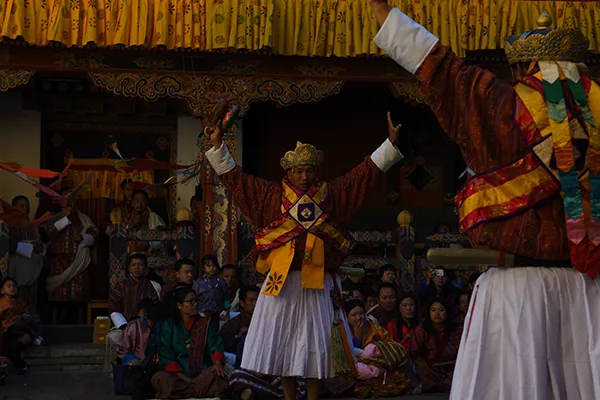
The Haa Summer Festival is one of the most unique festivals in Bhutan. It celebrates the nomadic culture of the Haa valley in the west. Unlike the religious tsechus held elsewhere, this festival focuses on daily life and tradition. This guide covers the food, the dances, and practical tips for visitors. It also explains the history and best ways to experience the event.
What Is the Haa Summer Festival
Haa Summer Festival is a two day cultural celebration held in the Haa valley. It was introduced in 2011 by the Tourism Council of Bhutan. The goal was to promote tourism in one of the least visited districts in the country.
Unlike a tsechu, this festival is not centered on Buddhist ritual. It focuses on the everyday life of the Haaps, the people of Haa. Visitors get a rare look at nomadic herding, local food, and highland customs found nowhere else in Bhutan.
History and Purpose of the Festival
Haa valley remained closed to foreign visitors until 2002. It sits in the far west of Bhutan, near the border with Tibet. For centuries, its isolation kept many old customs and rituals fully intact.
After the valley opened, local authorities wanted a way to share its culture. The Haa Summer Festival was created for exactly that purpose. It gave the Haaps a stage to show their traditions to outside visitors. It also brought steady tourism income to a valley that had little of it before.
The festival blends Buddhist and Bon influences, since both traditions run deep in Haa. Bon is an older belief system that existed in the Himalayas before Buddhism arrived. Traces of Bon ritual still appear in local ceremonies during the festival.
Haa is one of the smallest and least populated districts in Bhutan. Many residents still follow a semi nomadic lifestyle, herding yaks between seasonal pastures. This way of life is exactly what the festival aims to preserve and share.
When Is the Haa Summer Festival Held
The Haa Summer Festival usually takes place in early July. It is most often held on the first or second weekend of the month. Exact dates follow the Bhutanese lunar calendar, so they shift slightly from year to year.
Because timing depends on the lunar calendar, travelers should confirm dates with a Bhutan tour operator well before booking. This is especially important for anyone planning a trip specifically around the festival. The festival is sometimes listed as the Alpine Summer Festival or the Monsoon Festival.
The event typically runs for two days. Some years have seen it extended to three days, depending on local planning.
Where the Festival Takes Place
The festival grounds sit in Haa town, in the valley of the same name. Haa valley lies west of Paro, across the dramatic Chelela Pass. At nearly 4,000 meters, Chelela is the highest motorable pass in Bhutan.
The drive from Paro takes around two hours and offers sweeping mountain views. Haa itself sits at roughly 2,700 meters above sea level. The town is small, quiet, and surrounded by pine forests and grazing yaks.
Some ceremonies during the festival take place near Lhakhang Karpo, a historic temple in the valley. This site adds a spiritual layer to what is otherwise a folk celebration.
Traditional Dances and Performances at Haa Summer Festival
Dance is at the heart of the Haa Summer Festival. The Yak Cham, a mask dance performed by local villagers, often opens the event. Dancers wear yak costumes and move to the rhythm of drums and cymbals.
Unlike the formal Cham dances seen at a tsechu, the Yak Cham has an earthier, playful feel. It reflects the daily bond between the Haaps and their herds.
Zhey and Boedra are two folk dance styles performed throughout the festival. Local women often lead these dances, wearing colorful traditional dress. Songs accompanying the dances tell stories of the land, love, and highland life.
Bon influenced rituals also appear during the festival, unique to this part of Bhutan. These performances are not staged purely for tourists. Local families and youth groups take genuine pride in performing them each year.
Toward the end of the festival, visitors are often invited to join the dancing. Locals teach simple steps to anyone willing to try. This open participation is part of what makes the event feel welcoming rather than formal.
Local Sports and Competitions
Traditional sports form a major part of the Haa Summer Festival. Archery, known locally as dha, is the national sport of Bhutan. Teams compete with handmade bamboo bows, and each hit is celebrated with song.
Khuru, a dart throwing game, is another popular event at the festival. Soksum, a javelin throw using a bamboo pole, also draws large crowds. Wrestling matches add a more physical element to the competitions.
Visitors are often welcome to try archery or khuru themselves. Locals are usually happy to teach the basics to curious travelers.
Food to Try at the Haa Summer Festival
Haa cuisine is distinct from food found elsewhere in Bhutan, shaped by its cold climate. Buckwheat, rather than rice, is the main staple in the valley.
Hoentey is a dumpling made from buckwheat dough, filled with turnip greens and cheese. Khuley is a simple buckwheat pancake, often served with butter or cheese. Puta refers to buckwheat noodles, usually served in a warm broth.
Yaksha kam, or dried yak meat, is another regional specialty worth sampling. Ezay, a spicy chili paste, is served alongside most dishes for extra heat. Tse thu, a local porridge, rounds out the traditional menu at festival stalls.
Mushroom dishes also appear during the festival, made from wild mushrooms found in the surrounding forests. Yak milk products, including butter and cheese, are demonstrated and sold at several stalls.
No description of Haa food is complete without ara, the local spirit distilled from grain. Ara is often served warm, sometimes with egg or butter stirred in. A formal ara ceremony, called tshogchang, takes place around a bonfire during the festival.
Suja, Bhutanese butter tea, is commonly served alongside festival meals. It is made from tea leaves, butter, and salt, churned together until smooth. The taste is savory rather than sweet, and it helps travelers stay warm at altitude.
Craft and Culture Displays
Beyond food and dance, the festival highlights traditional Haa craftsmanship. Local artisans display handwoven textiles with patterns unique to the valley. Yak hair products, including ropes and bags used by herders, are also on show.
Demonstrations often include choeshum construction, the shrine room found in traditional Bhutanese homes. Thangka painting, wood carving, and bamboo craft are also demonstrated by local masters.
Visitors can watch a full yak milking and cheese making demonstration inside a traditional nomadic tent. Some booths even hold friendly competitions measuring rice and butter using traditional scales.
Alpine Flowers and Natural Attractions Near Haa
Haa valley is known for its alpine meadows and rare wildflowers. The white poppy, scientifically named Meconopsis superba, grows only in this part of Bhutan. It reaches heights of up to one and a half meters at high altitude.
The flower typically blooms during the summer months, around the same time as the festival. Rhododendron forests also color the hillsides leading up to Chelela Pass. Many visitors combine the festival with short nature walks through these forests.
Wildlife sightings are possible too, since the valley sits close to protected forest land. Birdwatchers sometimes spot high altitude species not commonly seen elsewhere in Bhutan.
Local Tips for Visiting the Haa Summer Festival
Haa sits at high altitude, so the weather can change quickly, even in July. Mornings are often cool, while afternoons can turn warm under direct sun. Bringing layers, including a light jacket, is a smart idea.
July falls during the monsoon season in Bhutan, so rain is common in the afternoons. A light raincoat or umbrella is worth packing alongside warmer layers. Comfortable walking shoes help, since festival grounds can turn muddy after rain.
Dress modestly, as with any cultural event in Bhutan. Comfortable, neat clothing that covers the shoulders and knees is a safe choice. Traditional gho and kira are not required, but locals appreciate visitors who try them.
Keep an eye out for the rare white poppy, found only in the hills around Haa. This flower grows at high altitude and blooms during the summer months. It cannot be found growing wild anywhere else.
Photography is welcome throughout most of the festival, unlike the stricter rules at a tsechu. Visitors should still ask before photographing individuals up close. A polite gesture or a few words of greeting go a long way with the Haaps.
Since the festival is still relatively small, crowds stay manageable compared to larger tsechus. This makes it easier to interact directly with performers and local families. Respectful curiosity is usually welcomed and often returned with genuine warmth.
Getting to Haa Valley and Where to Stay
Most visitors reach Haa from Paro, since Bhutan has no airport closer to the valley. The drive crosses Chelela Pass, which offers some of the best mountain views in the country. Snow can close the pass in winter, so summer is a reliable time to travel.
As with all travel in Bhutan, visitors need to book through a licensed tour operator. This operator arranges permits, transport, and the required Sustainable Development Fee.
Accommodation options in Haa town are simple compared to Paro or Thimphu. A handful of guesthouses and small hotels serve visitors during festival season. Booking ahead is recommended, since rooms are limited in this small valley.
Many travelers choose to stay in Paro and visit Haa as a day trip during the festival. This avoids the need for accommodation in the valley altogether, though it means a longer daily drive.
Many itineraries pair the Haa Summer Festival with sightseeing in nearby Paro. The Taktsang hike and Rinpung Dzong are both within easy reach. Combining the two makes for a full and varied few days in western Bhutan.
Frequently Asked Questions
Is the haa summer festival free to attend?
There is generally no separate ticket for the festival itself. The Sustainable Development Fee, paid by all tourists in Bhutan, covers most costs tied to a visit.
How many days does the festival run?
The Haa Summer Festival usually runs for two days. Some editions have extended to three days, depending on the yearly program.
Can tourists join the sports competitions?
Visitors are often invited to try archery or khuru with locals. Full competitive matches are usually reserved for local teams and villages.
What is the best way to reach haa valley?
Most travelers arrive by road from Paro, crossing the scenic Chelela Pass. The drive takes about two hours through pine forests and open ridgelines.
Is the haa summer festival the same as haa tshechu?
No, the two events are different. Haa Tshechu is a religious festival held later in the year, centered on Buddhist mask dances at Lhakhang Karpo.
What should travelers pack for the festival?
Layered clothing works best, since mornings are cool and afternoons can turn warm. A rain jacket is useful, since July falls during the monsoon season. Comfortable shoes help with the uneven ground at the festival site.